
When designer Kate Vogt stumbled upon a Colonial Revival house near the Potomac River, she had no doubt it was meant for her family.
Text: Marion Laffey Fox
Photography: Gordon Beall

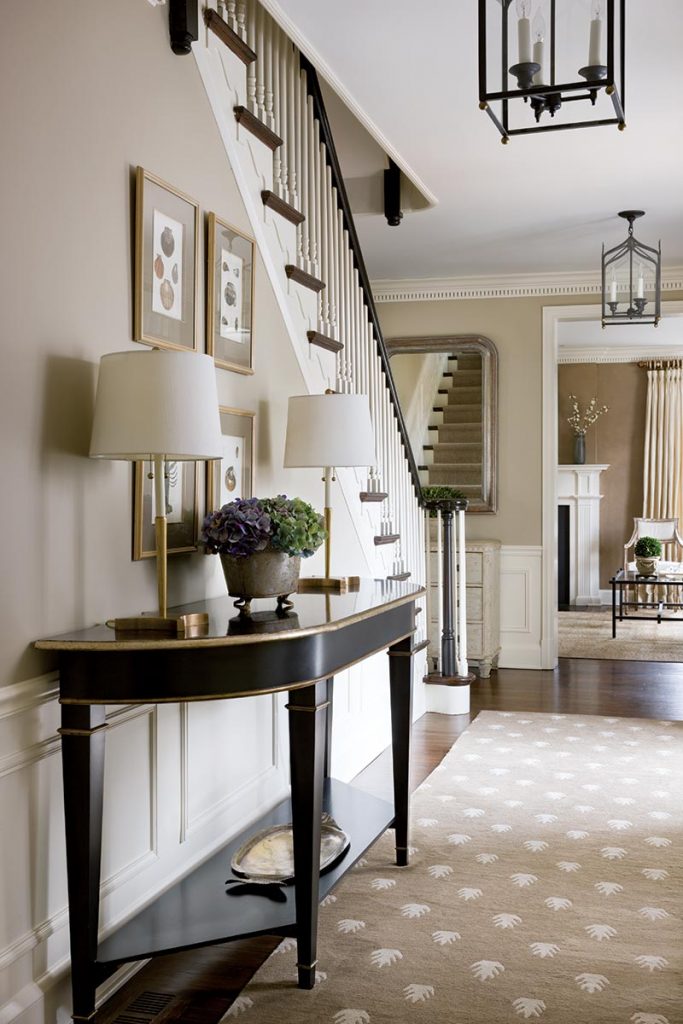


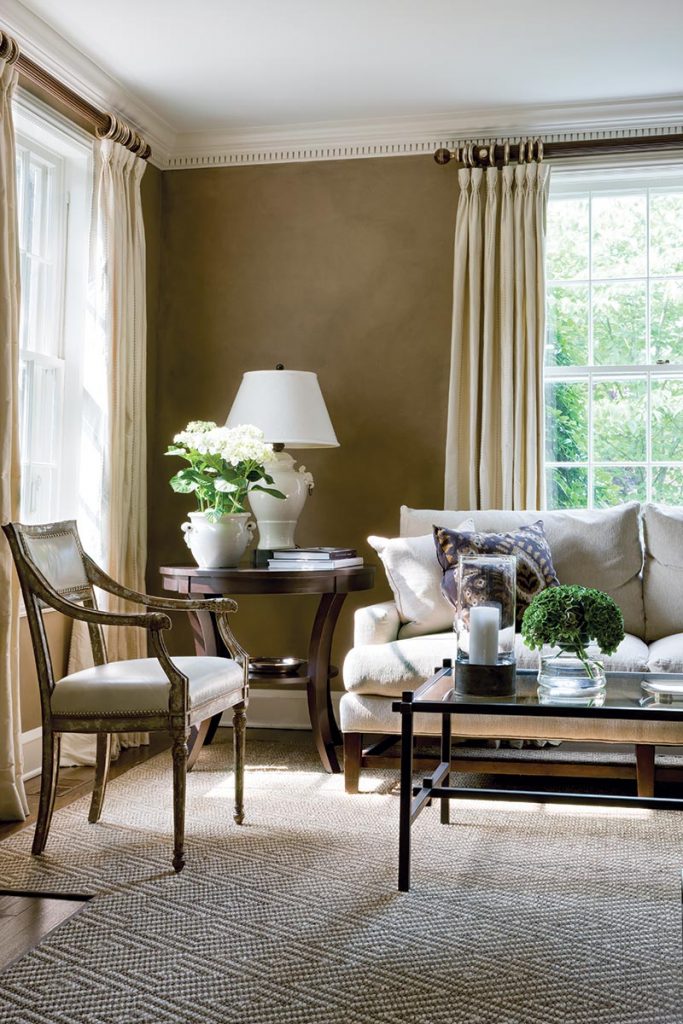





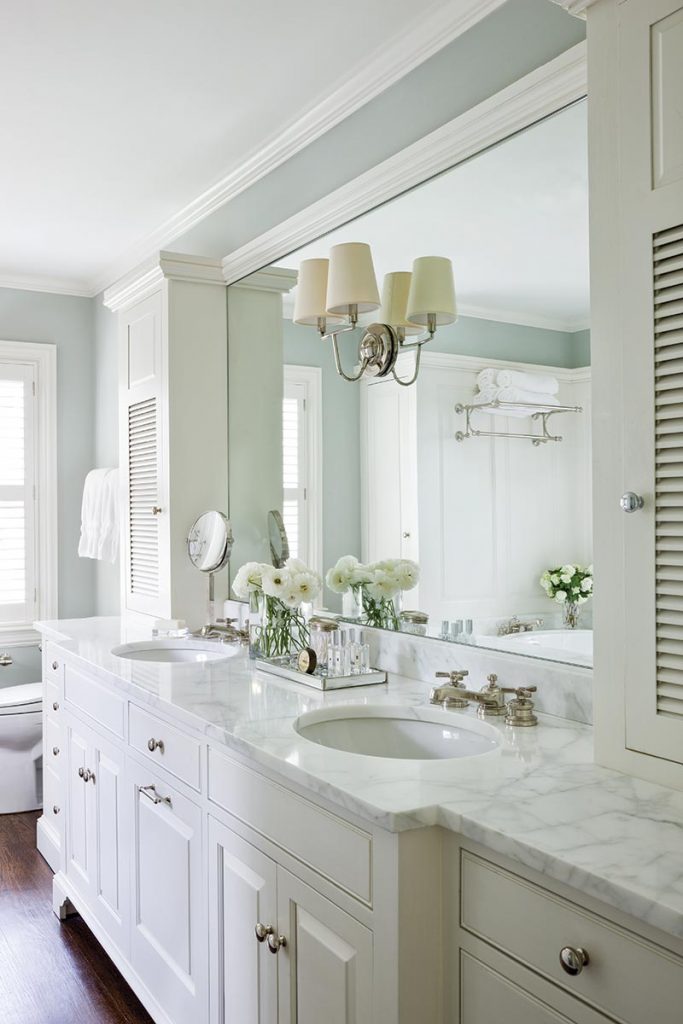
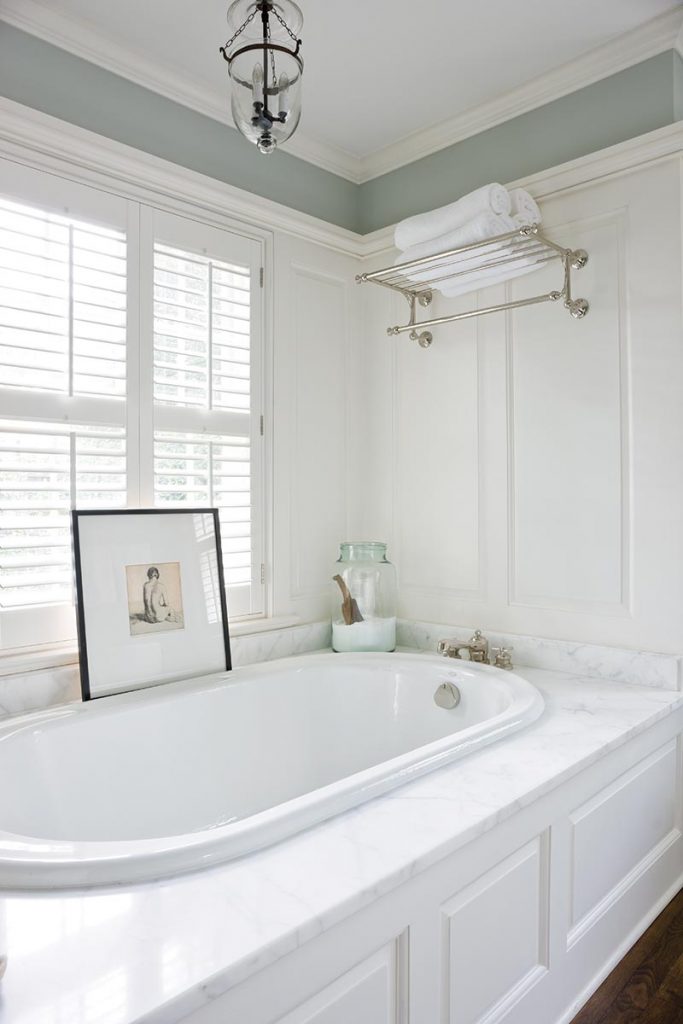
Kate Vogt knew she had found something special when she spotted the 1940s Colonial Revival house that her family now calls home. “It was a memorable moment for me,” says Vogt of Katherine Vogt Interiors, who creates inviting, unpretentious nests for her clients. Before she even stepped inside the three-story structure, the designer started envisioning endless possibilities for it.
The family was in need of more space, so Vogt’s discovery seemed ideal: a tall redbrick house situated on two lots in a residential area called Palisades, northwest of Washington, D.C. The neighborhood had the added appeal of being only minutes away from the buzz of Georgetown’s shops and restaurants.
Soon after the purchase, Vogt hired Washington architect David Jones of Jones & Boer Architects, Inc., whose work she had admired through clients and friends, to design the structural changes.
“My main request was that the house would be filled with natural light,” says Vogt. “I wanted David to do something creative in the back of the house to bring in the light.”
The request proved to be a challenge because that area had been badly altered numerous times and was located on a steep slope.
Undaunted, however, the architect and the designer-homeowner determined they would find an imaginative solution that would maintain the character of the house while also opening up the back side.
Jones’s plan extended the rear several feet both upstairs and down and punctuated the facade with an abundance of windows. “We corrected the bad additions and doubled the square footage of the house to include a new family room and a mudroom,” says the architect.
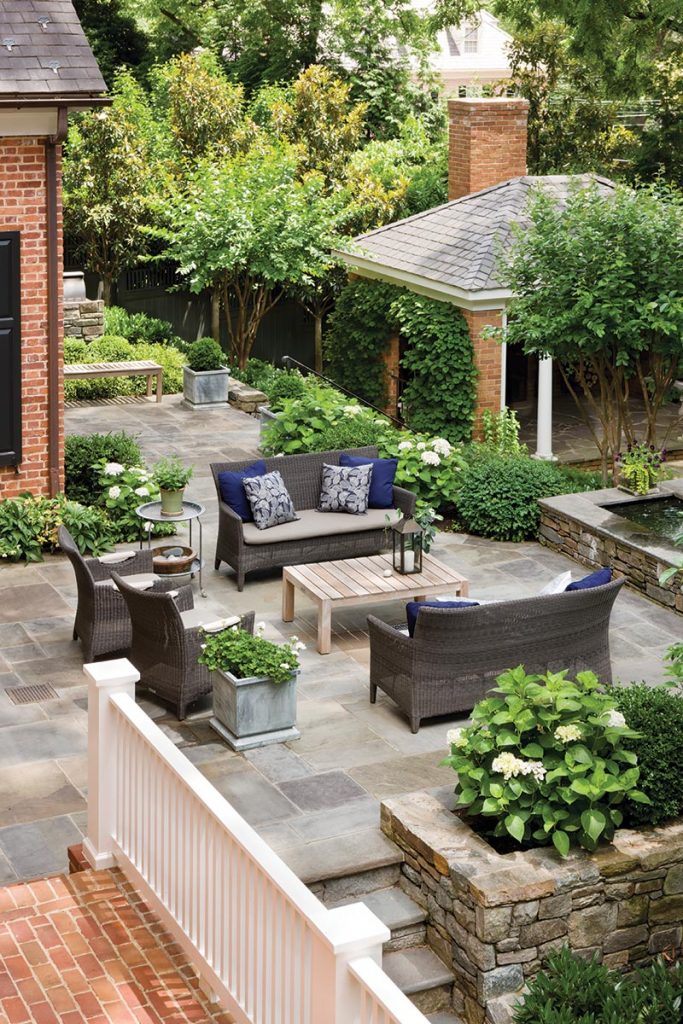
Because the Vogts love to entertain outside, the design team brought in Lila Fendrick of Lila Fendrick Landscape Architecture to extend the usability of the outdoor spaces. “We knew we had to make these areas just as dynamic as the Georgian-inflected style of the home,” says Fendrick, “so we designed a new curving walk-way and a brick driveway that effectively play off the solid geometry of the house. The result is a dramatic front area that is warm and welcoming.”
In the back, Fendrick tackled the challenging grade change and transformed the space to accommodate a terrace with a fountain, as well as a cooking area with outdoor grills. “The goal was to make the entire scheme look classic and integrated, as if it had always been there,” she says.
Inside, Vogt wanted individual rooms for specific purposes rather than one open space. “My husband and I like cozy areas where we read the paper, have a drink beside the fire, or watch television,” says the designer.
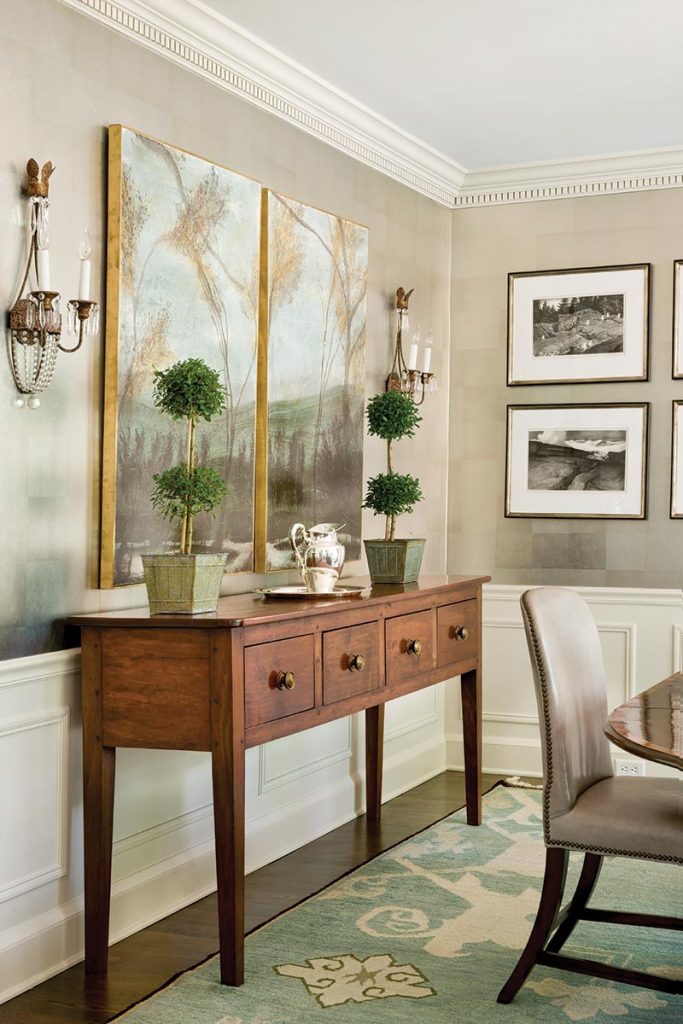
She infused the interiors with blues, whites, and pale grays that mix well with finishes of stone, iron, and wood. And she added a touch of bling in the dining room with a gold-leaf tea paper. “I like shiny stuff in small bits,” she says.
“My grandmother, who also was a decorator, always said you need to have something shiny in a room, even if it’s a mirror to throw the light around.”
Furnishings in the house offer a pleasing mixture of styles. Vogt says she has always loved traditional things combined with pieces that are more stripped down and natural. “I also like to include a few farm antiques and some industrial elements. And occasionally, I will add items with a Gustavian/Swedish influence.”
Overall, the 70-plus-year-old house offers a nod to modernity that does not attempt to tinker with its history. The renovations helped create a structure that has evolved with the family. “When the girls were little, we would have movie nights in the basement rec room with dinner served on TV trays,” says Vogt.
“Now we cook together as a family and enjoy dinner in the sunroom or kitchen nook. We also entertain friends a lot more these days, whether it’s a formal holiday open house, a casual backyard get-together, or a charity event. We love that while the home’s look remains timeless, its purpose changes as our lives change.”