By Robert Norris, Spritzmiller & Norris
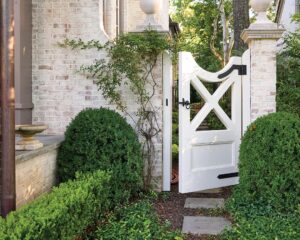
As both an architect and an avid gardener, I have long been captivated by the poetry of the garden gate. It is more than a practical necessity; it is an overture, an intentional threshold that shapes the experience beyond. Certainly, gates provide privacy, safety, and screening. A solid design can discreetly conceal utilitarian areas such as storage spaces or mechanical equipment. Yet their true value lies in their ability to create atmosphere. A thoughtfully designed gate frames an entry with grace, lending charm and architectural character to a home and garden.
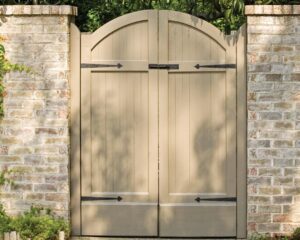
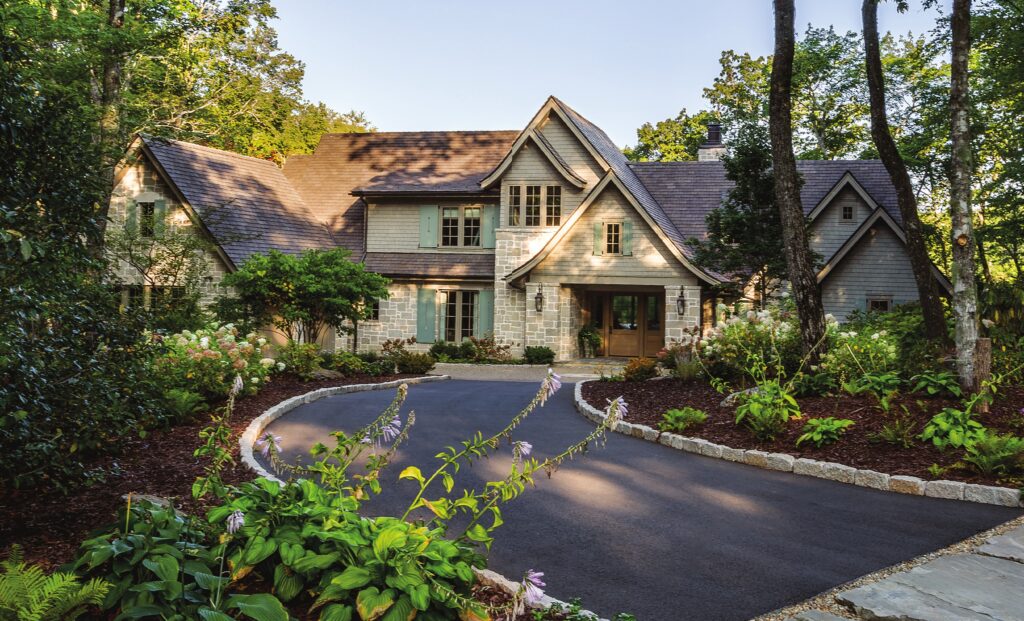
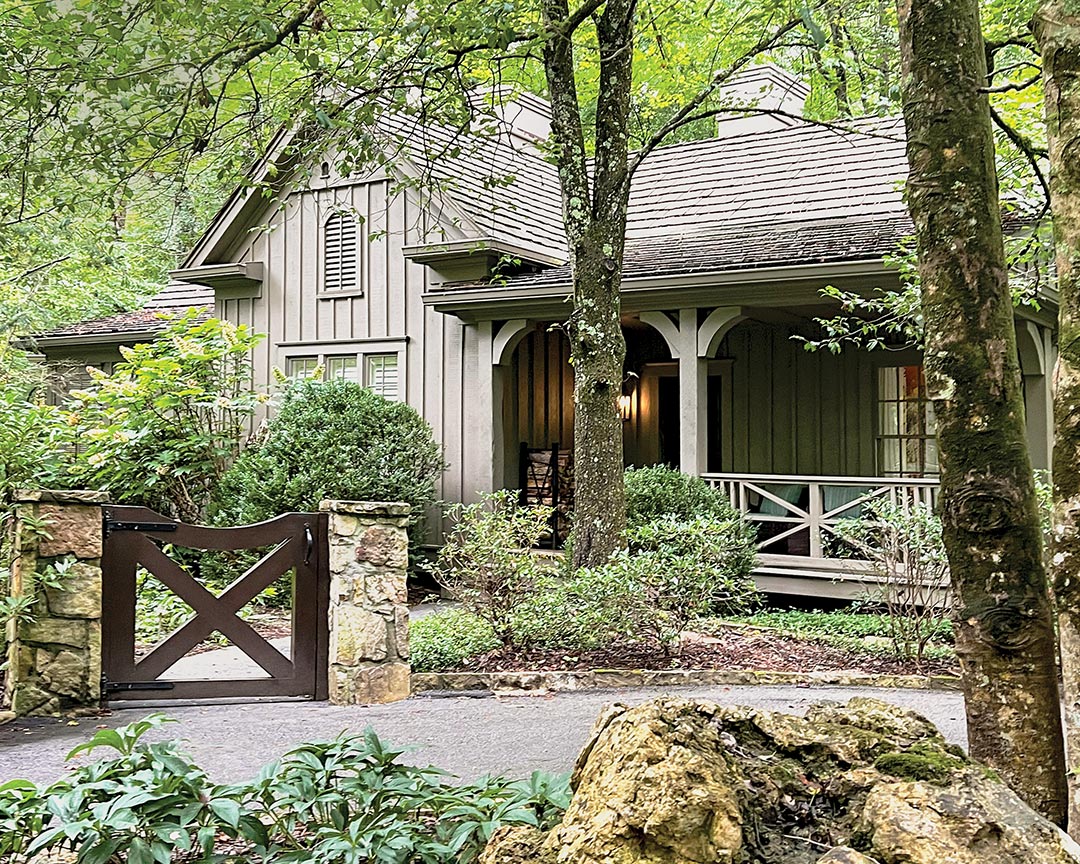
Material selection is guided by context. Warm wood offers softness and tradition; wrought iron allows for sculptural intricacy. In mountain and lake homes, we often favor hewn timber and rustic detailing that echo the surrounding landscape. For more formal residences, delicate fretwork or a tailored accent color can introduce a refined focal point, an element of surprise that enlivens the façade.
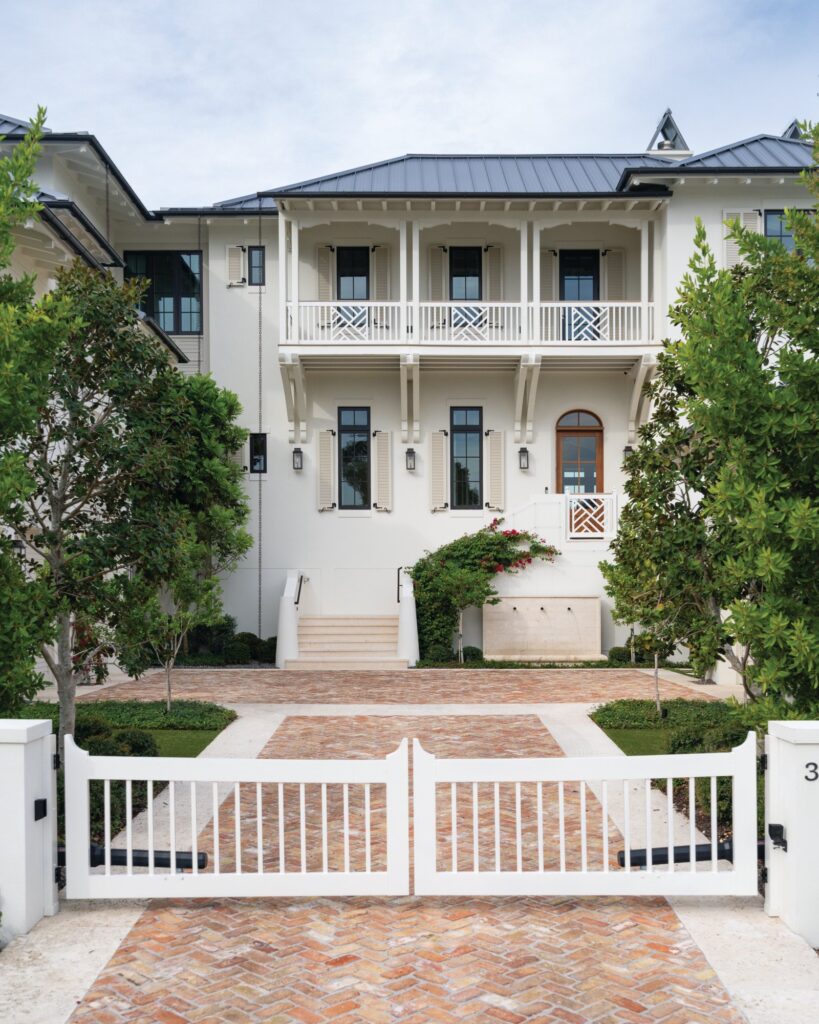
Some gates stand as statements, flanked by brick or stone piers that anchor them with permanence. Others rely on subtlety, softened by tailored boxwoods or layered plantings. Even driveway gates, designed for security, can feel elegant and composed rather than imposing.