Text: Lynn Terry
Southern Home (SH): Your work is often described as “warm minimalism.” How does that philosophy translate into homes that feel both luxurious and deeply livable for families?
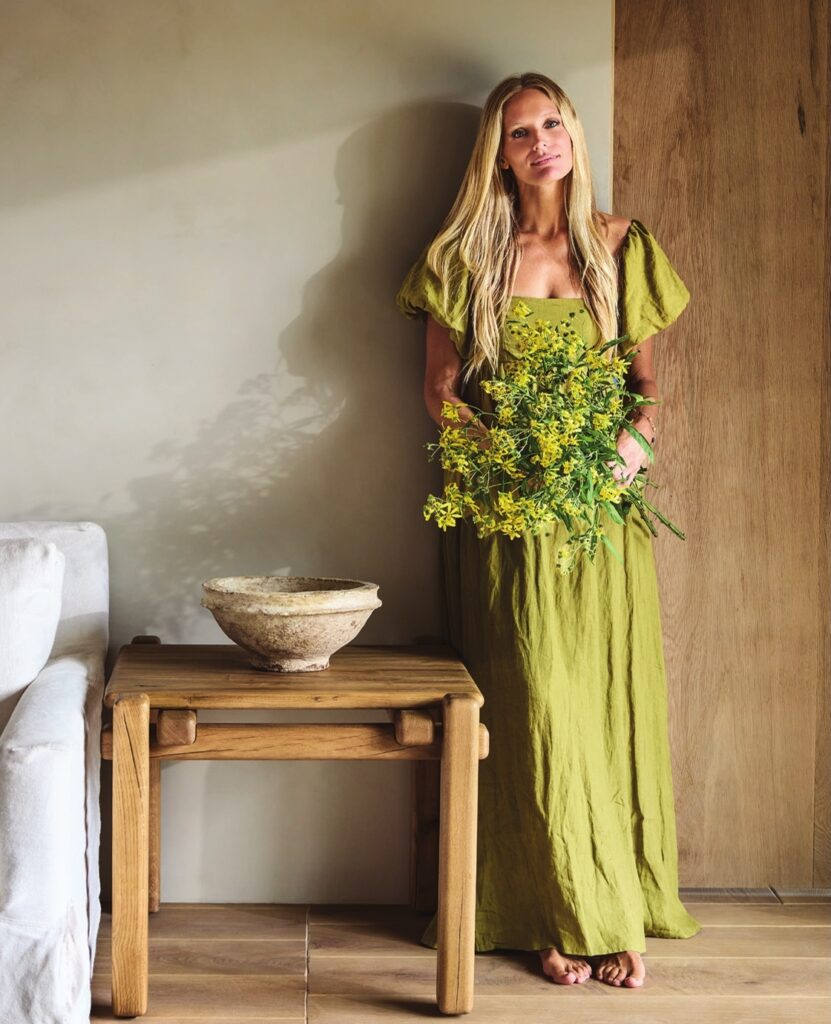
Lauren Liess (LL): At its core, my philosophy is about creating spaces that feel relaxed, natural, and grounded. I am drawn to natural materials, abundant light, and simple, functional layouts. These elements support both physical and emotional well-being. A home should help you exhale. It should offer clarity, calm, and a sense of ease that allows you to fully be yourself. To me, luxury is rooted in that feeling. It is about time, comfort, and the ability to move through your day effortlessly.
SH: Nature is a constant thread in your work. How do you translate the outdoors into refined interiors and create a seamless indoor-outdoor lifestyle?
(LL): It begins with materials such as wood, stone, and linen, and extends to how a space is oriented. I like to create focal points that draw the eye outward through thoughtfully placed windows and doors. Accessibility is just as important. When outdoor spaces are easy to reach and supported with thoughtful storage and transitions, they naturally become part of daily life. Inside, comfort is key. Soft upholstery and inviting furnishings ensure the connection to nature feels effortless rather than austere.
SH: How has raising a large family shaped your understanding of how homes should function day to day?
(LL): Living in a busy household has made me deeply practical. I love romance in design, but it has to coexist with real life. A home is not comfortable if you are constantly worried about damage or wear. I gravitate toward durable materials that can handle daily life and improve with age. I have also learned that we need more storage than we think. Designing for real habits rather than ideal ones creates spaces that feel supportive instead of stressful.
SH: You are known for flipping homes with a distinct point of view. What draws you to that process, and how does designing for resale differ from designing for a client or for yourself?
(LL): I love imagining an entire lifestyle for someone I have not met yet and creating a home that feels complete and ready to be lived in. There is something especially satisfying about turnkey spaces, particularly vacation homes where every detail is considered. When resale is the goal, budget becomes the primary driver, so you are making thoughtful choices but not always indulging in your first preference. Designing for clients or for my own family allows for a deeper investment, both financially and creatively. In my own homes, the work becomes an extension of my studio and a way to fully express ideas that resonate with like-minded clients.
SH: When renovating a home, what decision sets the tone for everything else?
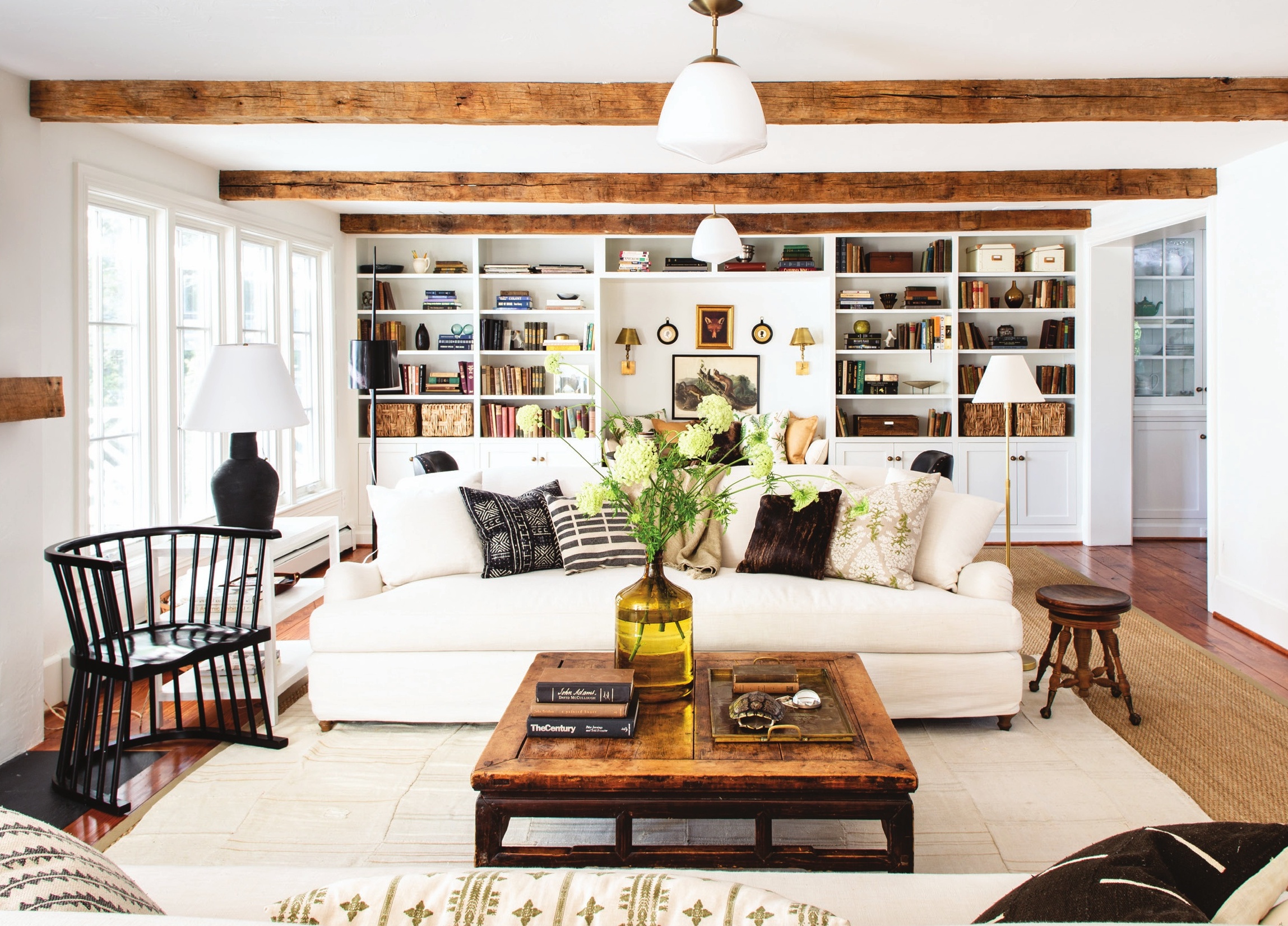
(LL): The floor plan. I always begin by simplifying and reworking the layout to suit modern life. From there, I focus on strengthening the connection between indoors and out, often by expanding windows and doors to bring in more natural light.
SH: Your spaces feel layered yet restrained. How do you create visual interest while maintaining cohesion, particularly in open-concept homes?
(LL): I value breathing room. Surfaces should be functional first, with space for daily life. I tend to reserve more expressive styling for moments where it makes sense, such as a console or a dining table. In open-concept spaces, cohesion comes from carrying materials and color throughout, while furniture and rugs help define distinct zones. Bringing in elements from nature, such as branches or greenery, adds life without creating clutter.
SH: Your current home blends a modern sensibility with a touch of fantasy. What was the vision behind it?
(LL): The house has clean 1970s bones, which I wanted to honor. At the same time, I have always been drawn to a sense of wonder, including fairy tales, hidden spaces, and unexpected details. This was my chance to explore that fully. We incorporated elements such as stone walls, secret rooms, and garden pathways while keeping the overall architecture simple and grounded. It is a balance between imagination and restraint.
SH: What materials are you gravitating toward right now for high-traffic family homes?
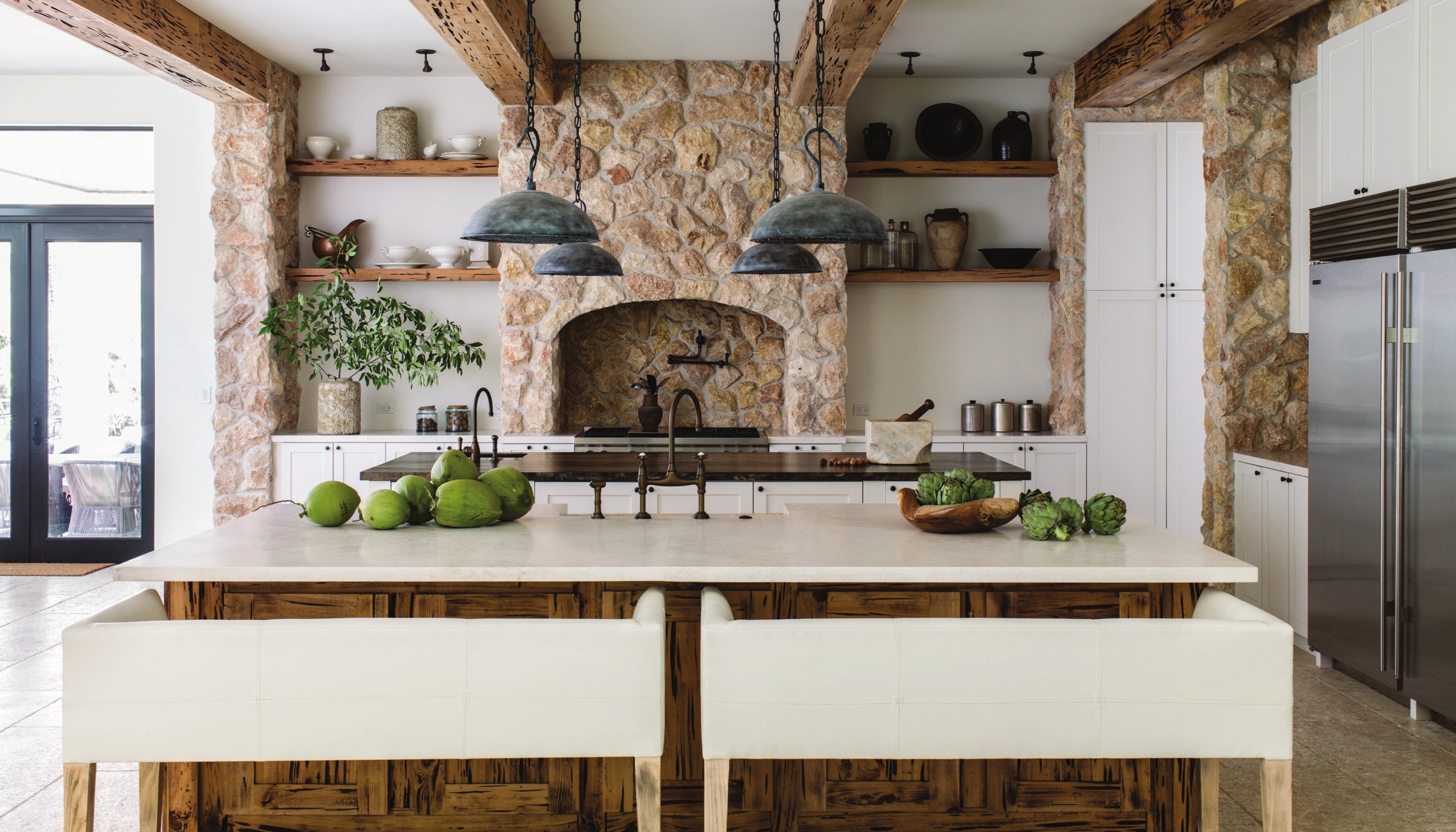
(LL): Stone, raw woods, clay, and natural textiles such as cotton, linen, and wool, along with a thoughtful mix of metals. I am always drawn to materials that are honest, durable, and that age beautifully.
SH: How do you use color and restraint to create spaces that feel calm yet impactful?
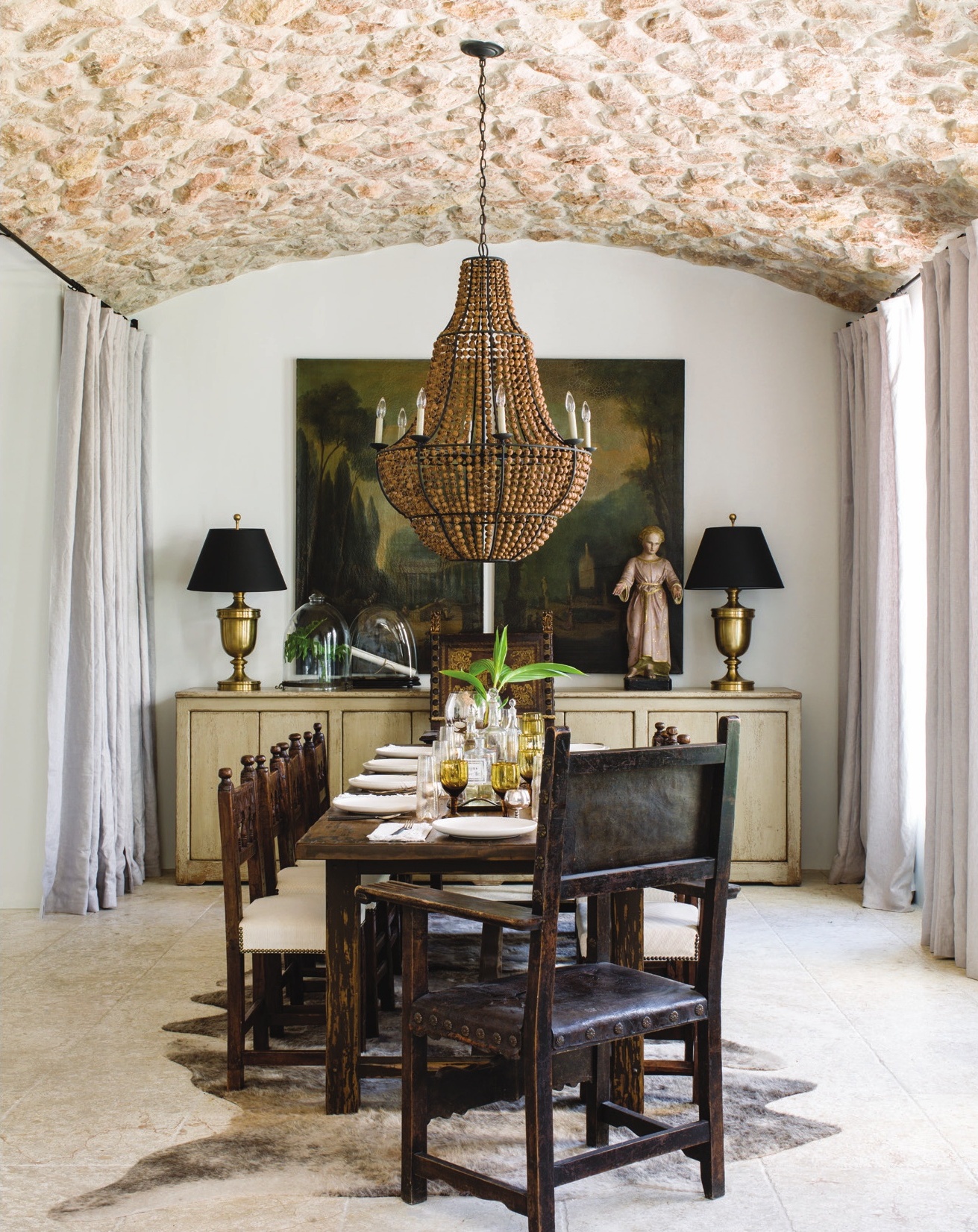
(LL): I take cues from the home itself, including its architecture, its setting, and the people who live there. I am naturally drawn to quieter palettes that allow the landscape outside to become the focal point. A restrained approach, with low contrast and fewer, larger pieces of furniture, creates a sense of openness and reduces visual noise. The seasons provide all the variation you need.
SH: What defines luxury in a home today?
(LL): Time. A well-designed home makes everyday tasks easier, which ultimately gives you more time with the people you love. That, to me, is the greatest luxury.
SH: You often incorporate vintage and found pieces. What role do they play in your interiors?
(LL): They bring soul. No room feels complete without something with history. Pieces that carry patina, character, and a sense of story ground a space in a way that new items alone cannot.
SH: What is a common mistake you see homeowners make when renovating, and how do you ensure a home feels timeless rather than trend-driven?
(LL): Overcomplicating things in pursuit of trends is a common mistake. I often see homes that would feel more timeless and even more valuable if they embraced simpler, more cohesive architecture instead of mixing too many styles. Ensuring a home feels timeless comes down to respecting its architecture and surroundings. Every decision should feel in conversation with what already exists.
SH: Lighting plays a major role in your work. How do you use it to shape mood?
(LL): I use lighting to highlight architecture and create warmth. I rely on spotlighting for details and sconces for intimacy, and I am especially drawn to candlelight. In our home, we often dine by candlelight, which naturally slows the pace of life.
SH: Do you approach second homes differently from primary residences?
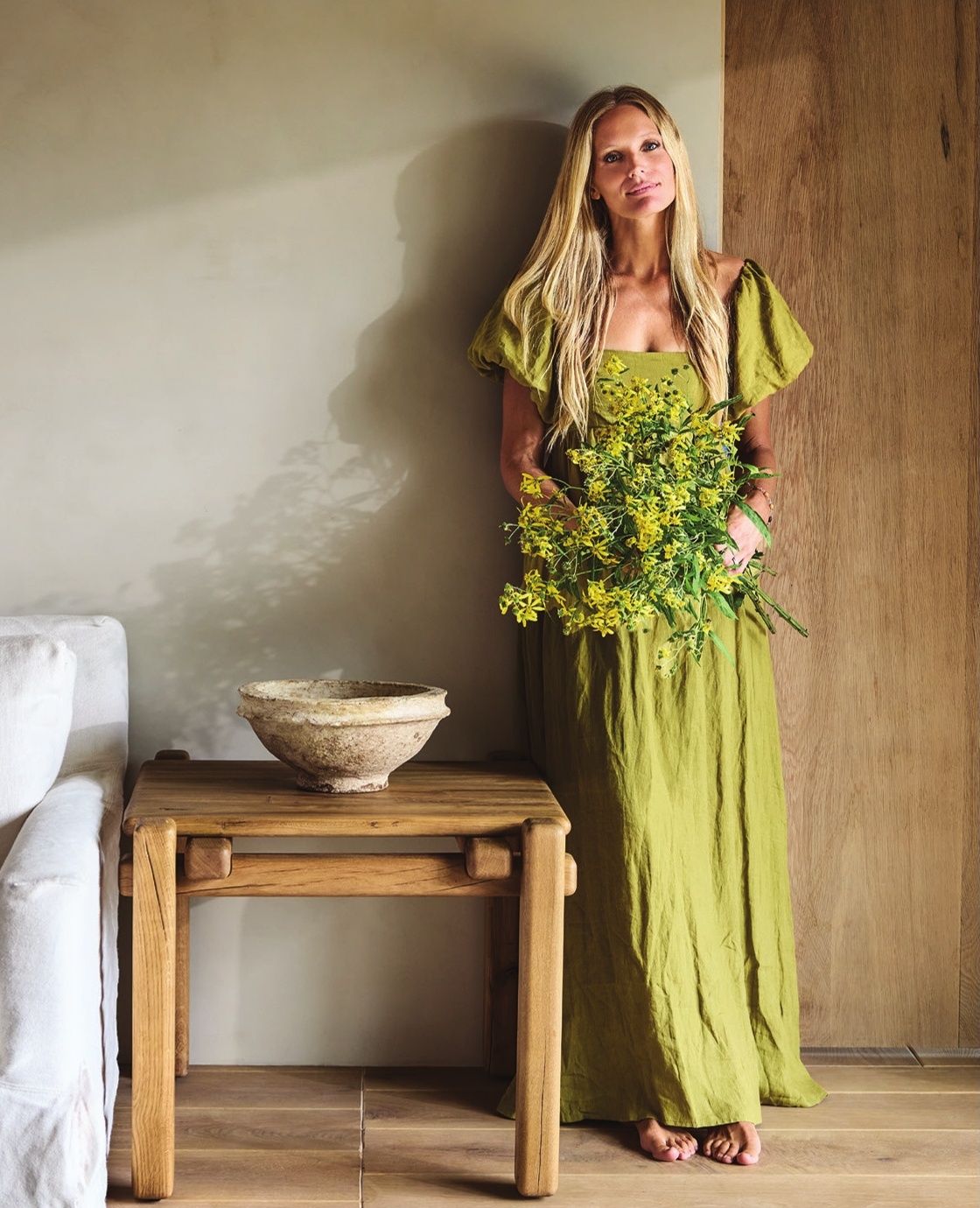
(LL): The approach is largely the same, though clients tend to take more risks in second homes. That sense of freedom often leads to some of the most exciting projects. We have clients doing things such as installing a loft net above a pantry for their children to play on. This is something they likely would not have done in a primary residence, but it works beautifully in a more relaxed setting.
SH: You’ve translated your aesthetic into collections with Woodbridge Furniture, Taylor King, and Troy Lighting. How do these collaborations extend your philosophy?
(LL): By combining organic materials, layered textures, and understated elegance, these collections help people create spaces that feel warm, personal, and beautifully functional. I am especially excited about a dining chair I have coming out soon with Woodbridge, inspired by a vintage Brutalist design.
SH: How do you stay inspired while balancing work and family life?
(LL): Inspiration comes from imagining possibilities and considering what a space or a piece of land could become. Spending time outdoors, whether in the garden or with our animals, brings a sense of calm that fuels creativity.
SH: What has been one of your most rewarding transformations?
(LL): My own home. It allowed me to bring together ideas I had been developing for years and to live within them every day.
SH: What is next for you?
(LL): I am currently working on my fifth book, focused on creating natural homes that support health and well-being. Alongside ongoing client work, we are exploring new projects, including a potential beach build, and continuing to share our life and process through our series, The Meadow. I am also considering the idea of opening a restaurant, though that is still evolving.
Favorite Things
Morning ritual: After our kids head out for school, I like to get out in the garden with our pair of geese and flock of chickens.
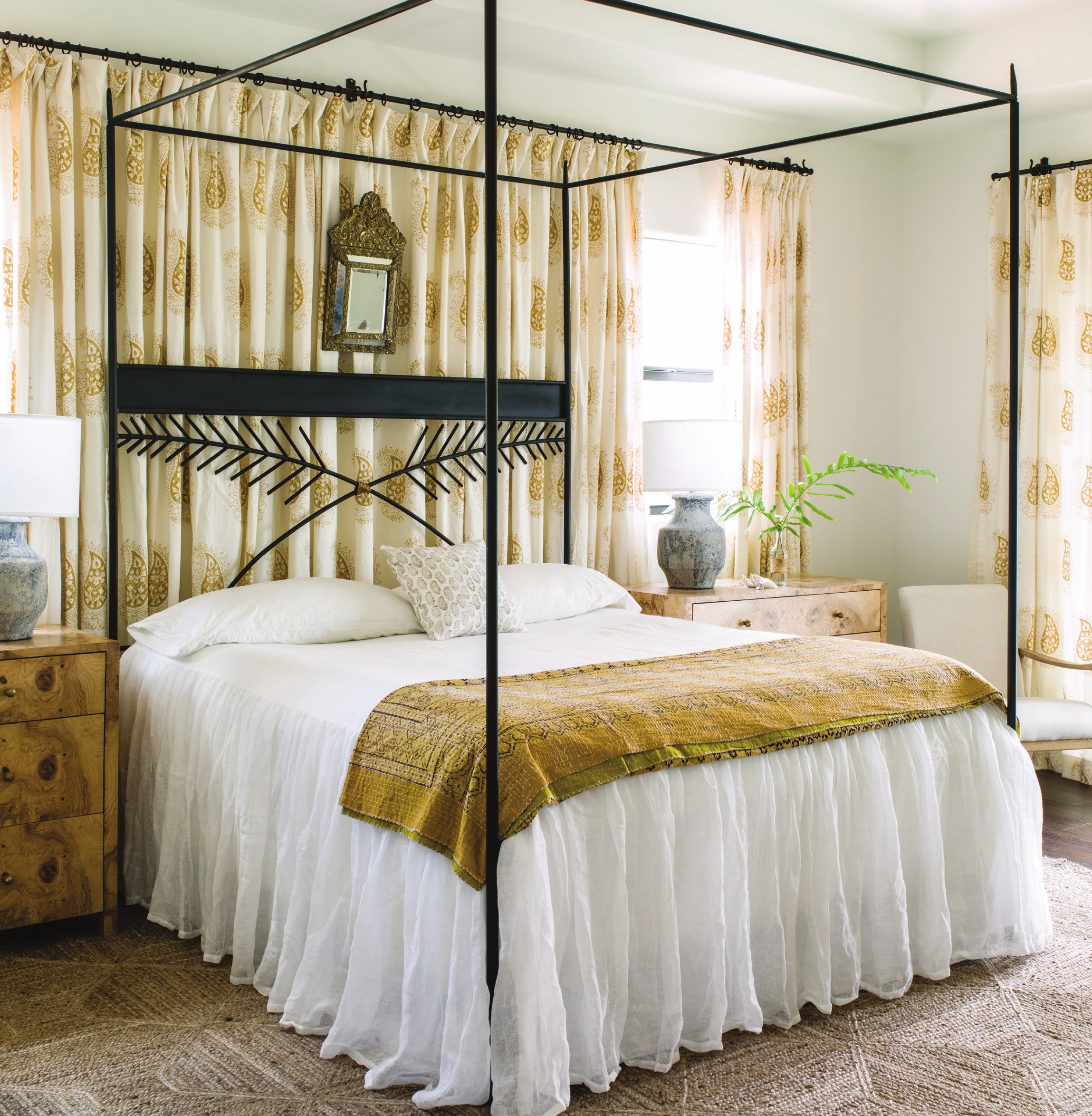
Materials you return to again: White oak, linen, jute, wool, velvet, brass
Go-to color palette: raw wood, flax, ivory with some living green
Signature styling touch: a massive vase of branches
Vintage find you can’t resist: chairs
Every Southern home should have: meaningfully collected pieces