 By Leigh and Kevin Misso, River Brook Design & Construction
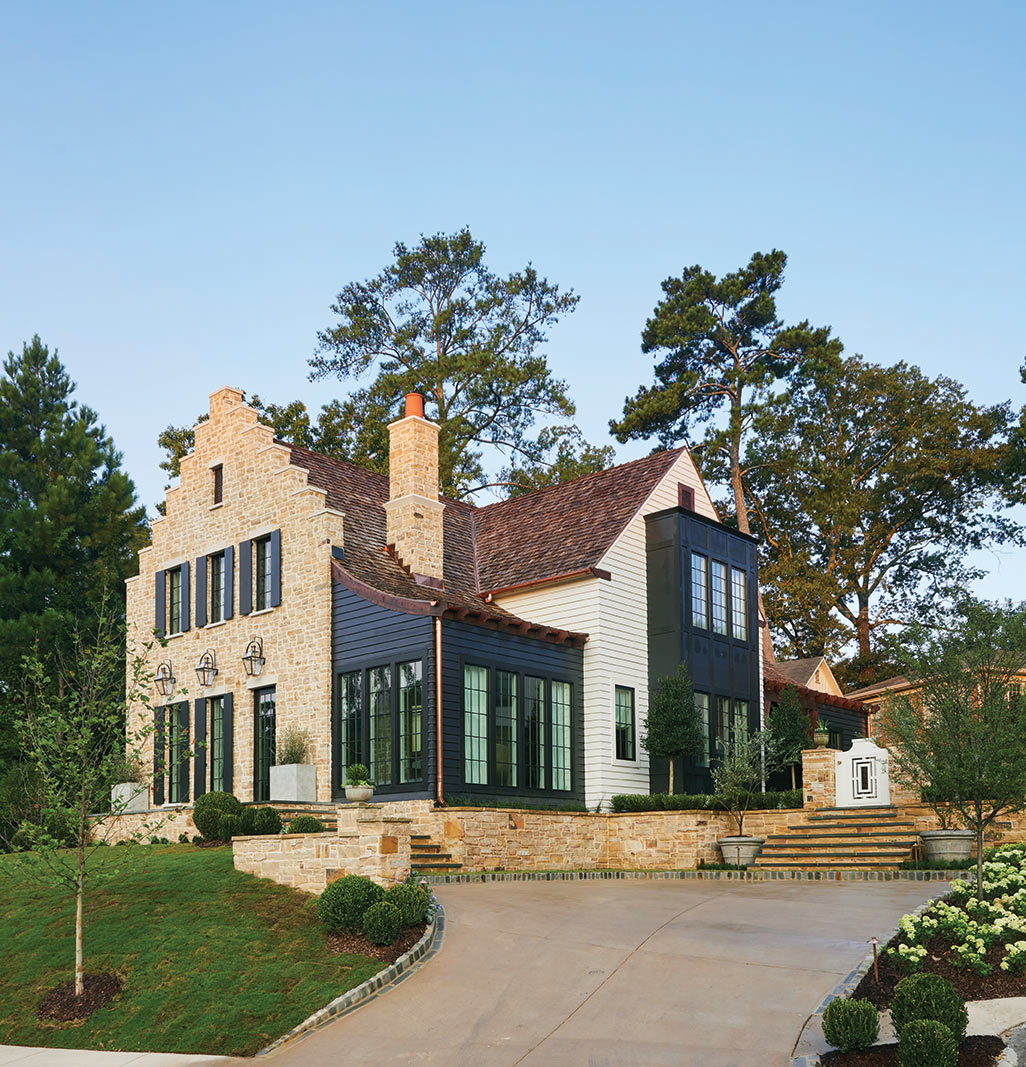
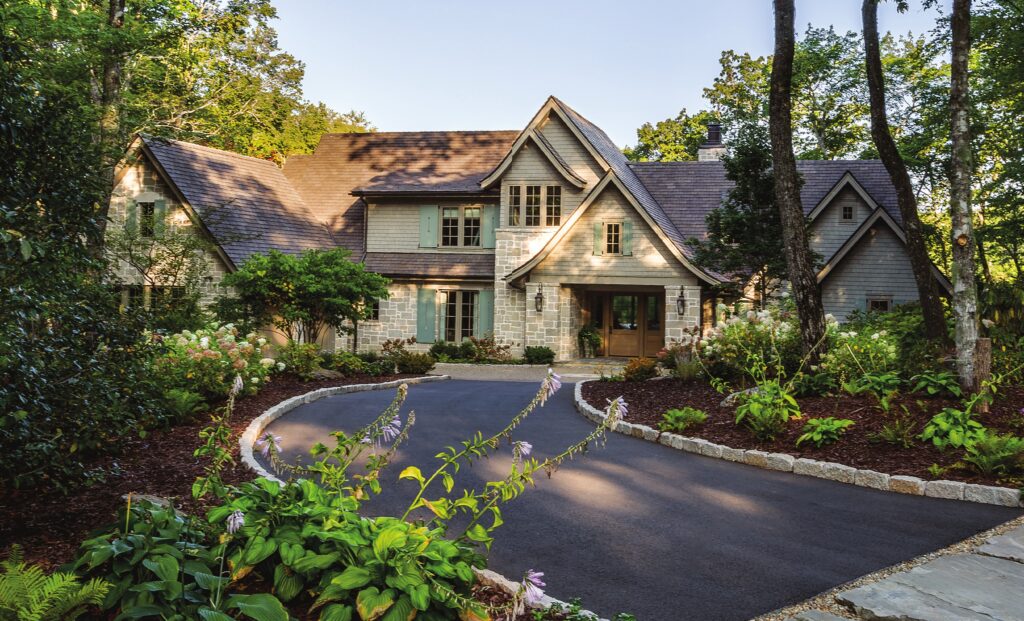
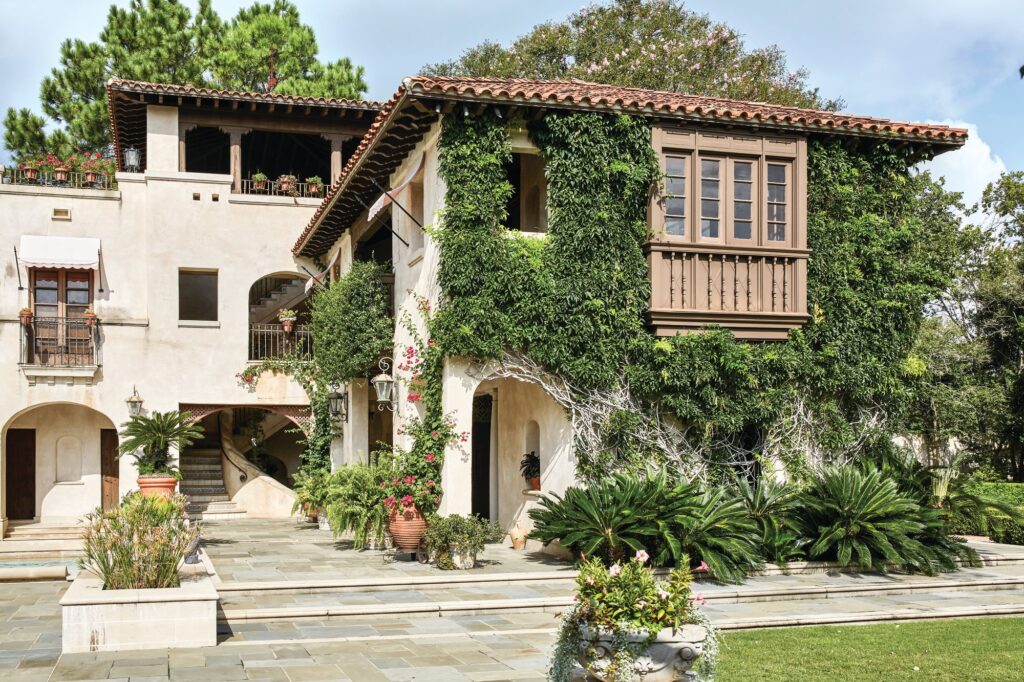
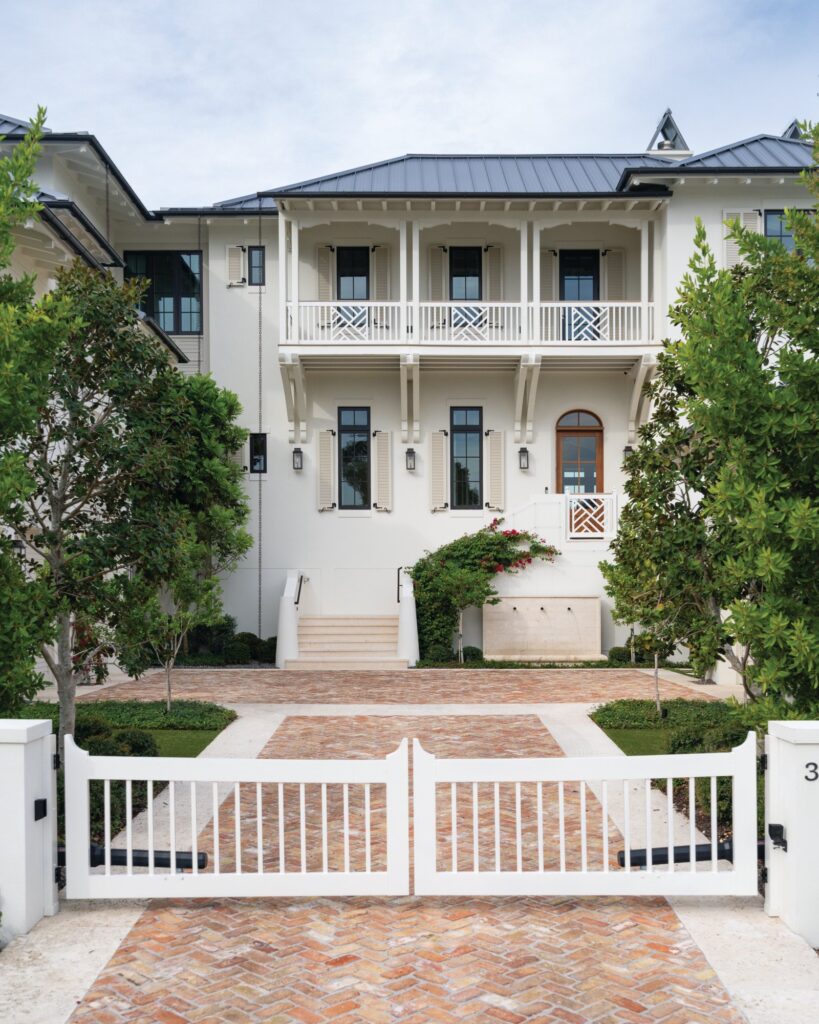
Curb appeal and thoughtful renovation go hand in hand, especially in the South, where homes carry deep meaning and hospitality begins long before someone steps inside. The exterior of a home sets the tone for the entire experience. True curb appeal is not about decoration. It is about proportion, balance, and the way architectural details work together to create a sense of welcome. Materials matter, but the structure and scale come first. When the rooflines, window placement, porch elements, and overall massing feel harmonious, the home instantly reads as timeless. From there, natural materials, layered landscaping, and warm lighting enhance the architecture and bring the home to life.
From an architectural perspective, the strength of a home’s exterior begins with its bones, where a beautiful facade grows out of thoughtful planning rather than surface decisions. Every element should carry purpose, with texture, finishes, and color working together to reinforce the architecture and tell a cohesive story. Scale becomes the guiding principle, allowing front doors, lanterns, shutters, and trim to feel naturally in proportion to the home’s size and style so the exterior reads as authentic. When scale drifts, the facade loses its sense of credibility, but when it is right, the entire home feels grounded, intentional, and genuinely welcoming.
 For homeowners considering a renovation, the most important first step is clarity. Understanding why you are renovating guides every decision that follows. It is also essential to consider how the new work will integrate with what already exists. A successful renovation respects the home’s original character while improving its functionality and flow. Timeless choices in materials and layout ensure the home ages with grace rather than follows short-lived trends.
Lastly, choosing an in-house design build team brings every part of the renovation under one roof, which creates a level of clarity and coordination that homeowners immediately feel. When the architect, designer, and builder work as a unified team, decisions are faster, communication is cleaner, and the project unfolds with fewer surprises. The people designing the home are in daily communication with the people responsible for building it, so ideas translate seamlessly into the field and details do not get lost along the way. Homeowners do not have to play middleman between multiple firms or worry about misalignment in style, budget, or expectations.
Instead, they experience a single, streamlined process, where every choice is guided by a team that shares the same vision, the same standards, and the same commitment to the outcome. The result is a renovation that feels more thoughtful and more cohesive, with a home that functions beautifully and reflects the way a family truly lives, all delivered through a process that is far smoother and far less stressful than managing separate teams.
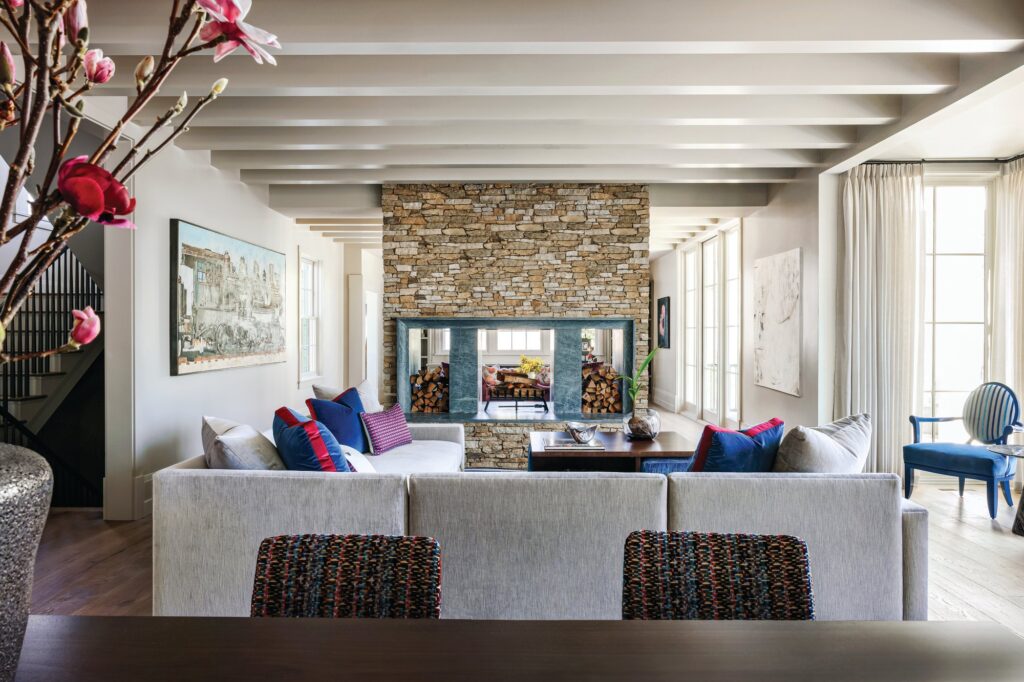
Curb appeal should not be an afterthought. The exterior should speak the same language as the interior, carrying the same level of craft, proportion, and warmth. The home should communicate balance, scale, and quiet confidence.