
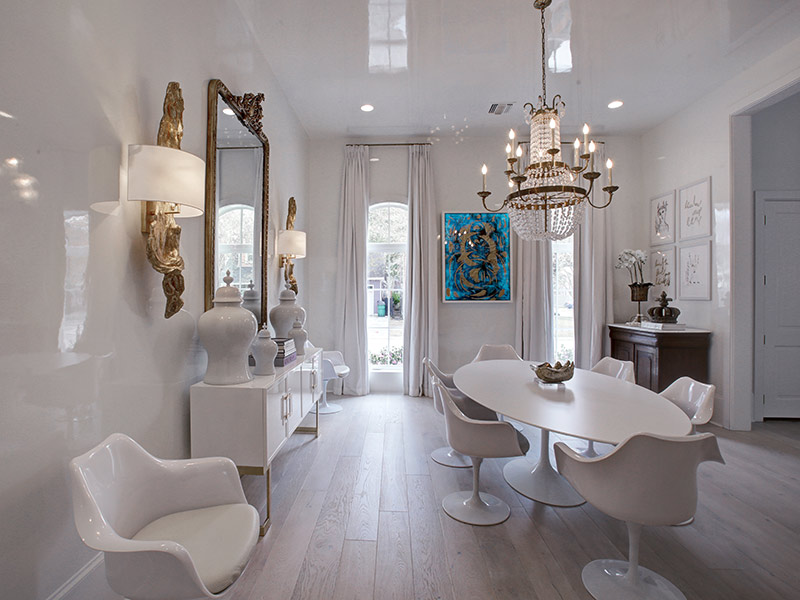
Jason Bertoniere of Jason Bertoniere, Inc. has been in the painting business since 1998. Fine Paints of Europe recently named him one of their 13 Master Certified Painters in the country.
For homeowners, this is an excellent, informative way to know that a master certified contractor is a well-established company with many, many years of experience. It also informs clients that they are dealing with reputable and accountable painters, since one must prove one’s worthiness before even being nominated. In other words, it means that you, your family, and your project are in good hands.
We had the privilege of picking Jason’s brain and learning as many of his professional dos and don’ts as possible! So, before you take on your next painting project, make sure to check out these five painting rules from the professional himself. You might be surprised how many you have overlooked!
1. All paints are not the same
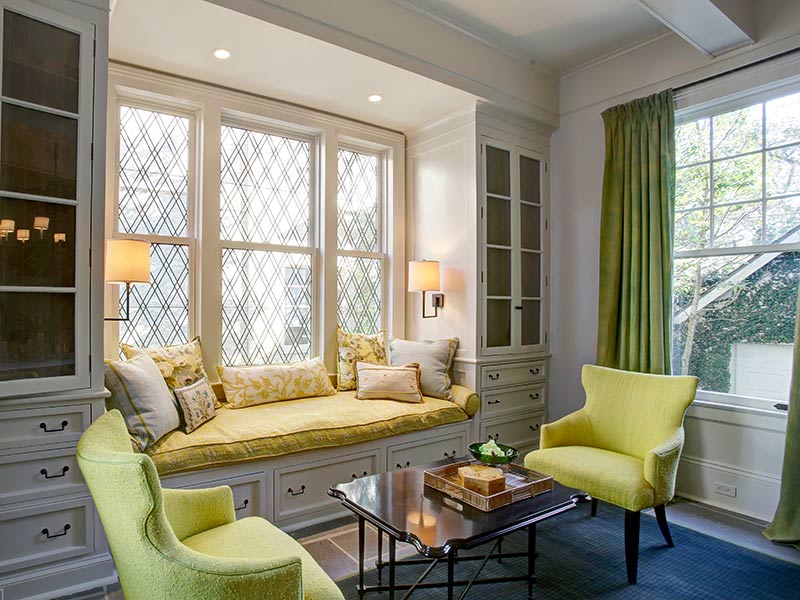
“Fundamentally, the amount of volume solids (costly material in the can: resin and pigments) determines the quality of the paint. High-quality paint has substantially higher amounts of solids and fewer fillers in a can. The phrase “you get what you pay for” certainly applies to paint. Generally speaking, more expensive paints have more and better resins (glue) and pigments (colorants), which are the key ingredients to great paint, thus translating into increased quality, durability, and color retention.”
2. The success is in the prep work
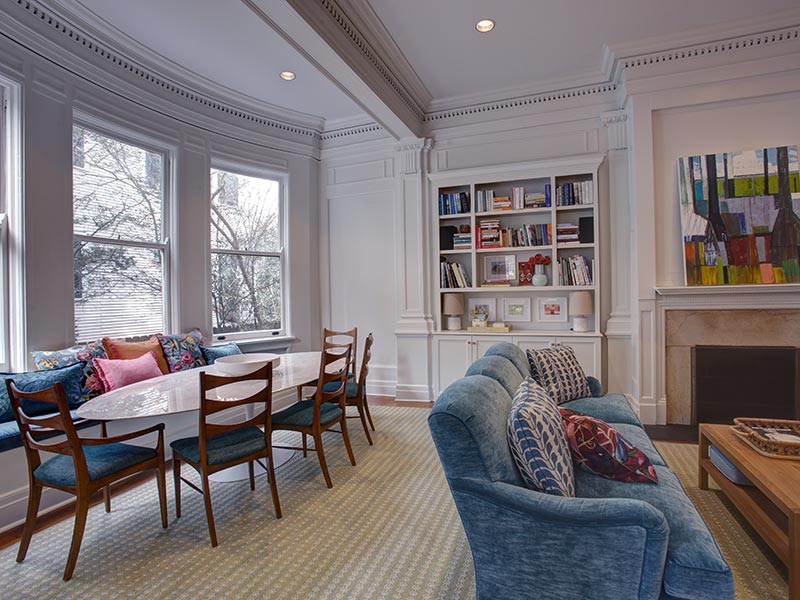
“Oddly enough, painters spend only 20% of the time actually painting. The other 80% is spent preparing the surfaces to be painted. And what constitutes a great paint job has everything to do with the prep work. If you have great, detailed prep work, you will have a great paint job.
Preparing wood and walls for paint is a step-by-step process and is the secret ingredient to a great paint job. Two elements must be considered when preparing surfaces for paint: adhesion and appearance. To ensure paint adhesion, the surfaces must be clean, dull, and dry. For appearance purposes you must fill any damaged or dented areas. This process might have to be repeated several times before applying the finish paint.”

3. Sheen affects color, durability, and reflectivity
“Let’s start with color. Depending upon what sheen you choose, your color will look slightly different to the naked eye. For this reason, always be sure to ask your local painting contractor for color samples to be made of the actual sheen you are considering using—if possible.
In choosing a sheen, durability is probably the biggest determining factor to most homeowners ready to paint their house. High-sheen paints—like semi-gloss, gloss, or high-gloss paint—are much more durable and easier to clean than low-sheen paints, like flat, eggshell, and satin paint. Aside from durability and ease of maintenance, and depending on the design concept, higher sheen finishes can account for a more luxurious look as well. One downside to higher sheen paints is that they are a lot less forgiving if you have to touch up or fix dents and chips.
The last aspect to consider is the levels of light reflectivity each sheen will provide. As a rule of thumb, the higher the paint sheen the more light that will be reflected and the more you will see surface imperfections.”
4. If using high-gloss paint, the secret to success is…
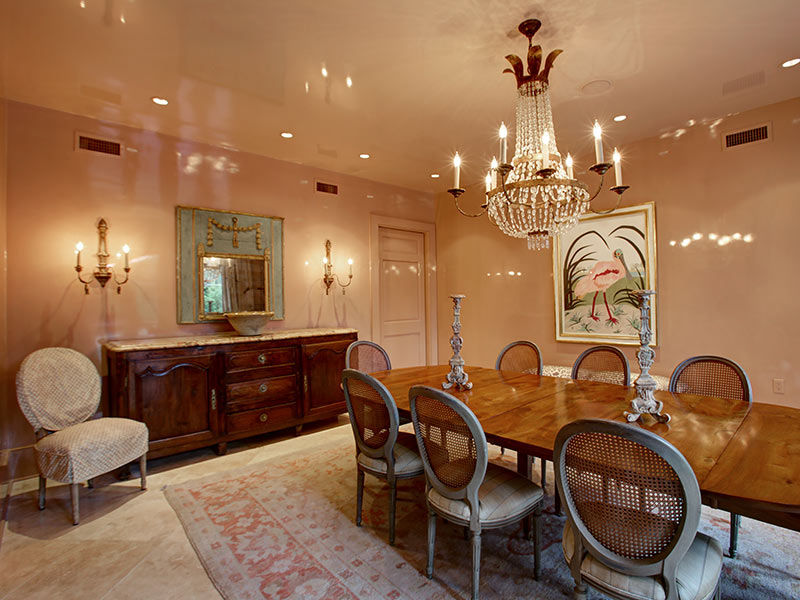
“As noted previously, painting is a very step-by-step process. And very much as on restoration projects, the only way to achieve a stunning, gorgeous high-gloss/lacquered room is by focusing on preparing all the surfaces perfectly several times over.”
5. Trim: mix or match?
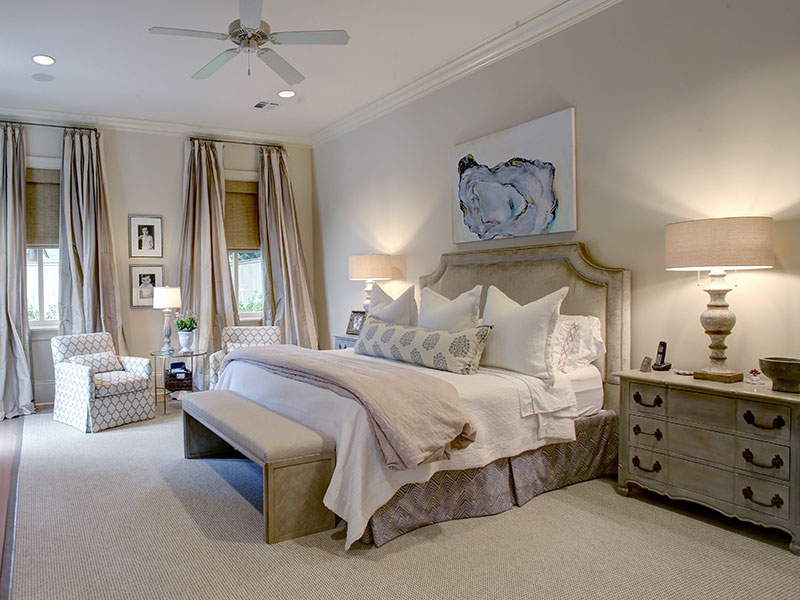
“The monochromatic paint schemes have always been a very sought-after look in New Orleans, mainly because of its timeless feel—definitely a personal favorite. However, even though you might be painting your walls, ceiling, and trim with the same color per se, it does not actually look like one color everywhere because of the different sheens applied to each surface (i.e., eggshell on walls, satin on trim, and flat on the ceiling), which affects the way a color looks to the naked eye.
If one color seems a bit much, an alternative way to achieve this look is by playing the color strengths. For example, you can use a color, say, Benjamin Moore OC-17 White Dove at 100% strength for the walls and trim, and choose the same color but at 50% strength, which is a lighter version of the same color. This is a beautiful variation of the monochromatic color scheme. And it especially looks amazing when you want to showcase artwork or collectible items.”

BONUS: Jason’s Favorite Paints
“We have several favorite paints: For domestic paints, our go-to products are Benjamin Moore Satin Impervo, Regal Select, and Aura.
For imported paints, my all-time favorites are Fine Paints of Europe paints. We love Hollandlac Brilliant (better known as the shiny paint). But Fine Paints of Europe (FPE) is more than just the shiny finishes for which they are known. FPE Eurolux is an incredible, high-quality water-base wall and ceiling paint. Another favorite is FPE ECO, which offers extraordinary and unmatched durability, quality, and color retention.
Because the application of these coatings require painters with high levels of expertise and substantial experience, Fine Paints of Europe created the Master Certified Painters and Certified Painters Program as a way for people to know who are the best applicators in their local areas. We recently had the honor of becoming 1 of 13 in the country Master Certified Painter by Fine Paints of Europe.