
Text Derek Hopkins, Harrison Design
Photography courtesy of Harrison Design
From the Pantheon to the stair hall, the circular oculus window has shaped light for centuries. Derek Hopkins of Harrison Design explains how architects use these “architectural eyes” to bring designed light, softness, and focus to the home.
Few architectural elements possess the subtle power of the oculus. Derived from the Latin word for “eye,” these circular openings are more than mere penetrations in architecture—they are intentional moments of light and visual focus that have shaped architecture for centuries. From the celebrated opening of the Pantheon in Rome to the circular windows of Georgian and classical architecture, these curved apertures have consistently been used to introduce light while creating a distinctive architectural punctuation. Its simple geometry can bring an unexpected softness to otherwise rectilinear compositions, offering a moment of contrast that excites the eye and elevates a home’s facade.

Making Light Feel Designed
Perhaps the most compelling attribute of an oculus is its ability to make light feel designed. In contrast with most conventional windows, which are often used to frame a view, they are primarily used as an artistic gesture to introduce light into a space. As the sun moves and the light quality changes throughout the day, the character of the interior space changes as well, transforming the opening into a living element of the architecture.
Oculus Windows in Residential Design
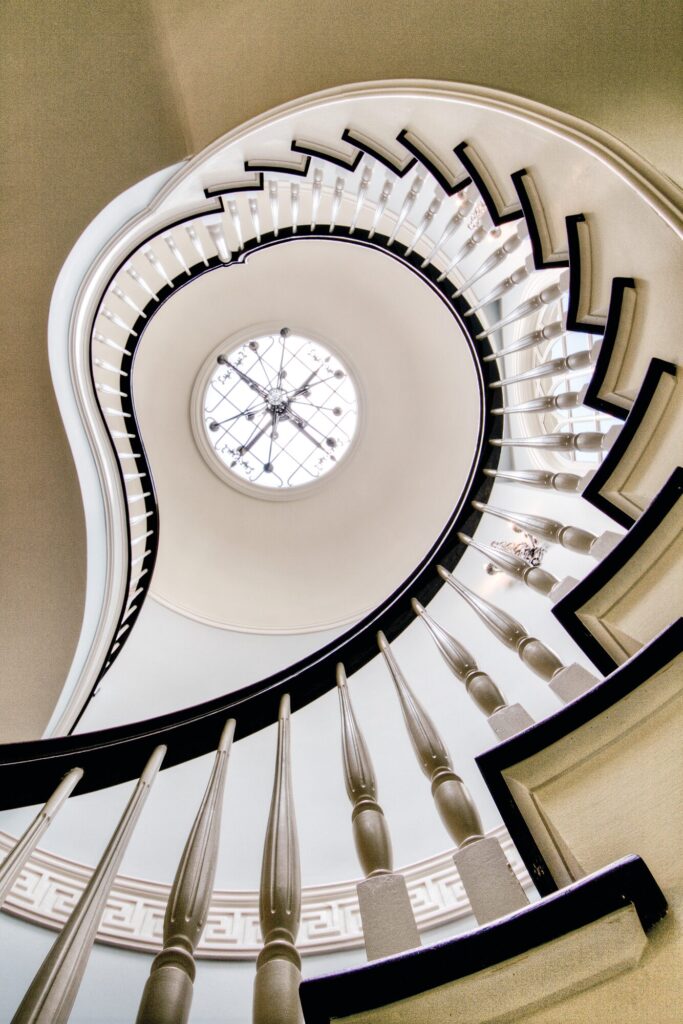
In residential design, these “architectural eyes”—as they are referred to by some—can be particularly effective when used with purposeful intent. A circular window above a doorway, positioned in the ceiling of a stair hall, or placed high on an exterior wall to enhance an architectural style can exude a sense of permanence without feeling overly ornamental.
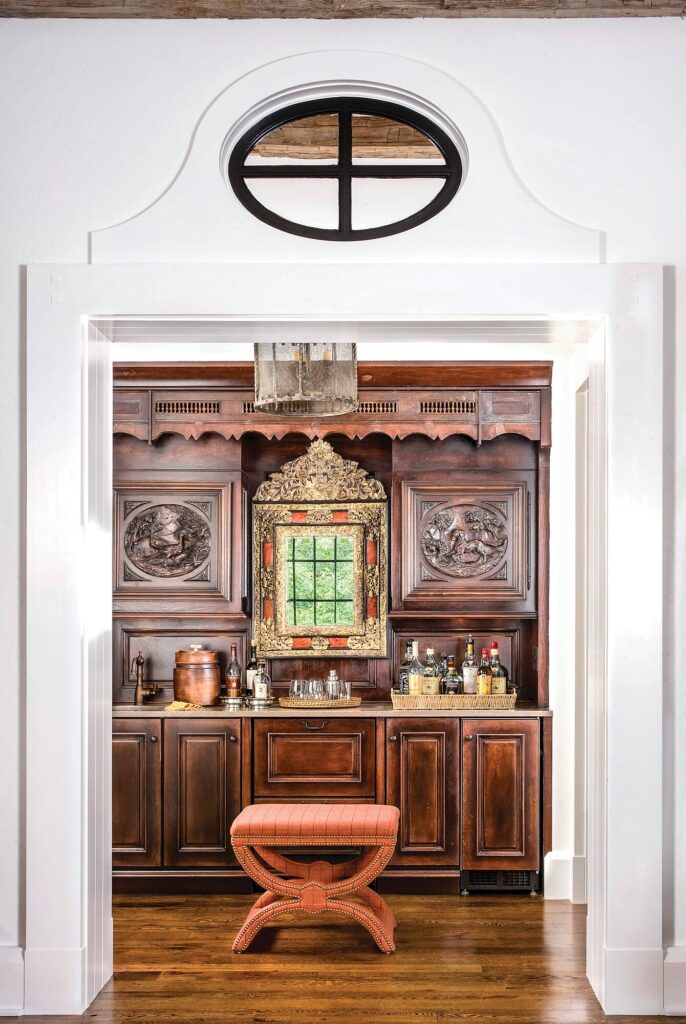
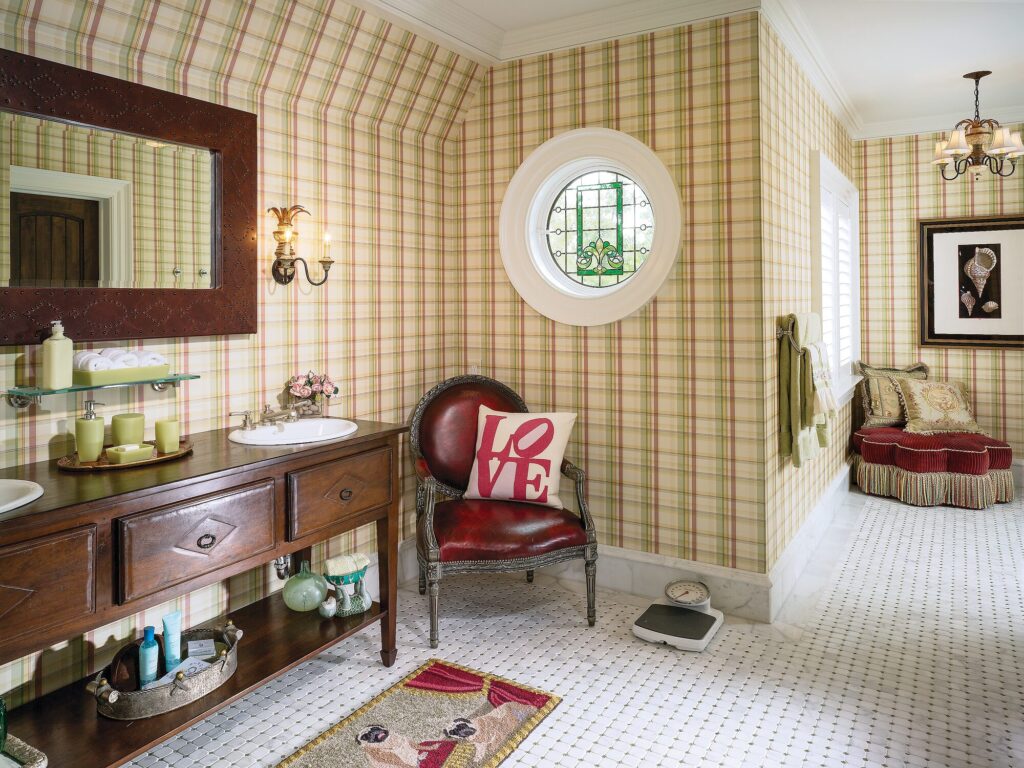
Depending on the overall style of a home, an oculus can present itself in several varying shapes—a circle, oval, or ellipse—ranging from open patterns meant to usher in natural light to more stylized architectural moments through the thoughtful addition of muntins.
Proportion and Placement
Ultimately, the success of a circular opening depends upon proportion and placement. When scaled too small, it becomes an afterthought; too large, and it can overwhelm the composition and ruin a home’s intended design aesthetic. However, when properly proportioned, it becomes a natural focal point—one that feels historic, yet fresh.
Many believe this to be the enduring appeal of the oculus. It connects architecture to its past while remaining remarkably adaptable to present-day design. It reminds us that sometimes the most memorable architectural gestures can also be the simplest.
Need to Know: Having an Eye for Oculus Windows
- Bring light to interior rooms. Utilize a ceiling roundel opening as an opportunity to allow natural light to enter interior rooms. When effectively placed atop a multistory stair hall, light can flood into otherwise darkened interior spaces.
- Practice restraint. Be careful not to overuse a “good thing.” Circular apertures are most successful when used to complement and enhance an elevation—not overshadow other elements and become a focal point.
- Look to interior walls. Some of the most successful applications of round fenestration occur within interior walls between rooms. Much like an oculus skylight, these interior windows can draw natural light deeper into the home while creating a compelling visual connection between spaces.
- Experiment with glazing. If the goal is to offer a visual connection to what lies beyond the opening, incorporate clear transparent glass. Opaque, reeded, and beveled glass are a few of the useful options to consider when the purpose of the opening is less about the view and more about natural light.