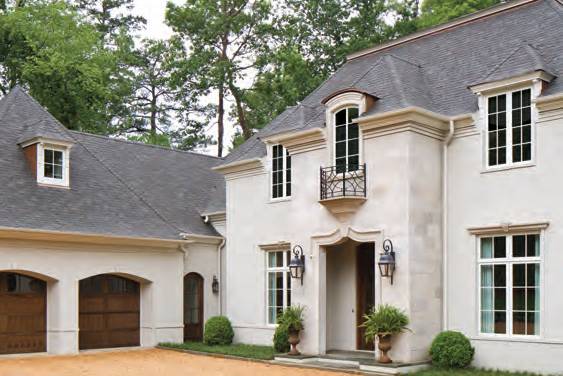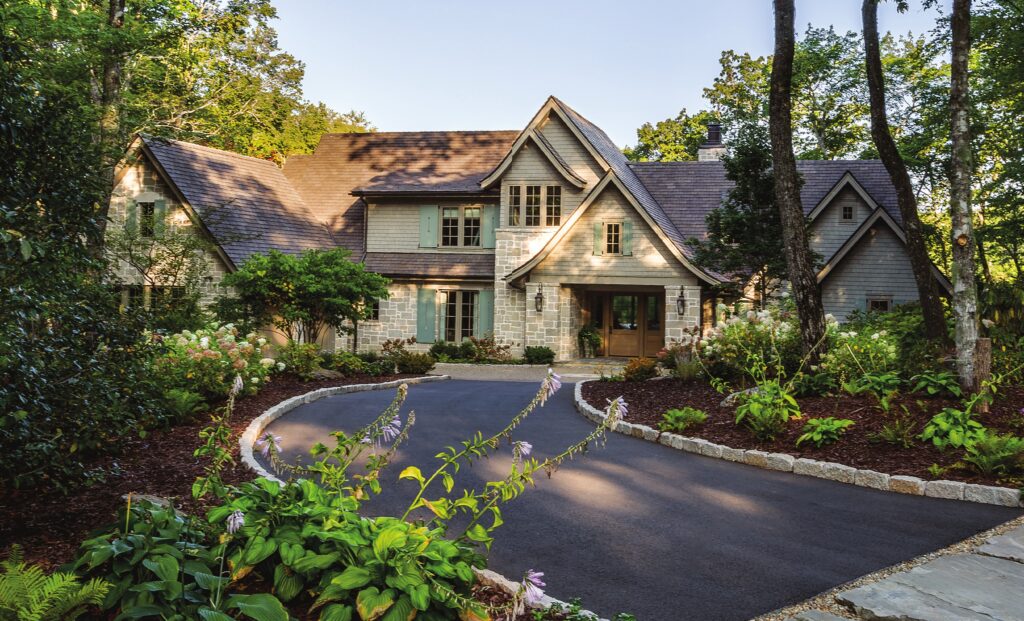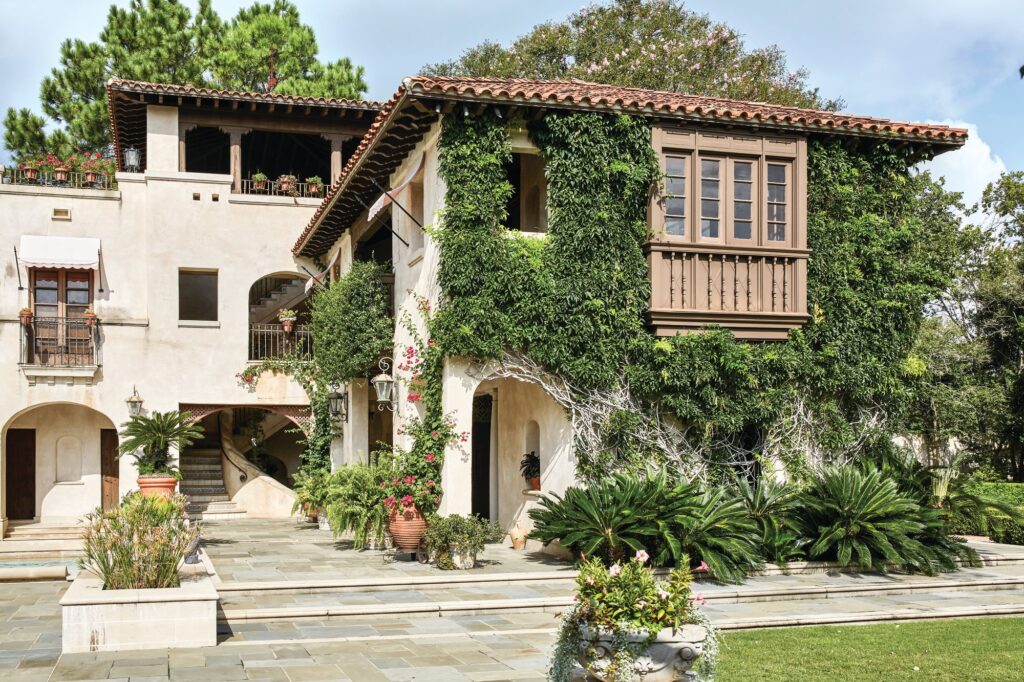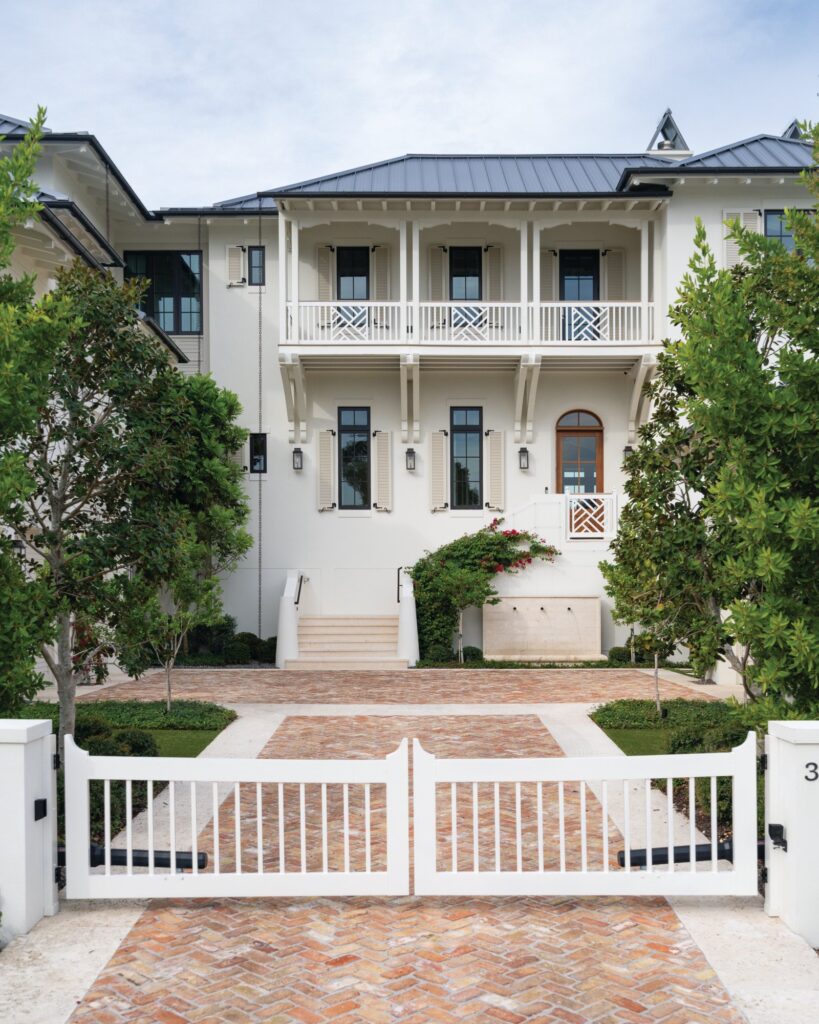

When it comes to things that make a home engaging, dormers often go unnoticed. Because they occur at roof level, away from areas that usually garner the lion’s share of attention, such as the front door or a well-detailed porch, these architectural elements can easily be overlooked. And while these roof structures may not have the starring role in a home’s design, they certainly pack a punch with their functionality, sometimes turning a forgotten attic or a dimly lit upstairs room into viable living space.
Simply put, dormers are enclosures that project up and out from the main roofline to provide more headspace, natural light, and in some cases, ventilation. And as with other features in the design world, they take on many shapes and sizes, depending on the style of home they’re complementing. When classifying dormers, however, they generally consist of three forms based upon their roof orientation: shed, gable, and hip. Shed dormers have one roof that slopes away from the main roof at a lesser pitch. Gable dormers include two roofs that peak at the top and slope downward on either side. Hip versions sport three roofs—two on either side with a third plane at the front of the dormer that slopes back as it rises. Meeting at a common ridge line, these upper surfaces form a pointed cap.
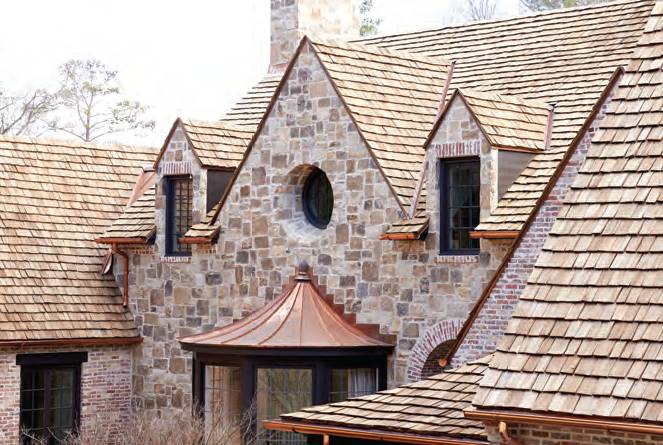 When asked to pinpoint his favorite type of dormer, Montgomery, Alabama, architect John Sease makes no qualms about it. “I gravitate toward a simple shed dormer, which is most appropriate on cabins or cottages, especially at the lake or in the mountains,” he says. “A shed dormer can contain a singular window or multiple windows that are grouped together to bring significant light in and views out of a second-story space. When the dormer roof runs all the way to the ridge, it creates a sleepy feeling, much like opening your eyes from an afternoon nap.”
Sease’s firm, Tippett Sease Baker Architecture, is well-versed in not only designing and constructing dormers to complement their impressive work, but also in knowing which dormers are most appropriate to a specific architectural style. “For instance, for Georgian-inspired residences, dormers are typically formal and gabled,” Sease says. “They accentuate the geometry of the facade, creating a steady, stately rhythm.” With a more loose and expressive aesthetic, like an Arts and Crafts bungalow, the architect notes that a curved dormer, known as an eyebrow dormer, is more intrinsic with the look. Sease adds that by taking time to choose the right style of dormers for a home, owners can expand their square footage inside while adding a bit of character to the roofline outside.