
By Geoffrey C. Chick
As an architect, I generally prefer to let my work do the talking. However, since I have spent the past 22 years designing houses along Northwest Florida’s Scenic 30A, writing about what makes an ideal second home at the beach only seems fitting. I couldn’t resist the opportunity to share these core design principles I bring to each new project.
The key to a great beach house starts with a great floor plan. I always tell my clients that it costs the same amount of money to build a lousy plan layout, so you might as well get it right. For a beach home, it’s important to open up the living areas to bring more people together. Most of our homes feature a central living space that is approximately 24 feet wide by 52 feet long. It’s large enough for open dining and living areas, as well as a gourmet kitchen with an enormous island and plenty of barstools. This open plan also allows for better views. By eliminating the interior partition walls, you get a panoramic line of sight from one end of the room to the other.
 To take advantage of these views, our homes include many floor-to-ceiling windows. We often use transom windows to push the openings as close to the ceiling as possible. The secret to more natural light is to break the massing of the house down into smaller parts. By increasing the surface area of the exterior walls, we can get more windows into the house. A narrower room dimension also allows natural light on either side to penetrate the center of the space, and the additional height of the transom windows increases the effect.
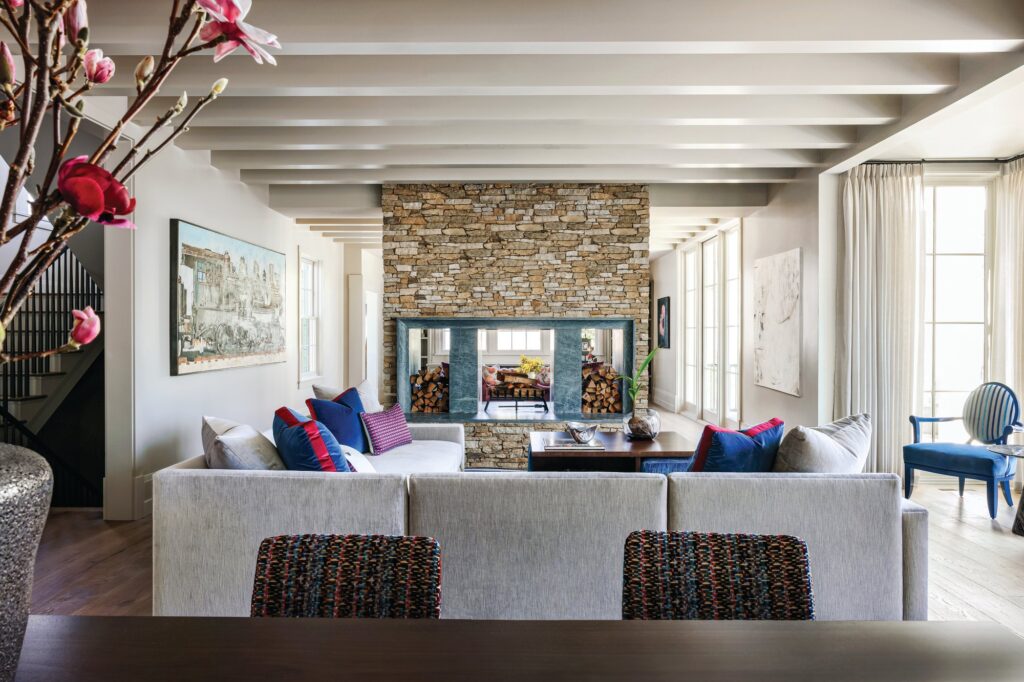
We often place the main living spaces on the top floor of a beach house to capture the views. In these cases, I use vaulted roof trusses to gain space that is usually wasted in the attic. If the ceiling is not vaulted, I will utilize coffers or reclaimed beams to break up the big stretch of drywall. Another option is to insert cypress paneling into the coffers to warm up a room and make the ceiling grid pop.
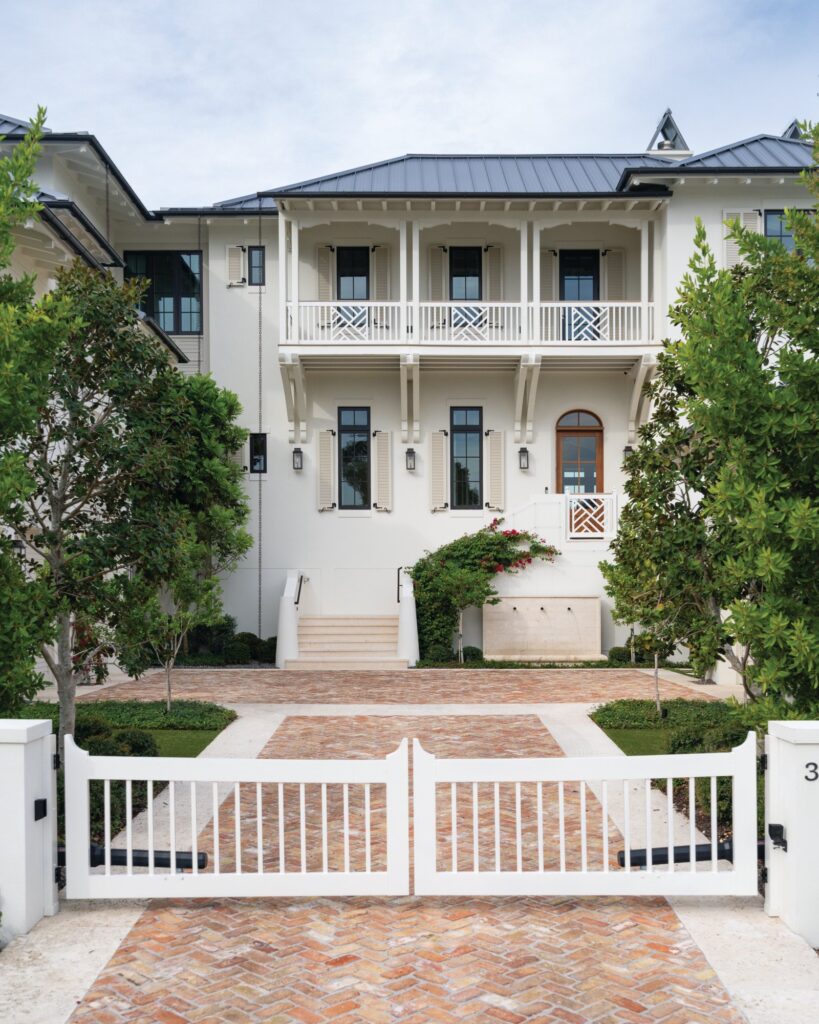
Color and materials are also key to completing the architecture. Using the right paint color can transform a space no matter what the budget. Lighter colors help reflect daylight into the rooms and create an uplifting effect. On the exterior, lighter colors won’t fade and chalk like darker colors, which means fewer repaints over time. Inside, the use of reclaimed wood complements a home’s seaside surroundings. I also love to contrast modern elements with old, recycled materials. The juxtaposition creates a pleasing balance. And when choosing fabrics, it’s important to pick durable ones that can handle sandy feet and wet bathing suits.
Outdoor living spaces are one of the main reasons people build at the beach. We like to use multiple bifold doors up to 24 feet wide to help blur the lines between inside and out. Our clients often want to add a swimming pool and outdoor kitchen to the mix. I try to capture the late afternoon sun in these areas when possible. Overall, it’s hard to beat the selling power of a gourmet grill station with refrigerator drawers keeping the beer cold paired with a pool overlooking the Gulf of Mexico. This is what beach house living is all about.