Text: Blake Miller
Photography: Stacy Zarin Goldberg
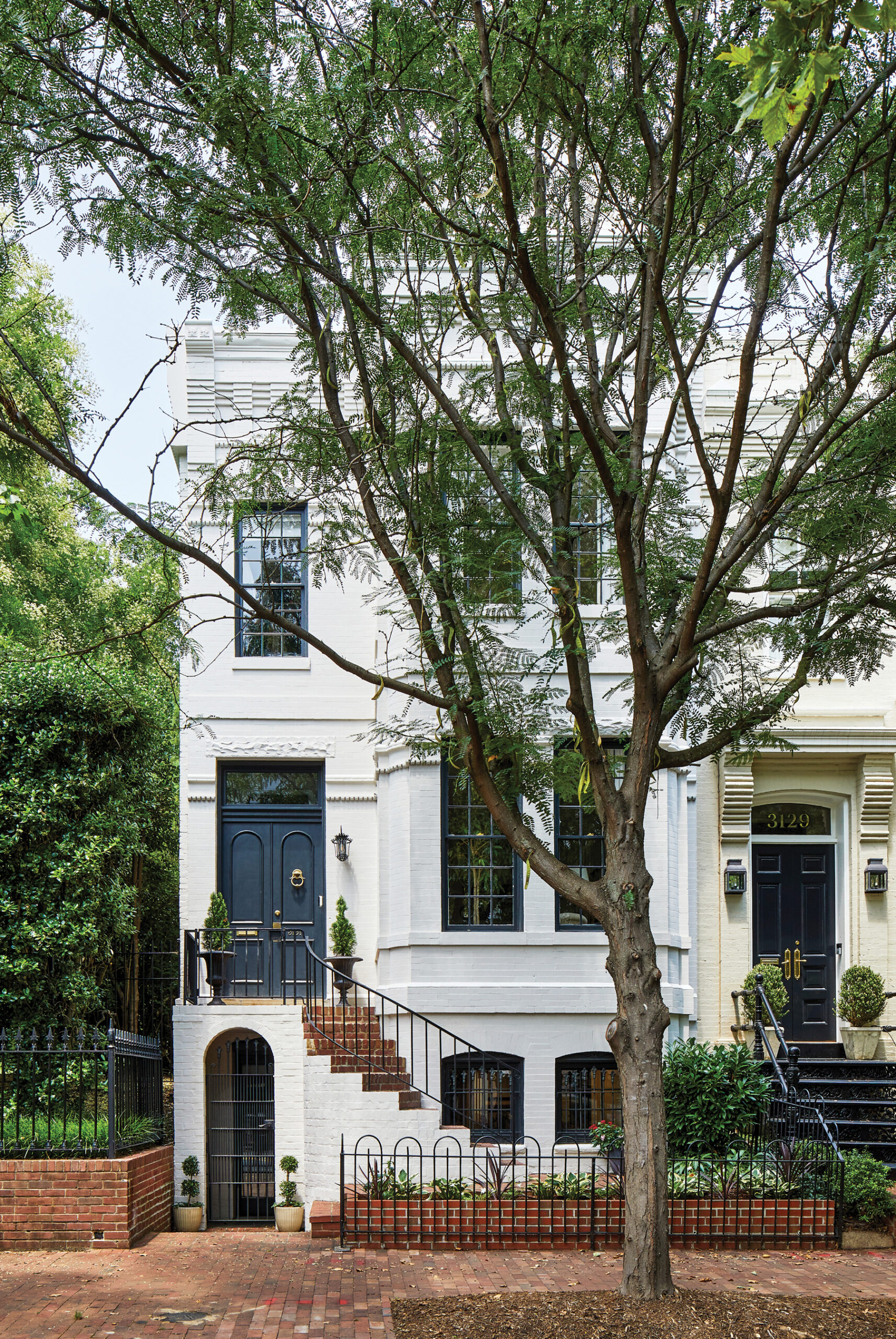
When Sara Swabb and her husband, Erik, first walked into the circa 1900 row house in Georgetown, the home was in ruins. Sagging floors, water leaks on the walls and ceiling, and a massive pooling of water in the tiny backyard that indicated serious drainage issues were just a few of the problems they could see. The home hadn’t been updated or renovated in decades—and it was obvious from the orange Formica kitchen countertops, dated wood cabinetry, and sloping floors.
Diamond in the Rough
Diamond in the Rough
Diamond in the Rough
Diamond in the Rough
Diamond in the Rough
 Despite the structural and cosmetic issues, Swabb, a designer, could see the potential in the historic home. “I think we were the only ones who were crazy enough to put an offer in.” Swabb says with a laugh. “My Realtor friend said, ‘If there’s anyone who can transform a home like this, it’s you, Sara.’ I loved that we could make this home exactly what we wanted because the bones were great.”As founder and creative director of Storie Collective, Swabb is no stranger to large renovation and interior design projects. The couple’s Georgetown row house, however, would be her most challenging project to date, with its historical restrictions, space limitations, and an oncoming pandemic that would slow down the renovation and interior design process. “I knew that it would be a bit of a long road,” says the designer. “But we’d looked for so long and missed out on so many homes that I didn’t care how much work it took or how long it would take.”
While the home was built in the early 1900s, previous owners had stripped it of its original historic architectural details save for the original flooring. “And even that was destroyed from all the water damage,” she explains. The home desperately needed cosmetic updates, but first it required structural changes to the interior layout in spaces such as the kitchen, which was at one time a narrow galley with “western-style swinging doors.” Swabb says. Random structural beams were placed throughout the home “where the previous owners were clearly trying to open up the house, but they needed the beams to support the ceiling,” says Swabb. “Our renovation was about how we could modernize this home without sacrificing its innate character.” The designer enlisted architect Dave Bloom of District Architecture to bring her architectural plans of a modern historic Victorian home to fruition.
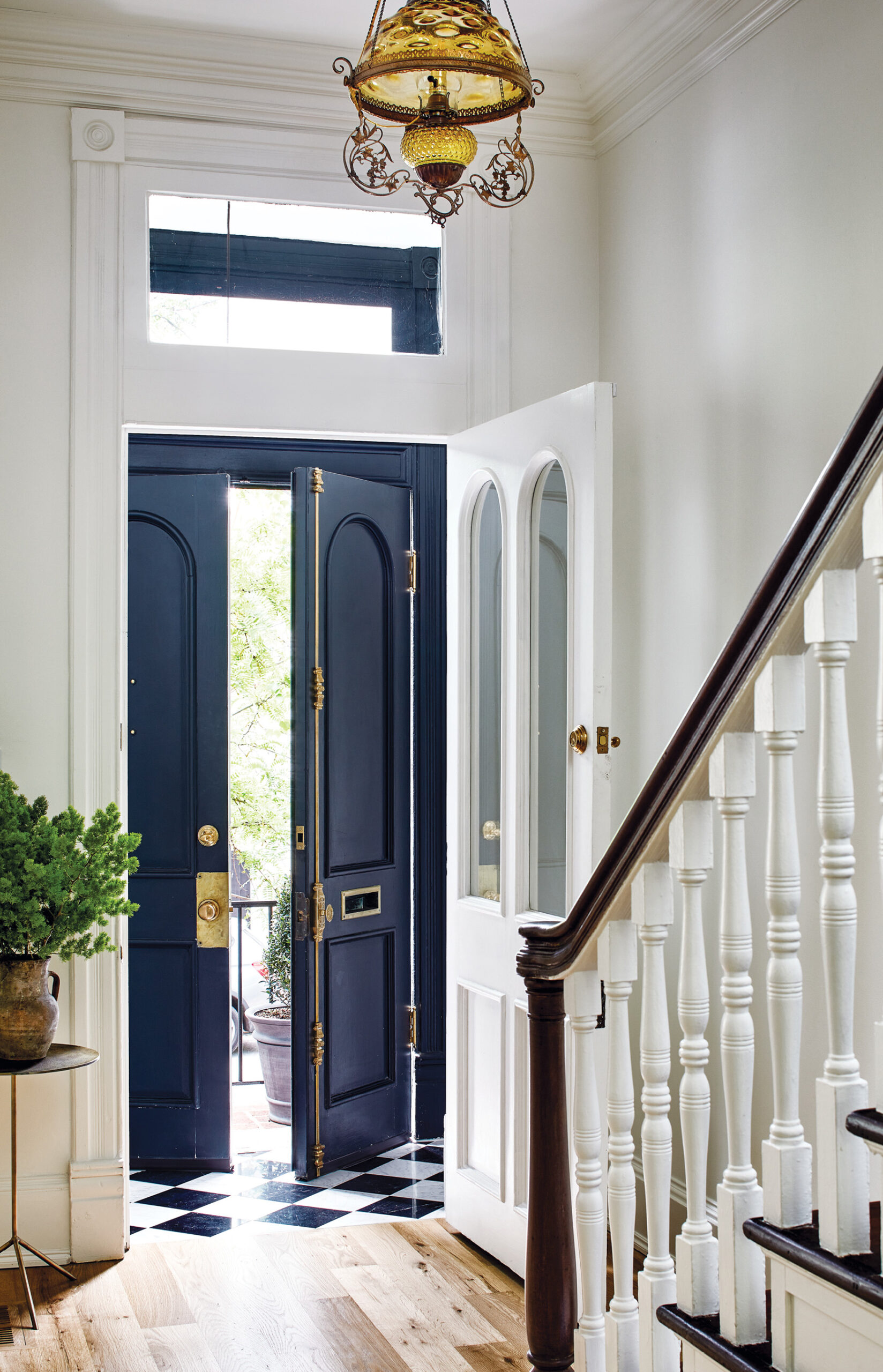
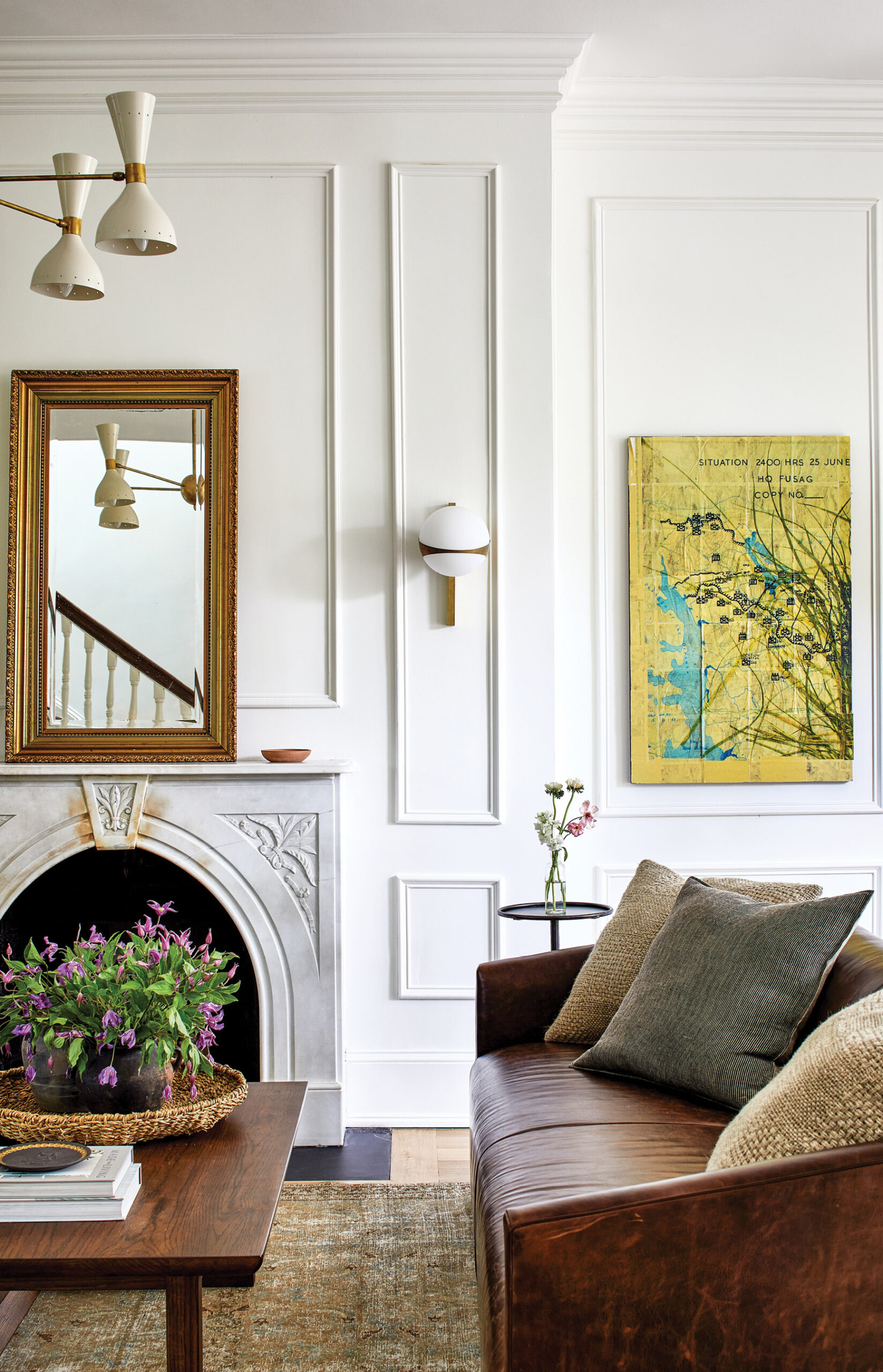
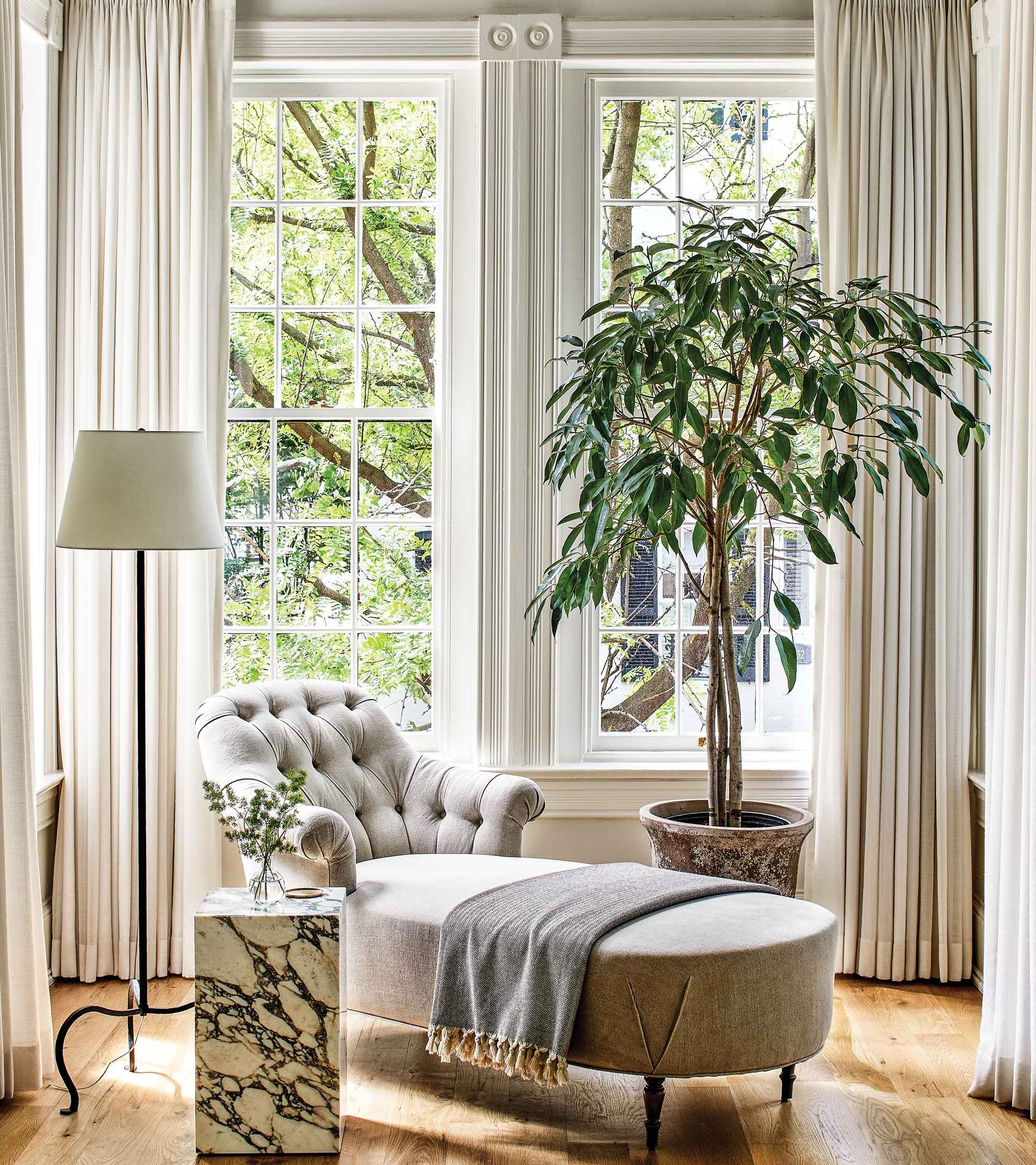
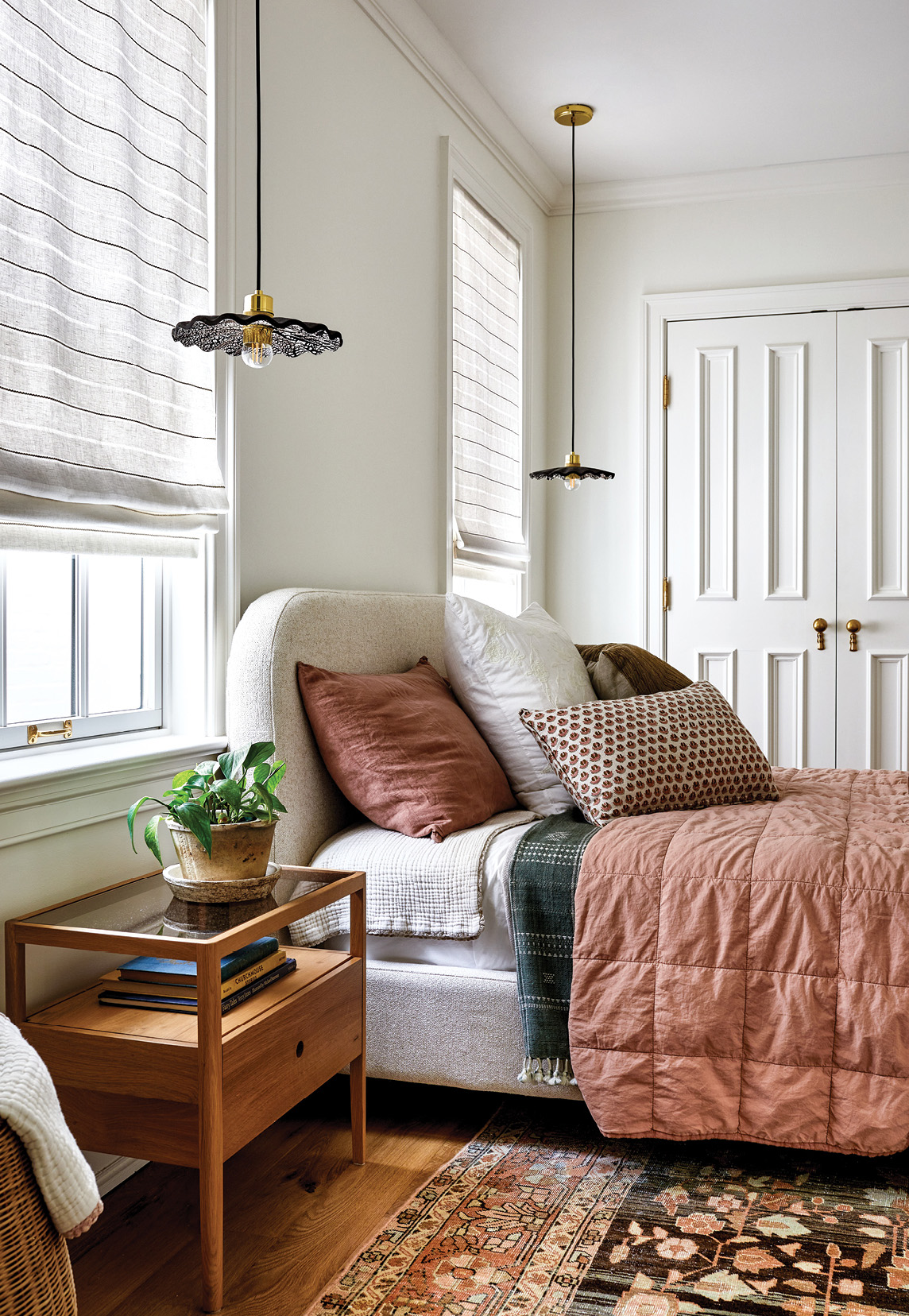
With a new kitchen in place, an open and structurally sound living space, and en suite bathrooms for every bedroom, among many other changes, the designer was finally able to focus on the interior details of the home. Swabb’s design approach for her clients and for her own home is simple: “I want a home to speak to me. The style of this house is Victorian, so we wanted it to have proper applied molding and crown molding and a sense of gravitas to it. That may not be my particular aesthetic, but that’s what the home called for, so that’s what we did.” Tiny details mattered: Every register was a replica of the home’s original diamond pattern. “Having those registers custom designed to match was a small way that we let the home speak to us and dictate how the design should look on the interior,” she says. A slim chair rail was added in the dining room because “I love the idea of this clean line allowing the dining room to feel like its own separate space.” Though the original floors could not be salvaged, Swabb chose a character-grade white oak. “I liked the knottiness and rustic element of this wood. It’s a beautiful backdrop for the rest of the home’s design.”
That interior design is a true reflection of the home’s Victorian character seamlessly blended with modern touches. The antique Italian Chiavari chairs in the breakfast dining area “bring this seriousness and traditional style with their stunning cane seats. They’re a beautiful statement piece,” Swabb says. “But then they have really slender, clean lines, which provide that freshness of modern design.” Architecturally, the traditional archways throughout the home were updated by making them slightly squared off—a small but ultimately impactful change that lent the home a contemporary feel. “It was a way of making the architectural elements speak loudly and bring balance to some of the more traditional furnishings,” she explains.
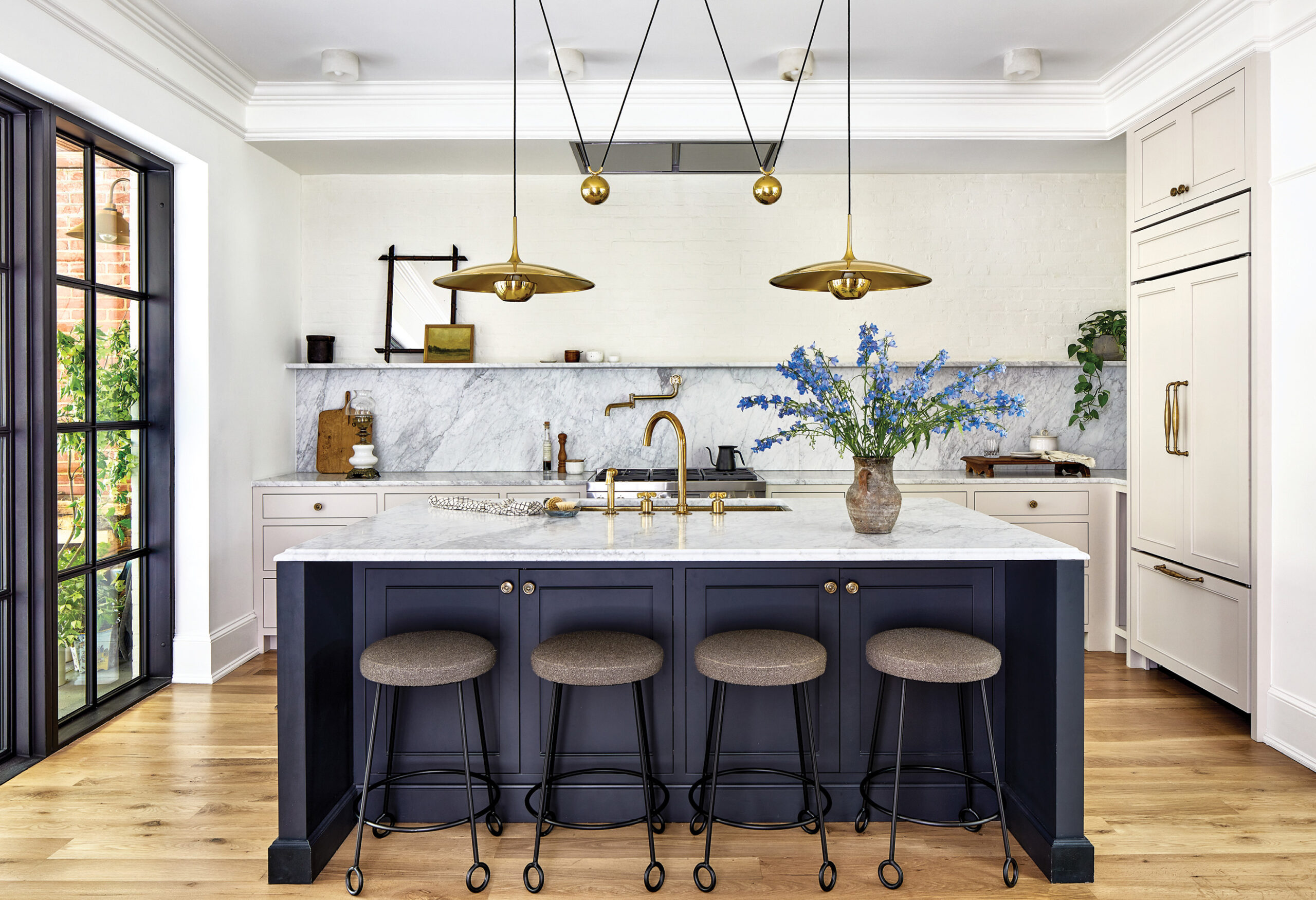
The home’s original galley kitchen was so narrow, tiny, and dated that Swabb knew it needed to be recreated elsewhere. The new kitchen, which offers a clear view of the backyard, was designed in partnership with Tanya Smith-Shiflett of Unique Kitchens and Baths. Swabb focused her budget on custom cabinetry and lighting to provide the biggest impact in the home. The Onos 55 double pendant lamp by Florian Schulz over the island paired with the Jean Royere Yo-Yo Counter Stool Reproductions add the subtle wow factor the designer was striving for.
Though often subtle, these small but powerful tweaks to the home resulted in what Swabb and her husband call their forever home: a modern Victorian that pays homage to its historic roots while boasting an effortless combination of contemporary interiors with traditional touches. “Our home is our safe space and haven,” says Swabb. “When we come home at the end of the day, we want calm and peace, and this house does that for us.”