Text: Lynn Lee Terry
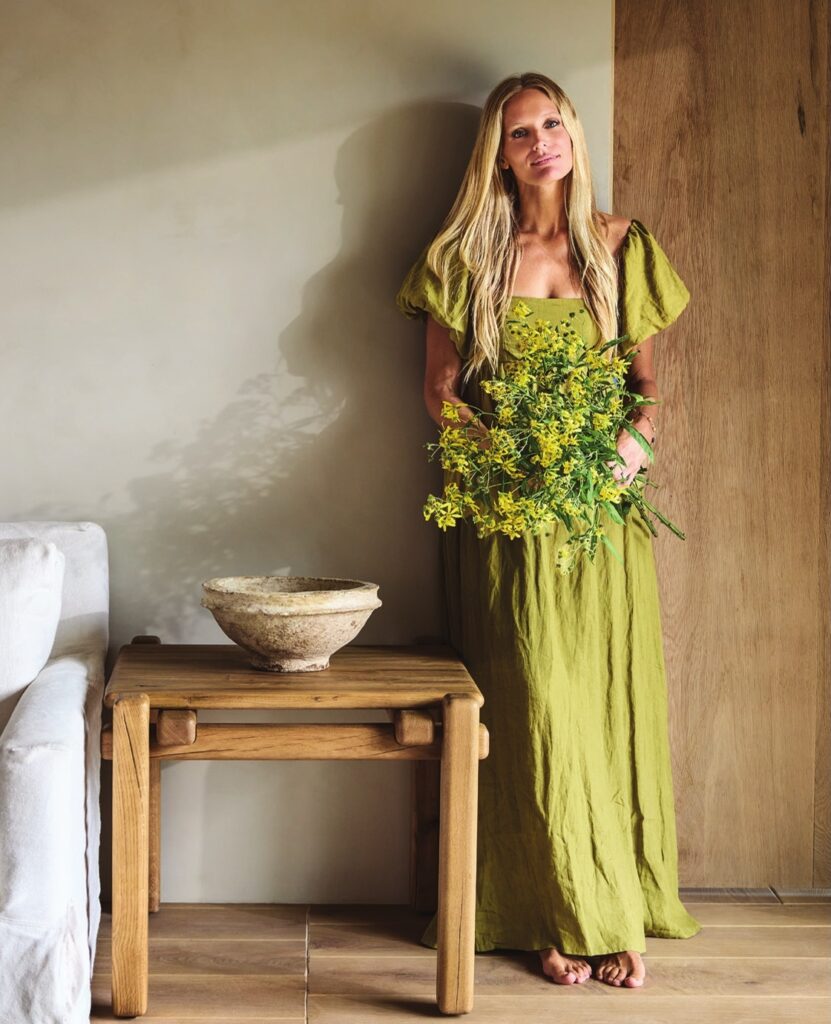
Lewis shares her thoughts on creating rooms that feel collected, the power of restraint, and the labor of love behind interiors.
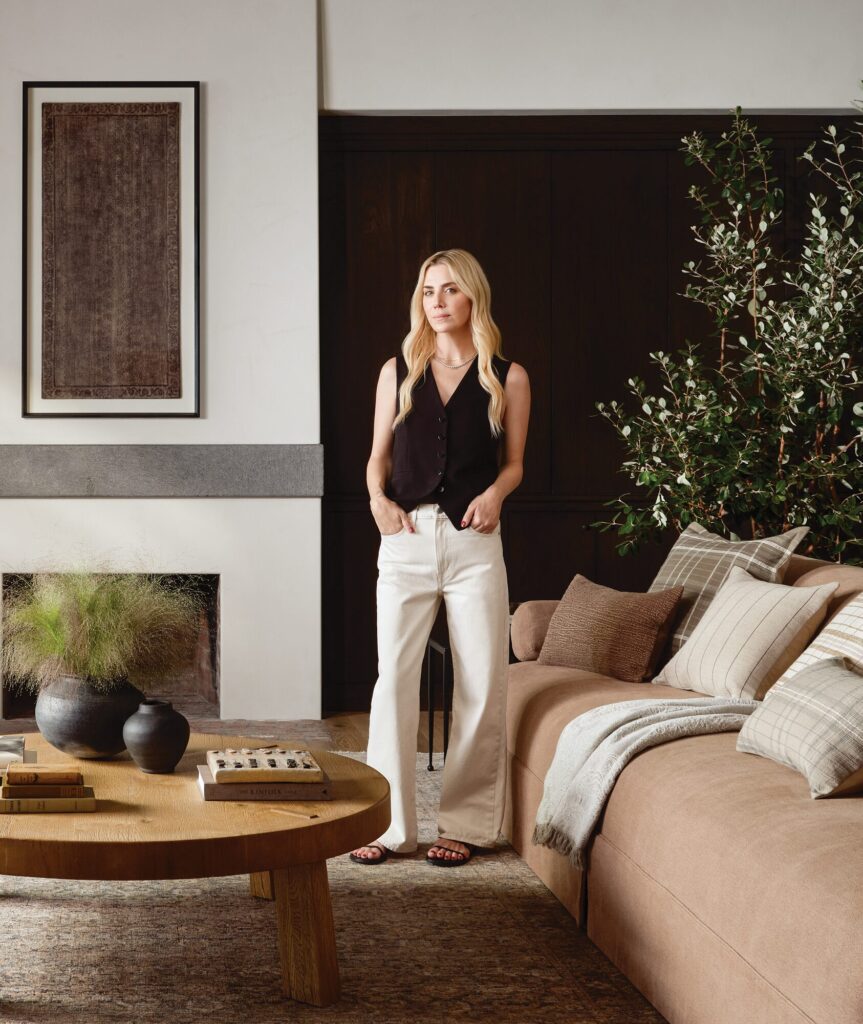
Southern Home (SH): What was the first room you ever designed, long before it became a career? Looking back, do you see hints of your style today?
Amber Lewis (AL): I got my start working at an interior design store, much like the ones I own today. I was hired to work the register but soon took over the displays and discovered how much I loved creating them. Customers began asking me to bring that same sensibility into their homes, and those early spaces became my first forays into design. Looking back, I see clear through lines: vintage furniture, a grounded palette, and layers that give a room a sense of history. Pattern mixing and tactile materials, from colorful suzanis to nubby linen and tumbled stone, have been part of my vocabulary from the beginning.
SH: Amber Interior Design has grown into a lifestyle brand. When you started, did you ever imagine it would become something this expansive?
AL: I couldn’t have predicted any of this if I’d tried. I didn’t even know I would become an interior designer until I was one, much less imagine that people would value my perspective on everything from design and fashion to motherhood, living with multiple sclerosis, and the realities of running a busy business. I’ve always been a creative person who shares life honestly, for better or worse. I’m incredibly grateful that people have connected with that openness and supported me through every chapter.
SH: Your rooms feel collected rather than decorated. What separates those two ideas in your mind?
AL: Decorating is about filling a room; collecting is about building one. A collected space reflects a life actually lived, bringing together vintage, new, and custom pieces with unexpected objects and personal mementos. Nothing should be too precious to live with. The goal isn’t a picture-perfect room. It’s one that feels deeply individual, as though it could belong to no one else.
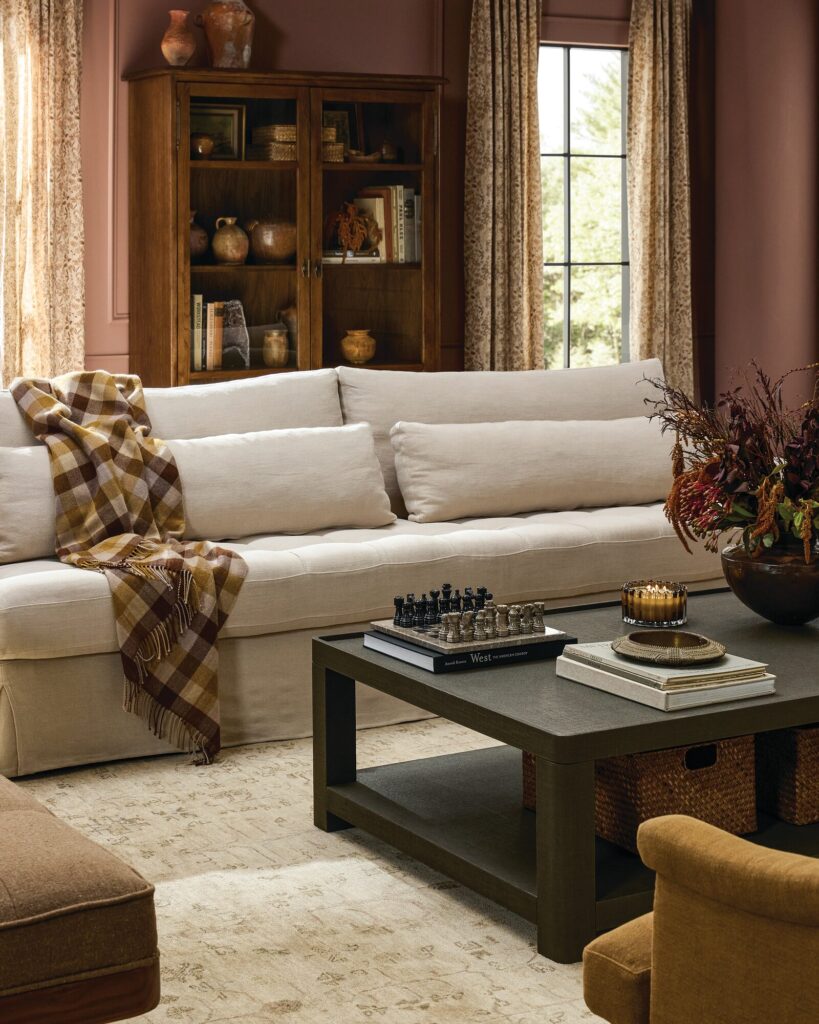
SH: Your interiors have an effortless quality, but effortless is often the hardest thing to create. What details do you obsess over that people rarely notice?
AL: Anyone who knows me would probably call me obsessive, maybe even neurotic, about details. From the edge profile of a kitchen countertop to the way a drapery panel is pleated, everything is considered. I’ll spend hours moving something an inch to the left and then back again because those small decisions add up. They are what separate a room that simply photographs well from one that truly feels good to live in.
SH: Every designer has a signature, whether intentional or not. What elements quietly find their way into almost every project?
AL: Natural stone, vintage furniture, beautifully made upholstery, a grounded palette, tactile materials, and thoughtful pattern mixing. I don’t think I’ve ever completed a project without some combination of those elements.
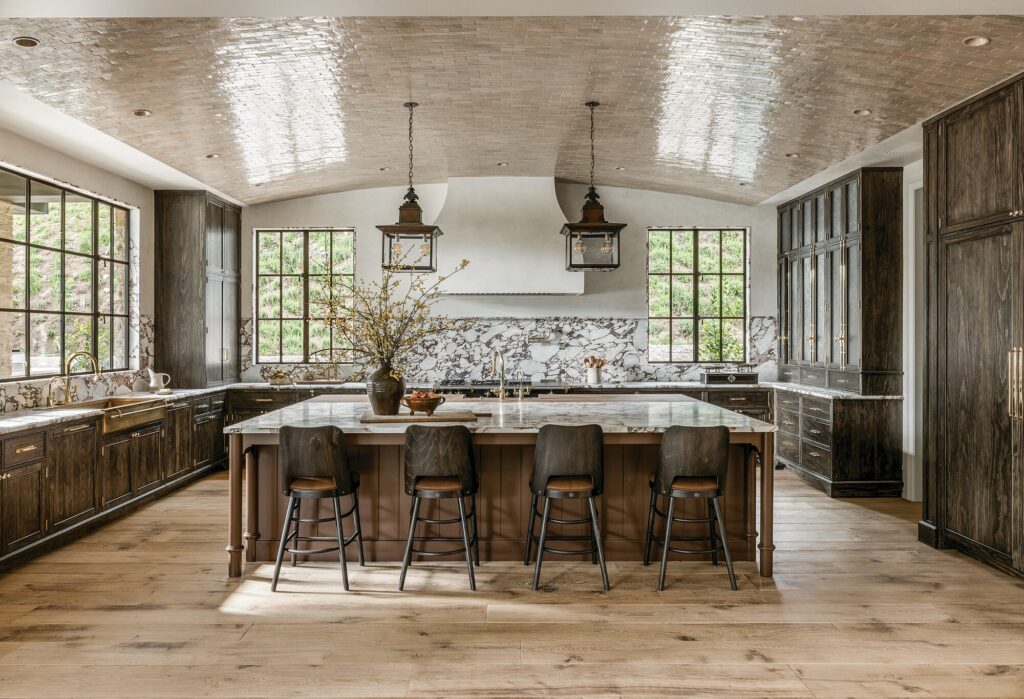
SH: What’s one design rule you’ve happily ignored?
AL: Honestly, most of them. Taking a rule or trend and bending it until it feels more personal is kind of my jam. At my new house, I’m mixing unlacquered brass, polished nickel, and oil-rubbed bronze. Combining metals keeps things from feeling too matched and gives a space more character.
SH: You have an exceptional eye for mixing vintage with new. What tells you a room has just enough history and when it needs more?
AL: There isn’t a formula, although I generally gravitate toward roughly 60 percent vintage and 40 percent new. That shifts depending on the architecture and spirit of the project. Sometimes a single antique changes everything; other times, a room calls for much more. The goal is to find a balance that gives a space depth and personality without making it feel overly contrived.
SH: Your Four Hands collection is remarkably versatile, with pieces that feel equally at home in very different interiors. Why is adaptability important to you as a product designer?
AL: Each collection is designed to build upon the last rather than belong to one particular style. I want the pieces to work together but also alongside things people already own. That reflects my broader philosophy. The most interesting homes are built from a mix of materials, patinas, periods, and styles. Good design should leave room for a home to evolve rather than locking it into a single look.
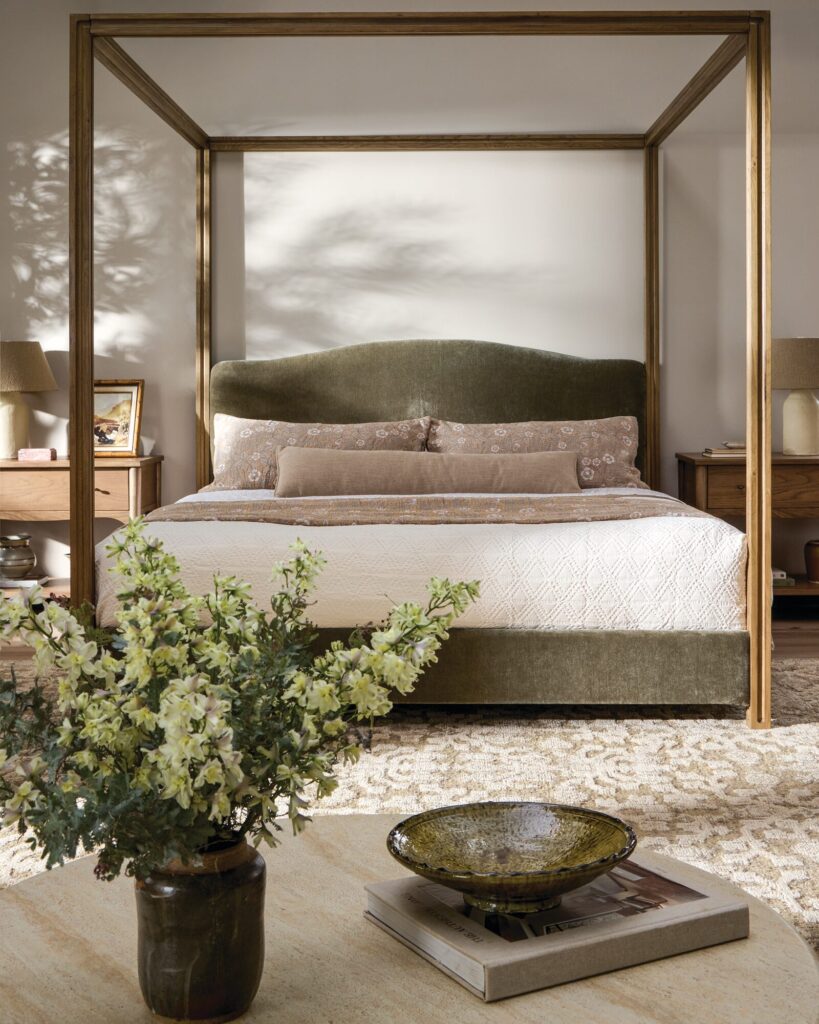
SH: You’ve joked that your best ideas come in the shower. Why do you think inspiration finds you there, and can you share an example?
AL: My days are jam-packed with back-to-back meetings, so the shower is one of the few places where I’m truly alone and able to think. That’s actually where I first envisioned the Sadira Coffee Table, which is now one of the best-selling pieces in my Four Hands collection.
SH: Is there an object you can’t resist buying, even when you have absolutely no place for it?
AL: Vintage Levi’s. I probably own more pairs than I should, and my closet is definitely struggling to keep up. It’s a good thing the closet at my new house is actually bigger than the primary bathroom!
SH: Have you ever walked into an antiques shop, spotted one piece, and immediately envisioned an entire house around it?
AL: Absolutely. Sometimes you find the perfect piece while sourcing for a project; other times, you fall in love with something before knowing where it belongs. When sourcing for Charmed I Am Sure, we came across a pair of extraordinary matching antique black hutches, and it was love at first sight. I knew they had to be part of the project, and they ultimately set the tone for the living room.
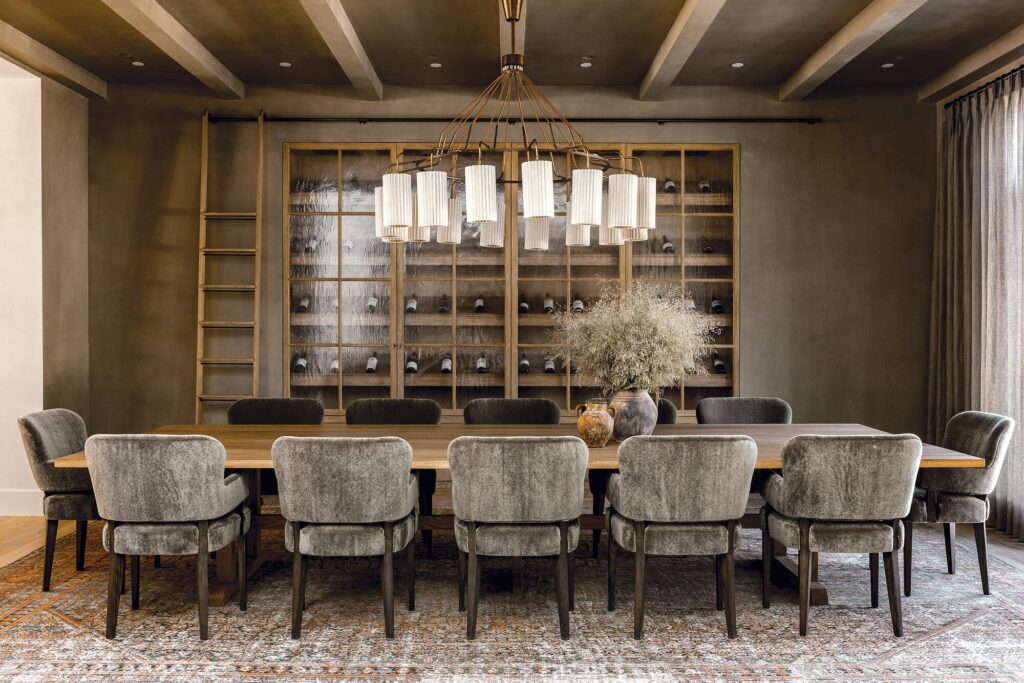
SH: What design belief from ten years ago have you since changed your mind about?
AL: I used to lean much more heavily into maximalism. It still has its place, but I once believed that more, more, more was the only way to make a statement. I’ve learned that restraint can be just as powerful. Knowing what to leave out often gives a design its clearest point of view.
SH: What’s the biggest misconception people have about working with a designer?
AL: A lot of people assume hiring a designer means giving up control, when in reality, it’s quite the opposite. Our job isn’t to create our dream home; it’s to help bring yours to life. We ask how you actually live, how you move through your day, where your children spend time, and how you entertain. Aesthetics are part of the equation, but if a home is beautiful and doesn’t function for the people living there, we’ve missed the point.
SH: Is there a dream project still on your wish list?
AL: A few: a villa in Italy, a château in France, and something on an island in the Caribbean. Please and thank you.
SH: Every home has one quiet hero, a piece that isn’t flashy but holds the room together. What tends to be that unsung hero in your projects?
AL: Probably the rug. People often think of it as a finishing touch, but I see it as the foundation. It establishes the color story, grounds the furnishings, and gives everything else something to build upon. I also have a bit of an addiction to room-sized vintage rugs. They bring instant character and patina while quietly anchoring the entire room.
SH: Trends come and go. What are you quietly falling back in love with?
AL: Passementerie, all the way. Tassels, fringe, beautiful trim, I’m here for all of it. It’s moved in and out of fashion plenty of times, but I love the way it’s returning now: less formal or fussy and more refined. Used thoughtfully, passementerie adds texture, charm, and personality without overwhelming a room.
The Lightning Round
Ten seconds per answer. No take-backs.
One design trend you’d happily keep forever?
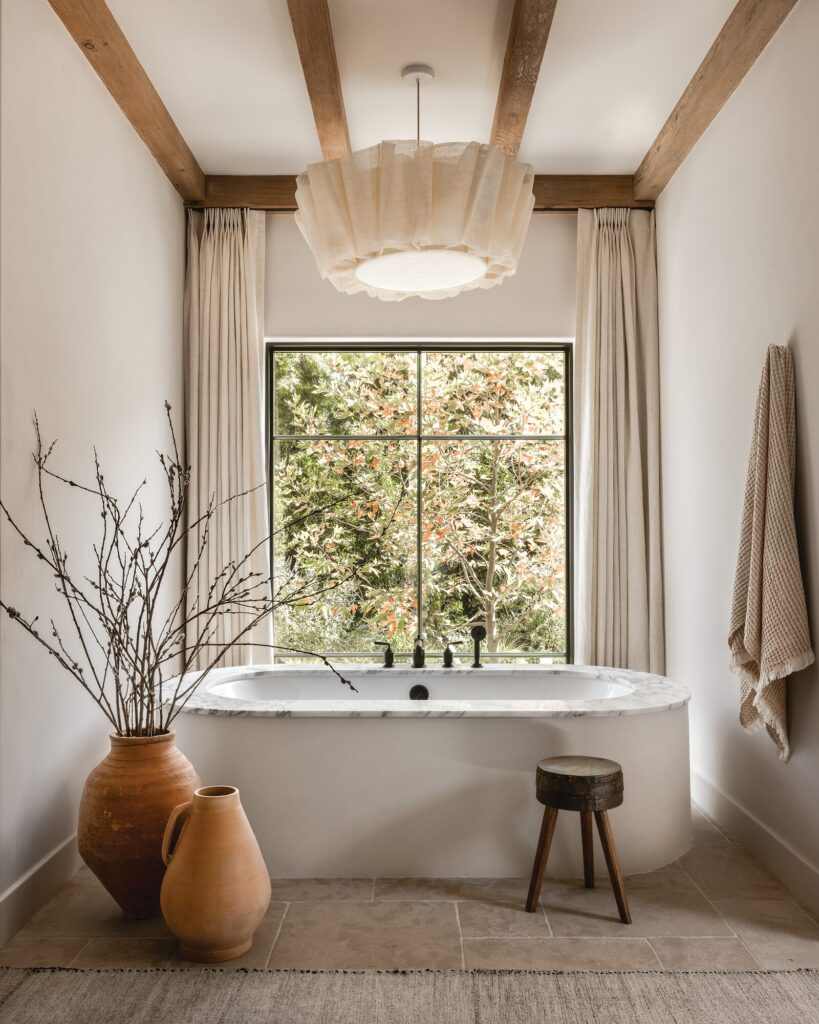
Reclaimed wood beams. Forever and ever.
Favorite design book on your shelf right now?
Am I allowed to say my own? My third book, Interiors, was released September 29, 2026.
The object in your home that means the most to you?
Probably my bed. I don’t mess around when it comes to sleep.
Three words that define a well-designed room.
Functional. Personal. Layered.
Every home should have:
Vintage, unique lighting, room-sized rugs, quality upholstery, and custom millwork.