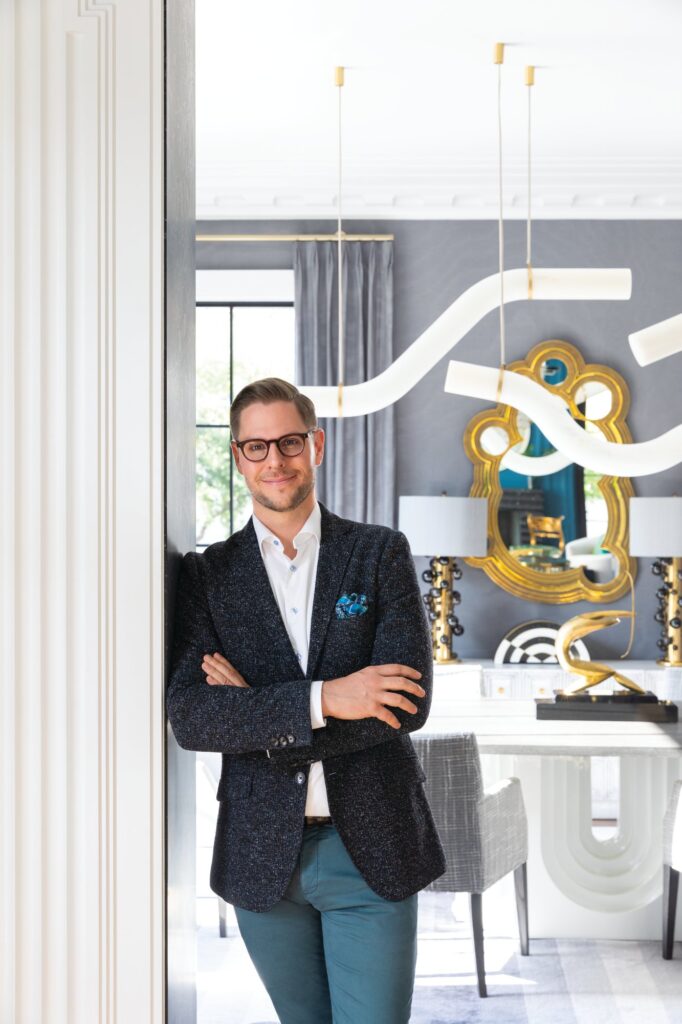
Text: Lynn Lee Terry
Photography: Courtesy of Benjamin Johnston Design, Rizzoli press images from Refined Interiors
Meet a designer who understands that editing is just as important as creating, antiques offer history, and the best technology disappears.
Southern Home (SH): I know that you received two degrees in architecture and worked on large-scale commercial projects before focusing on residential design. What prompted that move?
Benjamin Johnston (BJ): Architecture taught me to think about space at every scale, but I found myself increasingly interested in how people actually live within those spaces. Commercial projects are incredibly rewarding, but residential design offers something uniquely personal. You’re not simply solving functional problems, you’re shaping the backdrop for a family’s daily life, their traditions, and their memories. That level of intimacy drew me in, and it continues to inspire me every day.
SH: Your mother quoted Milton Berle, “If opportunity doesn’t knock, build a door.” How has that sentiment been a stronghold for you in life and in your career?
BJ: My mother instilled in me the belief that waiting isn’t a strategy. If you have conviction, you create momentum rather than hoping someone else creates it for you. That philosophy has influenced every chapter of my career, from starting the firm to expanding into furniture and textile collections, publishing a book, and continually evolving our practice. Growth has always come from being willing to create opportunities rather than simply responding to them.
SH: Your architectural training shapes the way you see a room before you ever think about furnishings or finishes—proportion, light, circulation, how spaces connect. Was the integrated approach your firm is known for, uniting architecture, interiors, and furnishings into one experience, something you set out to do, or did it evolve naturally from that training?
BJ: It evolved naturally, because that’s how I was instinctively approaching every project. Architecture teaches you to see relationships before objects, and the more we worked that way, the more we realized the strongest outcomes happened when every decision was considered together. Architecture influences interiors, interiors influence furnishings, and furnishings reinforce architecture. When those elements are conceived as one idea rather than separate layers, the home feels effortless. That perspective has shaped the way our studio works—we don’t see architecture and interiors as separate disciplines, but as parts of one continuous conversation.
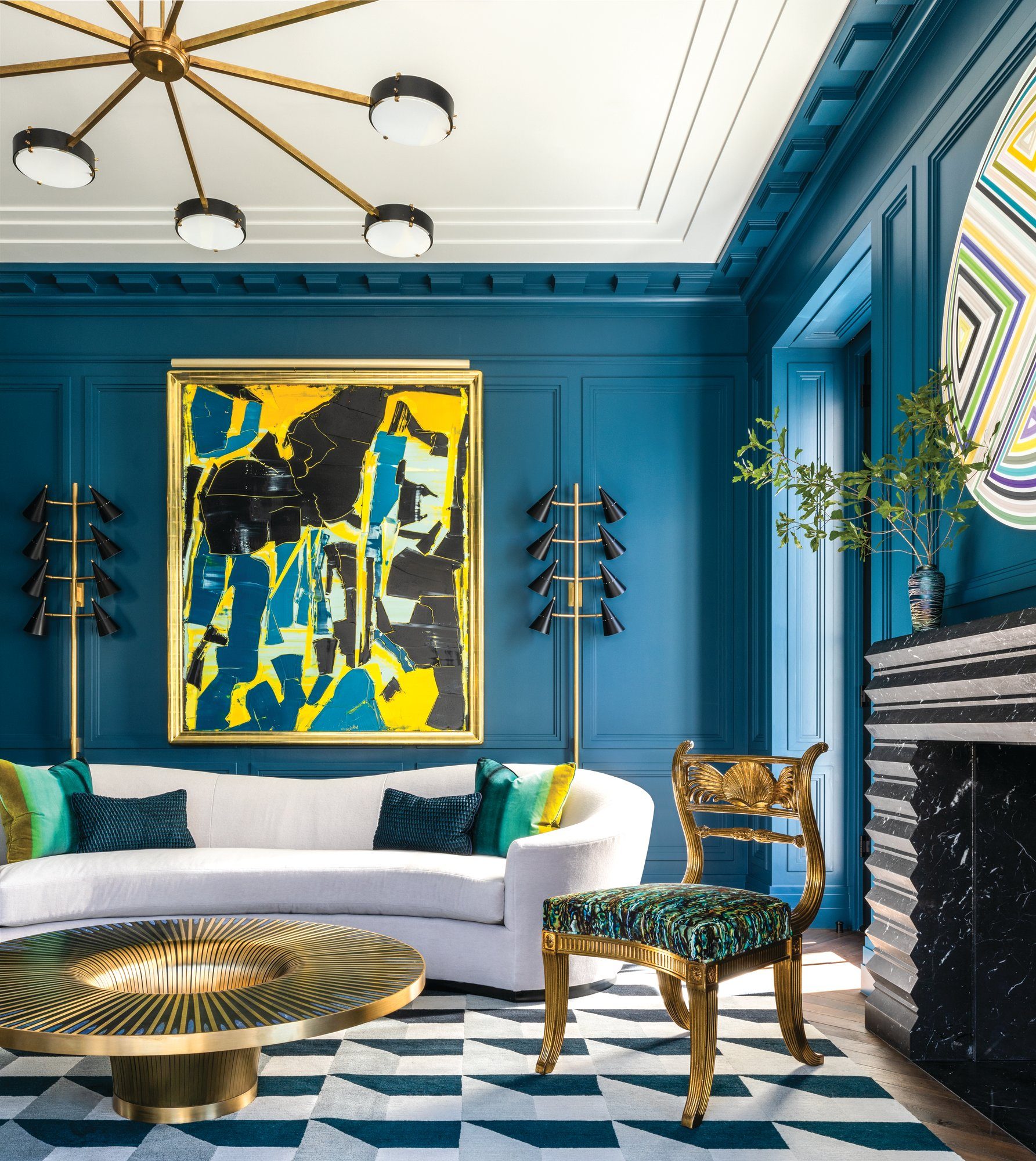
SH: Your work is described as blending the principles of classical arts with today’s most advanced technologies. How do you keep that from feeling like a contradiction?
BJ: To me, they’re complementary rather than contradictory. Classical design offers enduring principles—proportion, balance, craftsmanship, permanence. Technology allows us to execute those principles with greater precision and improve how people experience their homes. Technology should support life, never compete with beauty. The best technology is almost invisible.
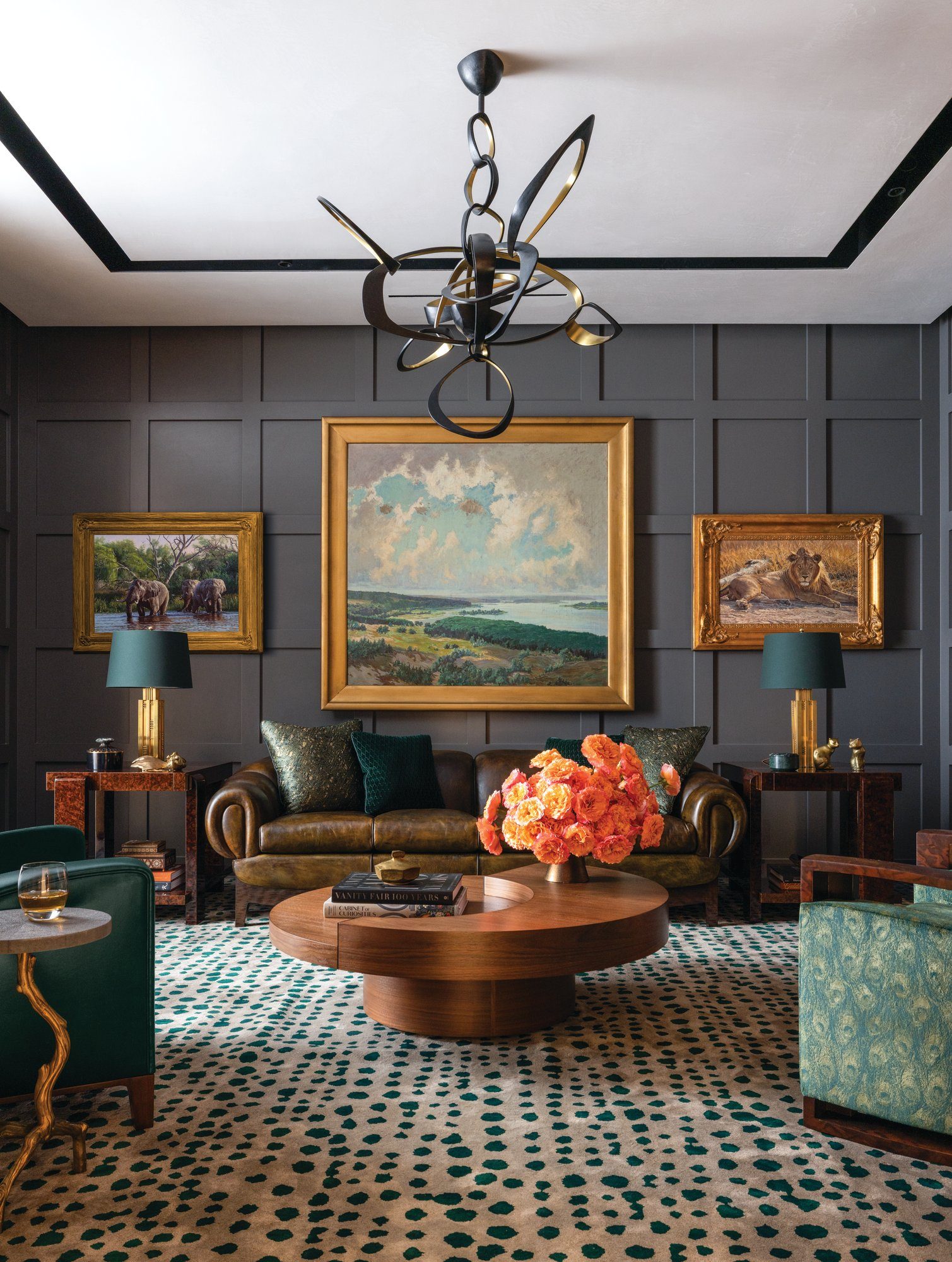
SH: You’ve described your work in terms of “clarity, balance, and disciplined restraint,” and you use the phrase “quiet harmony.” Where does that restraint come from, and what does a room feel like once it’s actually achieved?
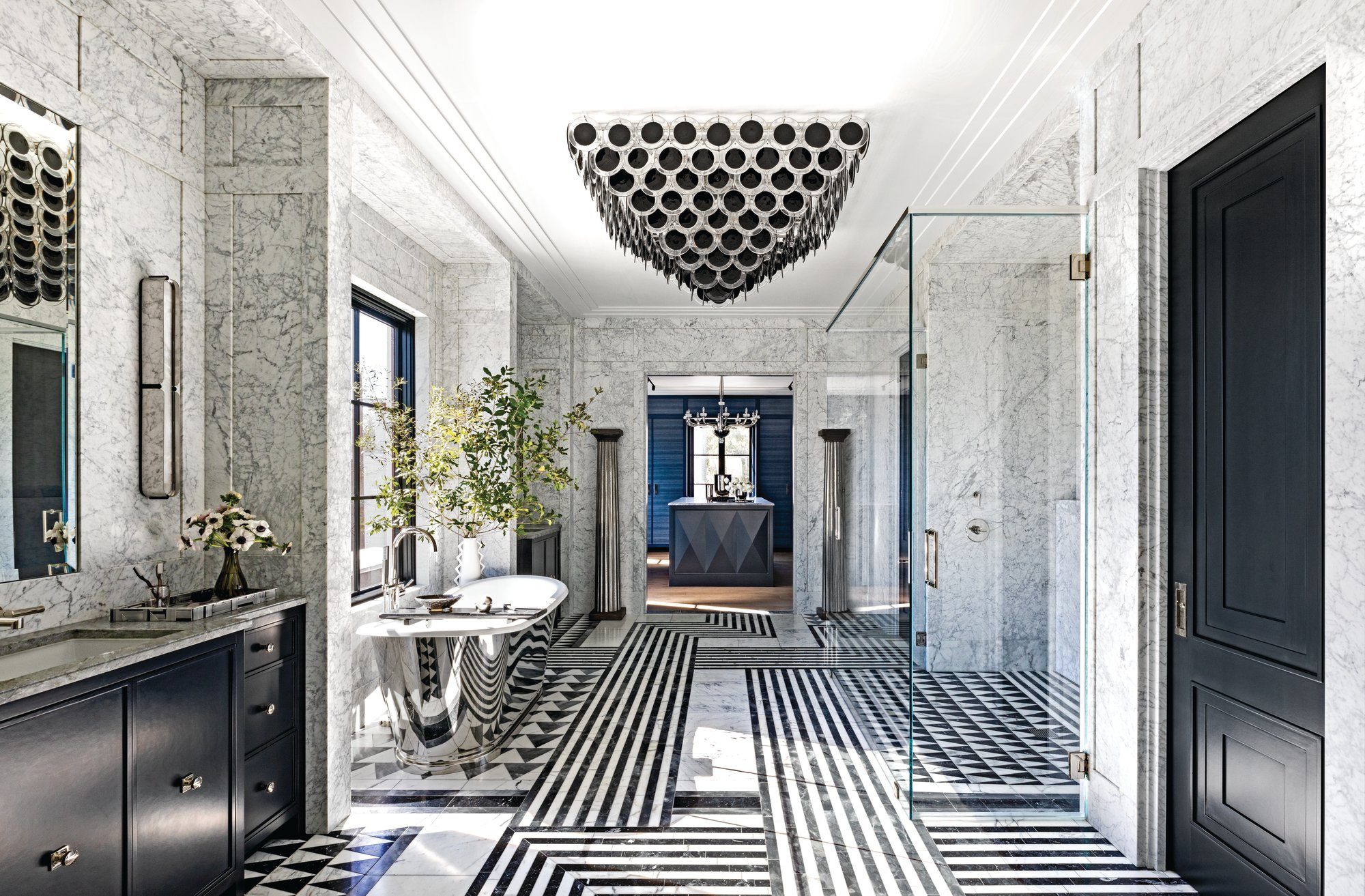
BJ: Restraint comes from confidence. It’s knowing when a room has said enough—there are always more opportunities to add another layer, another material, another statement piece, but what gives a space longevity is often what you choose to leave out. Editing is just as important as creating. When that restraint is achieved, there’s an immediate sense of ease in the room. Nothing calls attention to itself, yet everything feels intentional. You notice the light, the proportions, the textures, the craftsmanship—not because they’re demanding attention, but because they’re working together. When that harmony hasn’t been achieved, the room feels restless. Your eye never settles.
SH: How do you handle projects where you’re brought in after the architecture is already set?
BJ: Every project begins with understanding what already exists. While it’s always ideal to collaborate from the beginning, thoughtful interiors can strengthen architecture that may not have originally anticipated them. We look for opportunities to reinforce the home’s strengths, soften its weaknesses, and create continuity through materials, furnishings, and detailing. Good design is ultimately about finding solutions within the conditions you’re given.
SH: You describe each project as a bespoke expression of place and patron. How do you get deep enough inside a client’s life?
BJ: Listening is the most important design skill. We spend a great deal of time understanding how clients live, entertain, travel, and collect, and what makes them feel most at home. We’re not designing for today alone—we’re designing for the life they’ll continue growing into over the next twenty years.
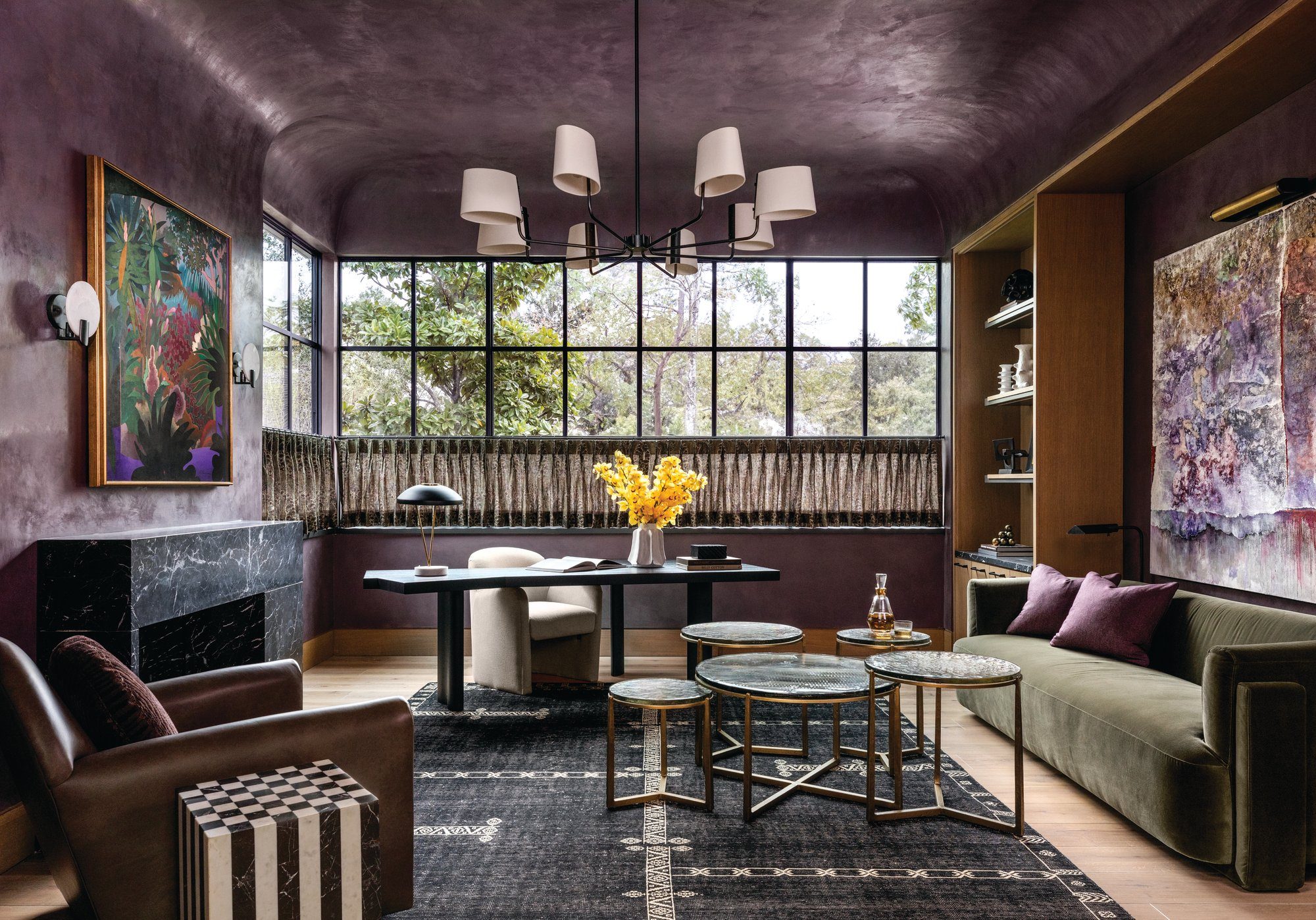
SH: What is the hardest part of the design process that never makes it into a magazine feature?
BJ: Patience. Great projects require thousands of decisions, constant refinement, and extraordinary collaboration among architects, artisans, builders, and clients. The finished photographs capture the beauty, but not the years of thoughtful problem-solving that made that beauty possible.
SH: You’re based in Houston—how do you see the city right now, and how does your international perspective shape that view?
BJ: Houston is remarkably sophisticated because it’s so international. It’s a city built on entrepreneurship and optimism, where clients are deeply curious and incredibly well-traveled, which creates an environment where thoughtful, globally informed design is genuinely appreciated. Traveling reinforces for me that every meaningful place has its own character, and Houston embraces diversity in a way that’s unlike almost any American city—that openness continually shapes our work. At the same time, Houston’s entrepreneurial spirit gives us the confidence to think globally while remaining rooted locally.
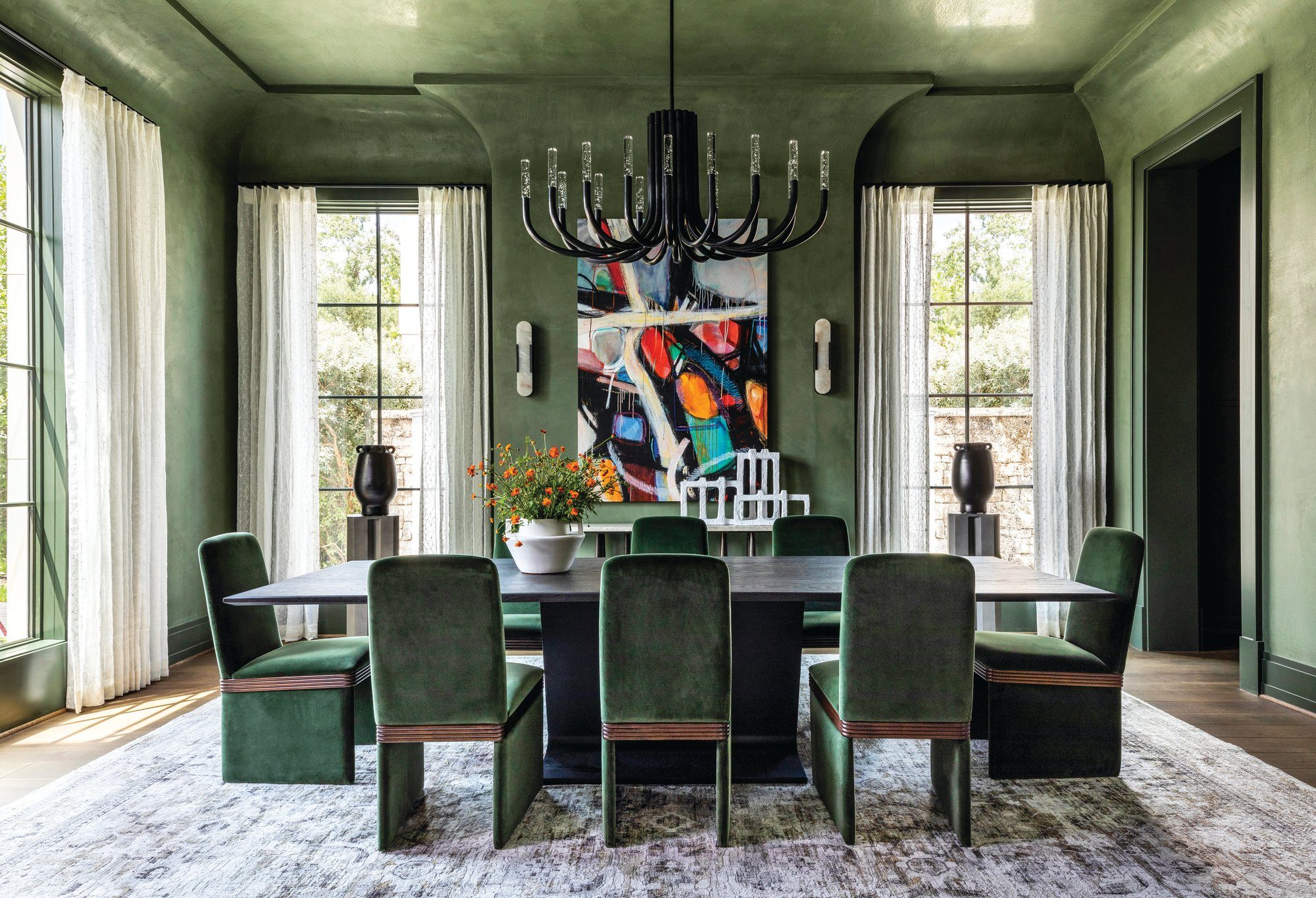
SH: How do antiques and collected pieces fit into your work?
BJ: They’re not requirements, but they often provide something that cannot be manufactured: history. Antiques introduce texture, craftsmanship, and a sense of continuity that enriches contemporary interiors. I love rooms where different eras coexist naturally rather than competing.
SH: How does exceptional design elevate entertaining?
BJ: A gracious home allows guests to feel comfortable without having to think about why. Circulation is intuitive. Lighting creates atmosphere. Seating encourages conversation. Hospitality begins long before dinner is served—it begins with how the home welcomes people.
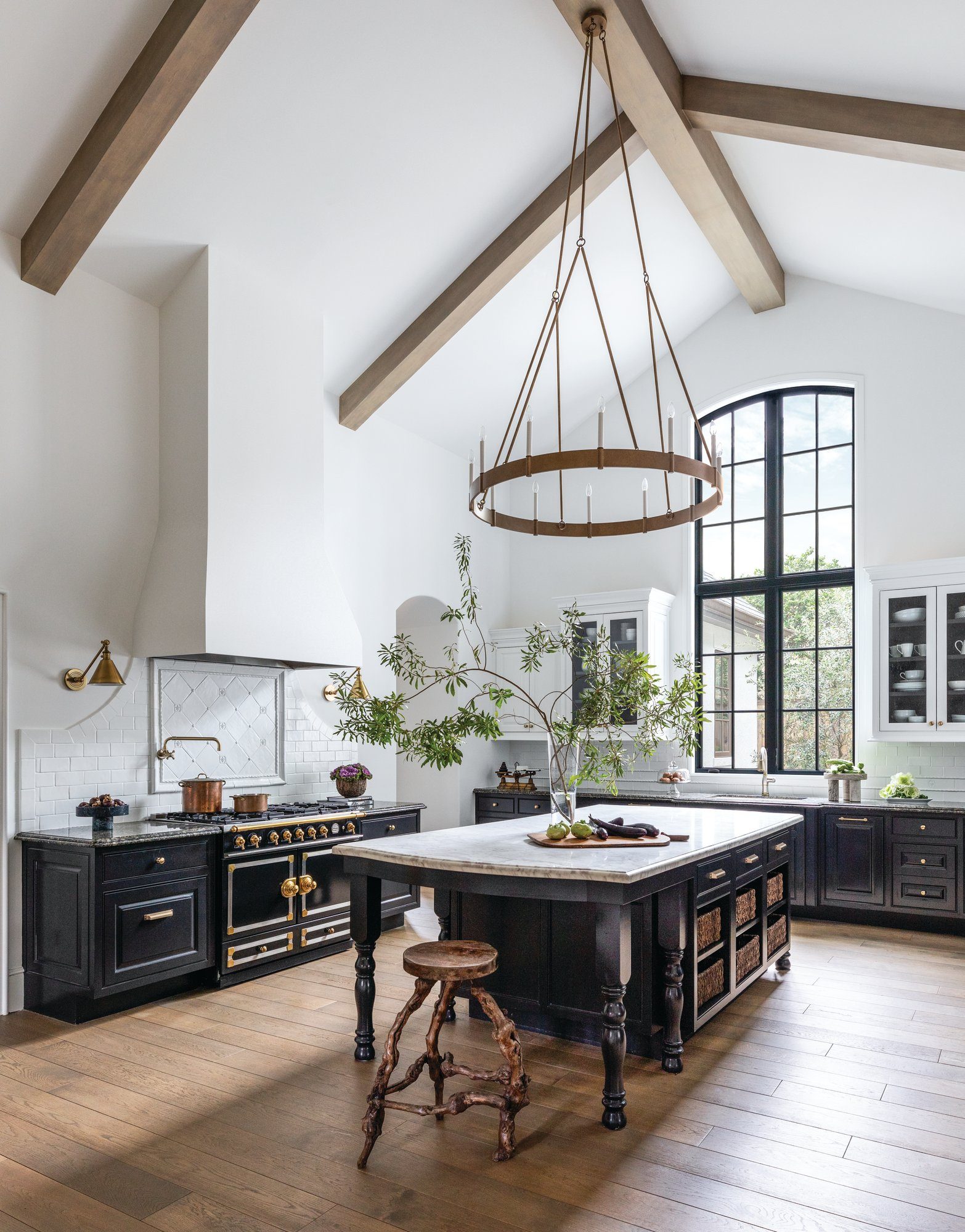
SH: As a guest, what’s the detail that tells you someone really understands how people live?
BJ: The ease of the experience. You can sense when every decision has been made with generosity in mind, from where guests naturally gather to how lighting shifts throughout the evening. The most memorable homes never feel staged; they simply feel lived in.
SH: What did creating Refined Interiors: Timeless Homes for Modern Living teach you?
BJ: It revealed patterns I hadn’t consciously recognized. Looking across years of work, I realized our projects consistently return to the same values: proportion, craftsmanship, authenticity, and restraint. Styles evolve, but those principles remain remarkably constant.
SH: What does “timeless” actually mean to you?
BJ: Timeless isn’t about recreating the past or avoiding innovation. It’s about designing around principles that remain relevant regardless of changing trends. Quality materials, thoughtful proportions, enduring craftsmanship, and authenticity never go out of style because they’re rooted in human experience rather than fashion.
SH: You have successful partnerships with Chaddock and S. Harris. What draws you to them?
BJ: Both companies share an unwavering commitment to craftsmanship. Product design is an opportunity to distill our philosophy into something that can live beyond a single project. It’s incredibly rewarding to create pieces that become part of many different homes and many different stories.
SH: How do you protect deeply considered work in the age of social media?
BJ: We stay focused on our clients rather than the algorithm. Social media rewards immediacy, but meaningful design requires patience. Our responsibility is to create homes that will still feel relevant years from now—not simply ones that will photograph well this month.
SH: Twenty years from now, what do you hope a client says?
BJ: I hope they say the home never stopped feeling like theirs, that it supports the life they dreamed of living, and that it grew even more meaningful with time. That’s the greatest compliment any designer can receive.
SH: What is next for you?
BJ: I was reminded of this saying recently that truly resonates: “The reward for good work is more work.” We want to continue doing good work as a team and hopefully building more opportunities for both our firm and all our collaborators. I’m excited about exploring new creative partnerships, but our mission remains the same: creating enduring homes that enrich the lives of the people who inhabit them.
The Lightning Round
Ten seconds per answer. No take-backs.
Favorite place to travel
Italy—its architecture, craftsmanship, food, and appreciation for beauty are endlessly inspiring.
Favorite design rule to break
The notion that luxury means perfection. Some of the most beautiful interiors have an element of tension—a vintage piece next to something contemporary or a handcrafted finish that celebrates its imperfections.
First thing you notice when you walk into a house
The quality of natural light and the proportions of the space.
What do you collect?
Art, books, and objects that tell a story through craftsmanship.
Every Southern home should have
Character. Whether it’s architectural details, collected antiques, or meaningful artwork, every Southern home should tell a story.