 Southern Home (SH): How did you begin your journey in landscape design? Have you always had a love for gardens? I understand you grew up in Panama, which sounds beautiful.
Fernando Wong (FW): Growing up in Panama, my parents were very athletic, so they were constantly taking us on runs in the park. I was not too keen on the running, but I loved going to the parks and seeing the trees and birds. But interestingly, my background is actually in interior design and architecture. When I moved to the U.S., I began working on a landscape installation crew. One day, my boss saw me sketching on a napkin during a break. He was blown away by it and asked me to start contributing design ideas in the office. The rest is history!
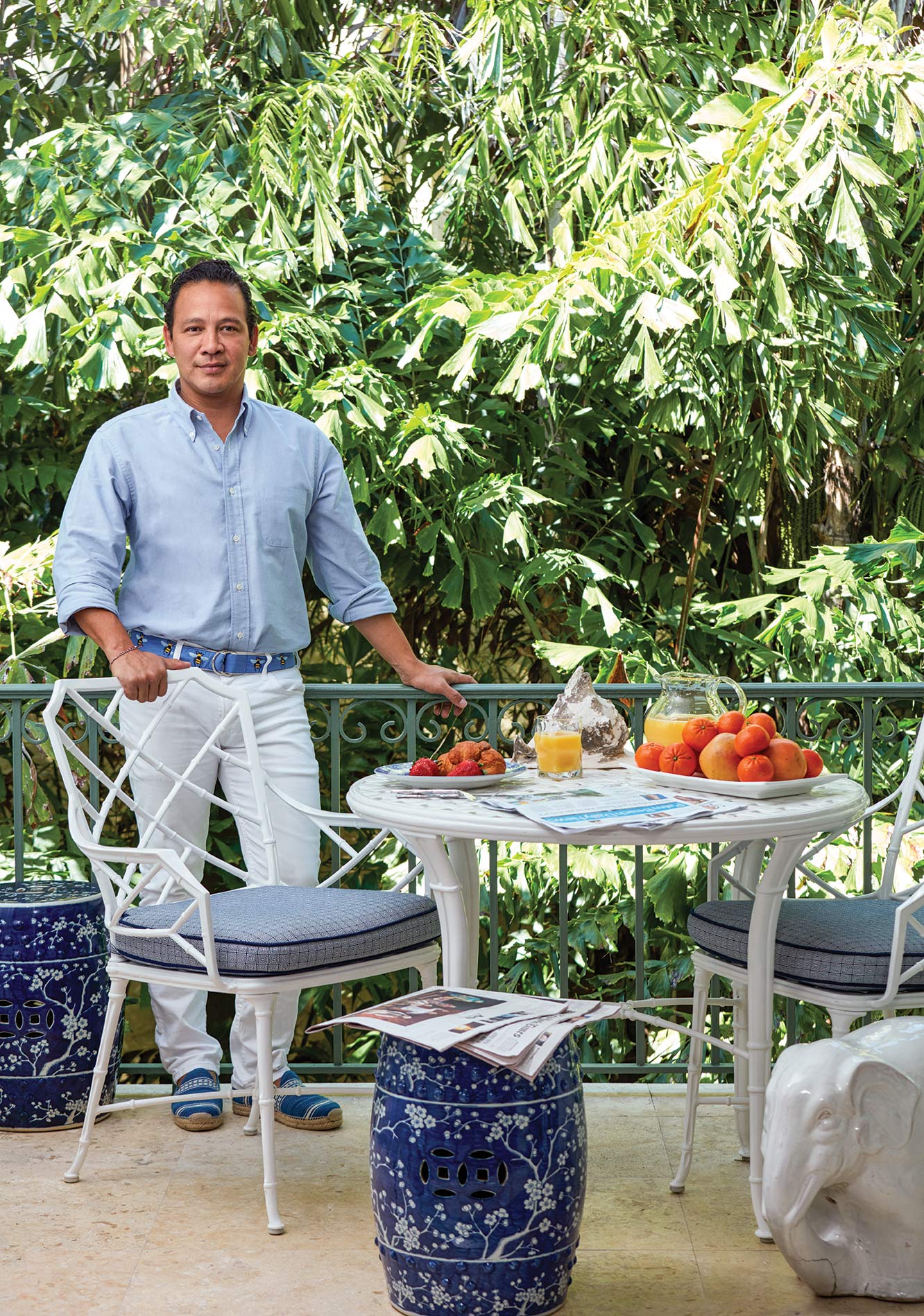
SH: It seems like the vertical surfaces are just as important as the horizontal ones in your designs.
FW: Gardens aren’t experienced from a bird’s-eye view—we take them in through windows, while walking, and as we turn corners. That’s why I focus so much on the vertical plane. Framed views, sight lines, and planted walls all help define the emotional and
visual experience of a garden. Of course, the layout matters, but what we see lives in the vertical space.
 SH: You create such impactful focal points in your gardens. What’s the key to that?
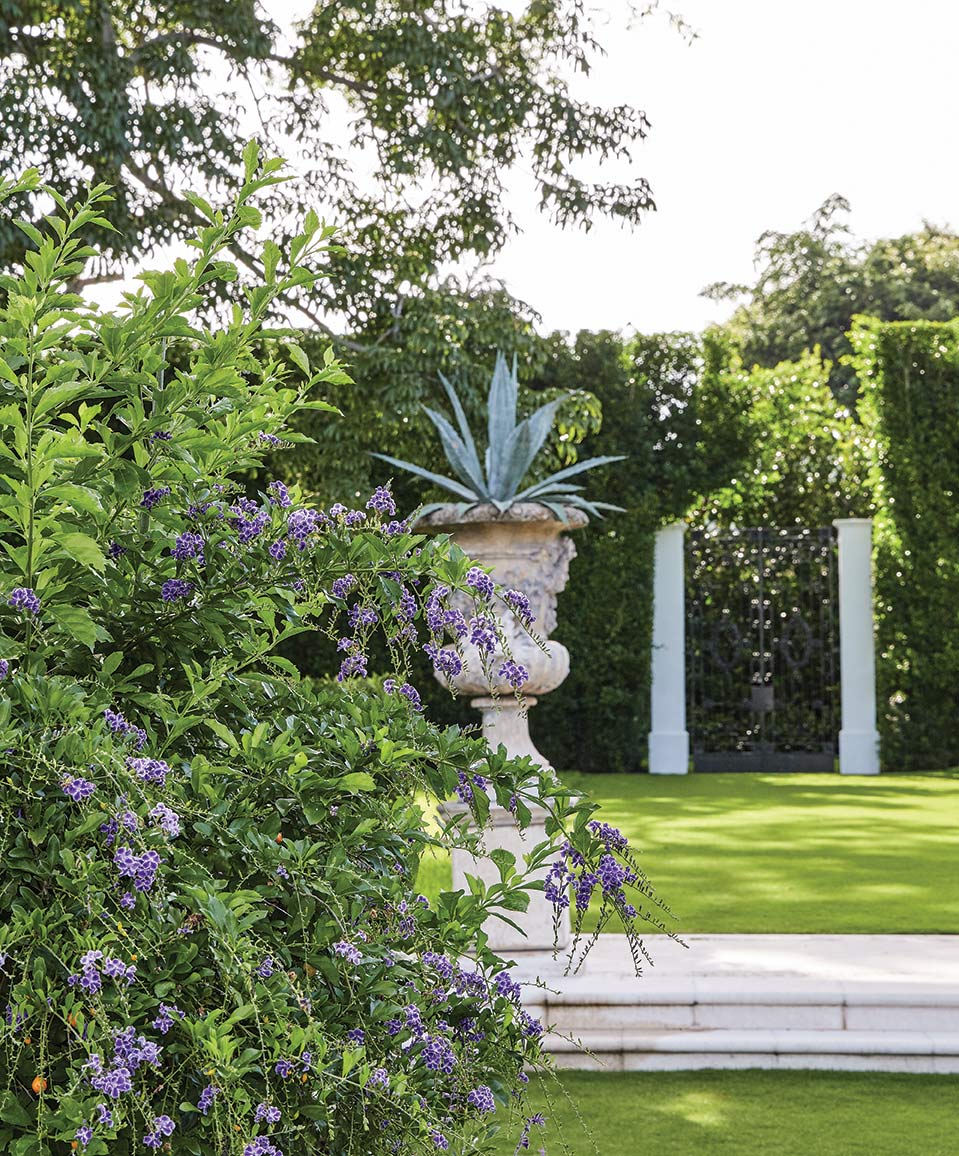
FW: Taking careful measurements is vital. But I like interesting juxtapositions of materials, such as a carved sculpture rising out of a bed against the backdrop of a hedge. Also, the scale of the garden needs to be considered when choosing containers. If you’ve got lots of space, buy the biggest containers you can find. Save small ones for intimate spaces.
SH: You’ve said you study the interiors and architecture of a project when conceptualizing a plan for the landscape. Can you explain what you look for?
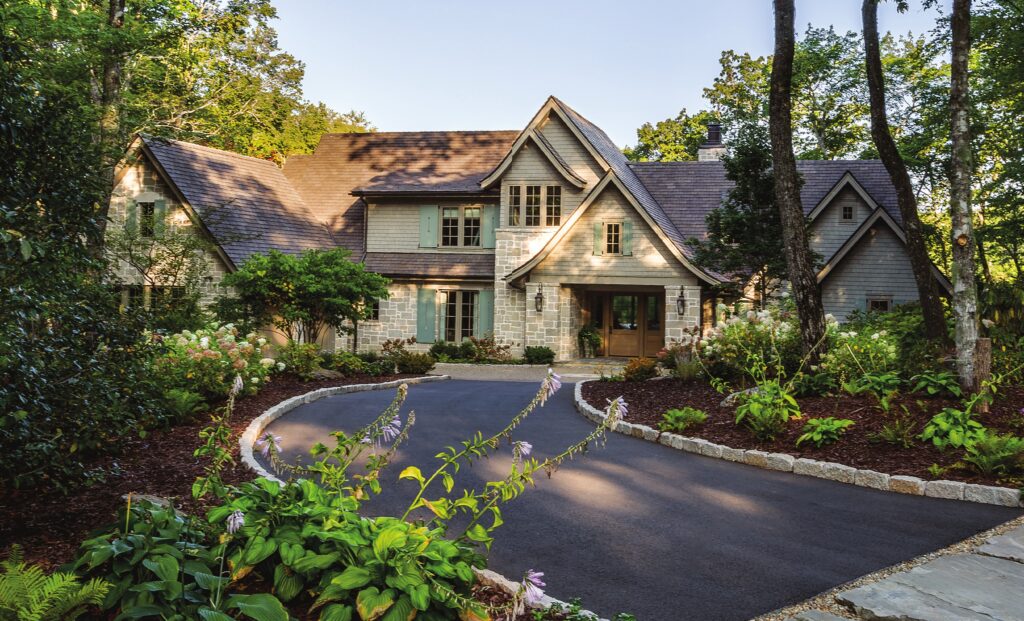
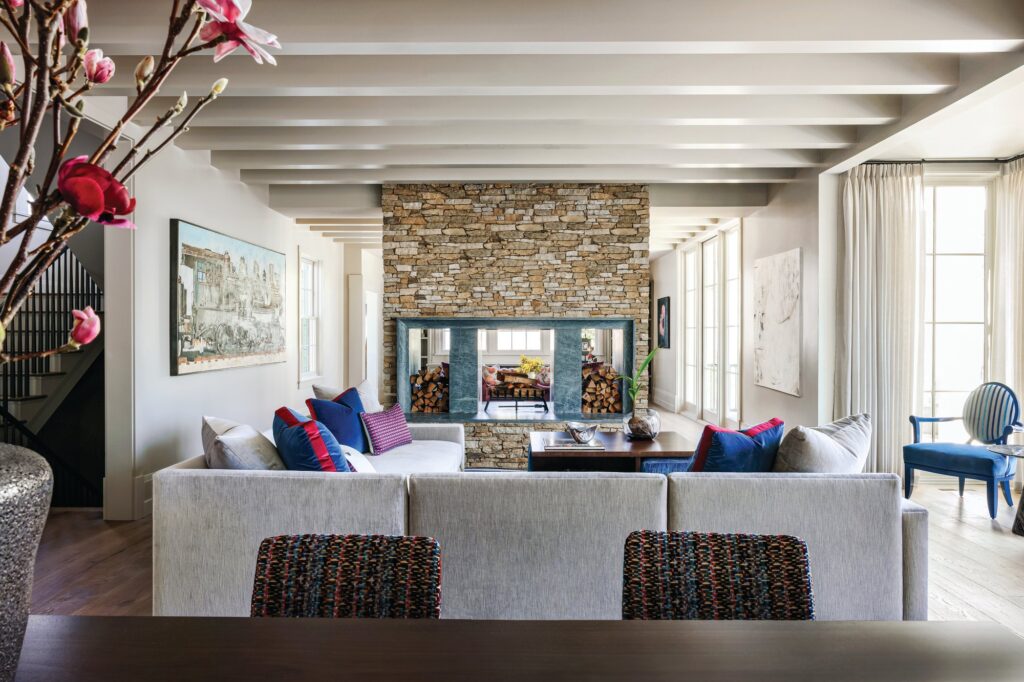
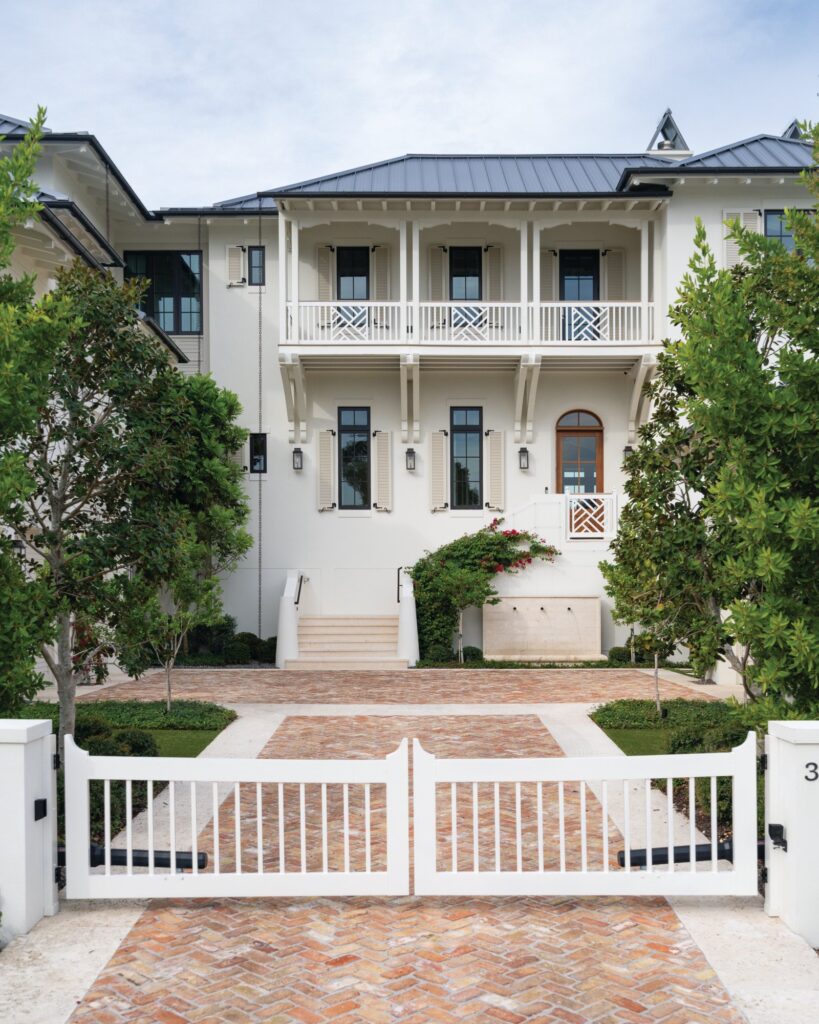
FW: I study the proportions of the interior—how rooms connect, how people move through them, and how the spaces are used. I think about how the clients will transition from indoors to out and what they’ll see from each window. It’s about creating a completely curated and cohesive experience, where the landscape feels like an extension of the home. I also focus on the colors of the garden so that they work with the interiors. We always say that the architecture is the picture, and the landscape is the frame. For a Miami house that needed a major facelift, we struggled to find the right shade. Yellow is the hardest color to get right, and beige is impossible to get right because it is just a terrible color. Inspired by the Palazzo Pisani Moretta on the Grand Canal in Venice, we chose a very pale pink color for the exterior of the house to replace the sad beige. We designed and installed handcrafted, Italian-looking metal railings and gates with exquisite bronze details. In the best of circumstances, it’s a very holistic process.
SH: You’ve said that your style of garden design is called “civilized jungle.”
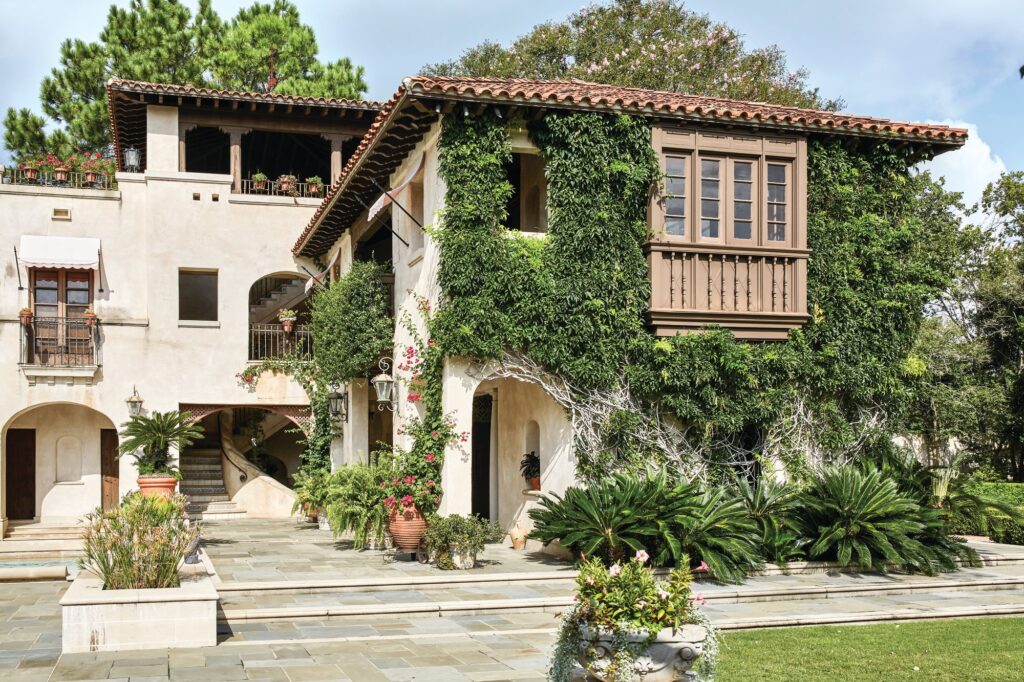
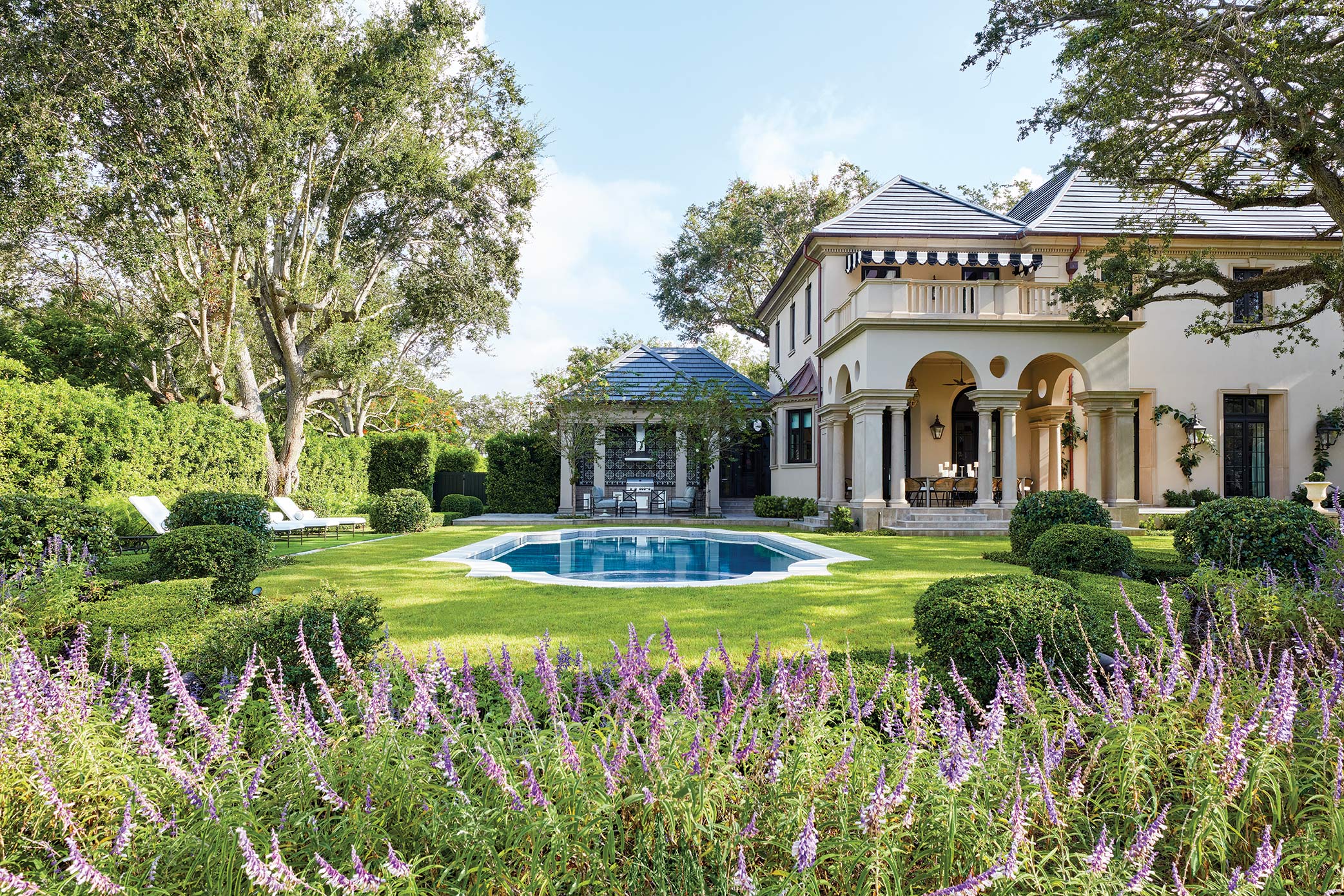
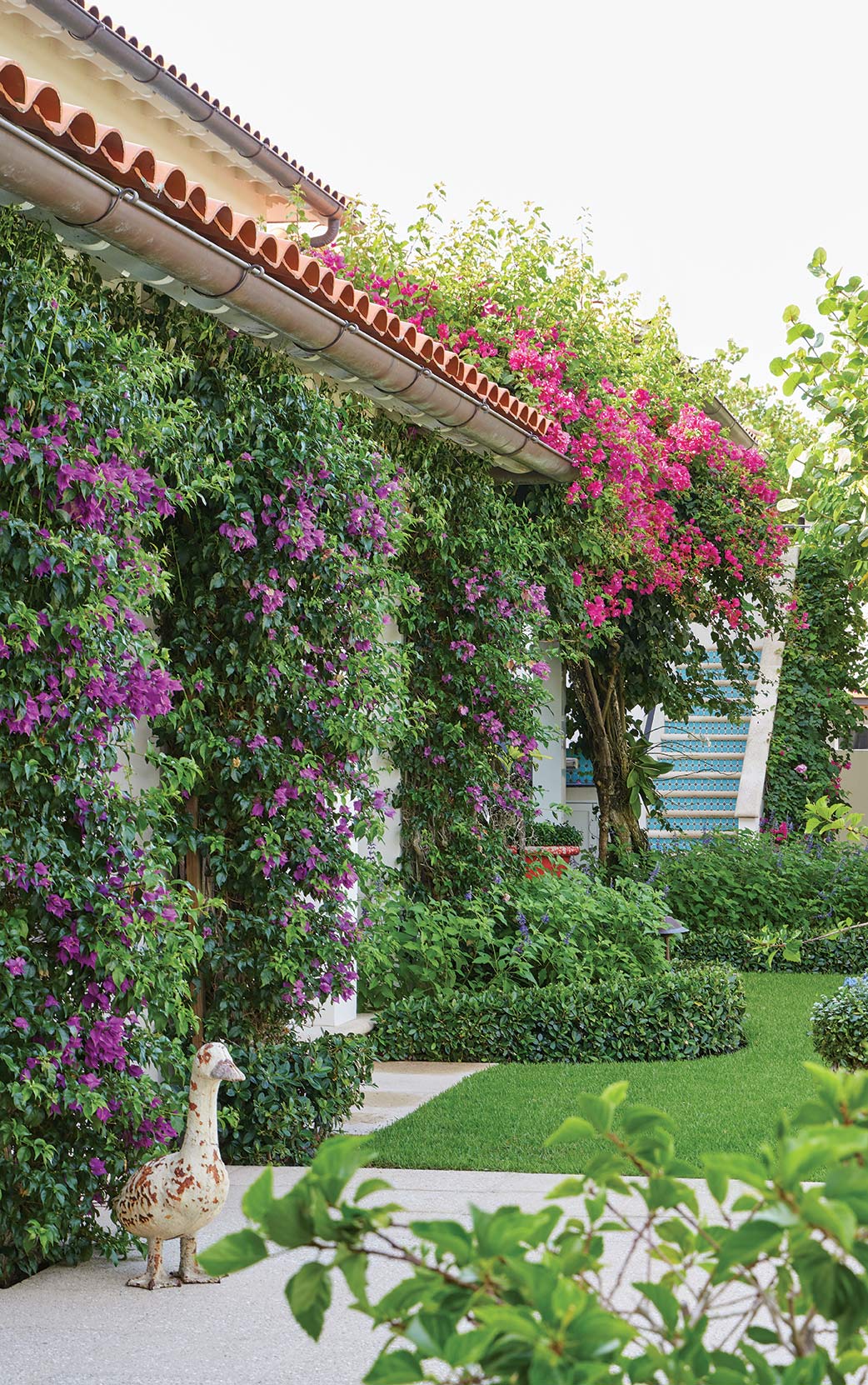
FW: Our gardens are usually formal in their design. But then we fill them with tropical plants, which evoke a wild environment. We also use low hedges to contain the mini jungles.
 SH: What are your preferred materials for hardscaping? Your courtyards especially seem so richly developed.
FW: Since many of our projects are in South Florida and the Bahamas, I often work with local materials such as Florida keystone or coral stone. They have the elegance of limestone but with natural texture and fossilized details that remind you exactly where you are. I also love how each paver tells a unique story crafted by nature.
SH: You’ve said you have an 80/20 ratio for planting. Can you expand on that?
FW: I structure most gardens with 80% evergreen, woody plant material—trees, hedges, and shrubs—that provide form, privacy, and structure. The remaining 20% is reserved for seasonal flowers or annuals. This ratio gives clients a sense of freedom while still maintaining design integrity. The 20% is where they can play, and the 80% is the constant.
SH: Can you name a few constants that appear in most of your designs?
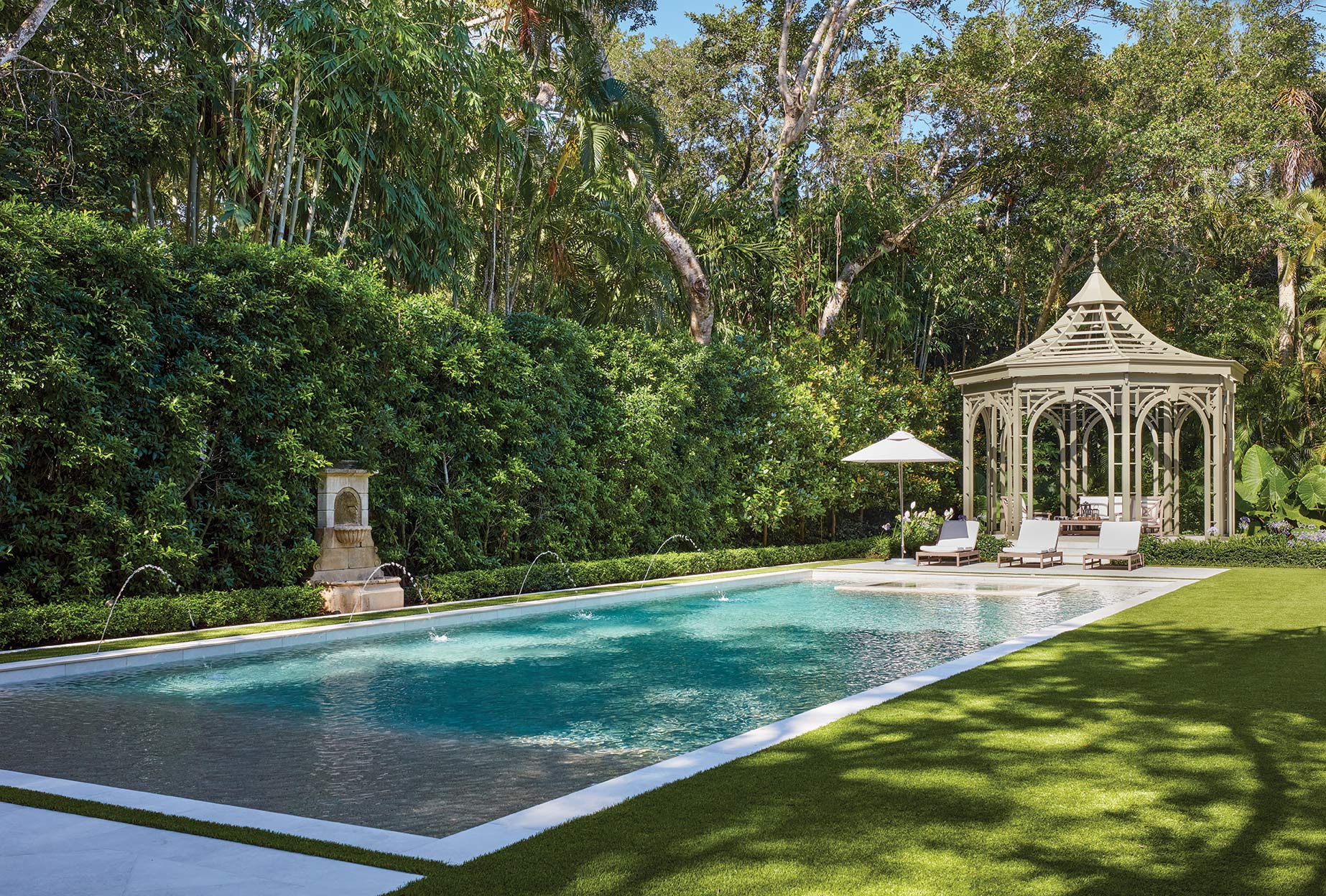
FW: Nearly all of my designs include a water feature and a lush perimeter hedge that defines the space. Especially in residential gardens, that sense of enclosure is everything—it creates privacy, quiet, and magic. Without it, the garden feels exposed and unfinished.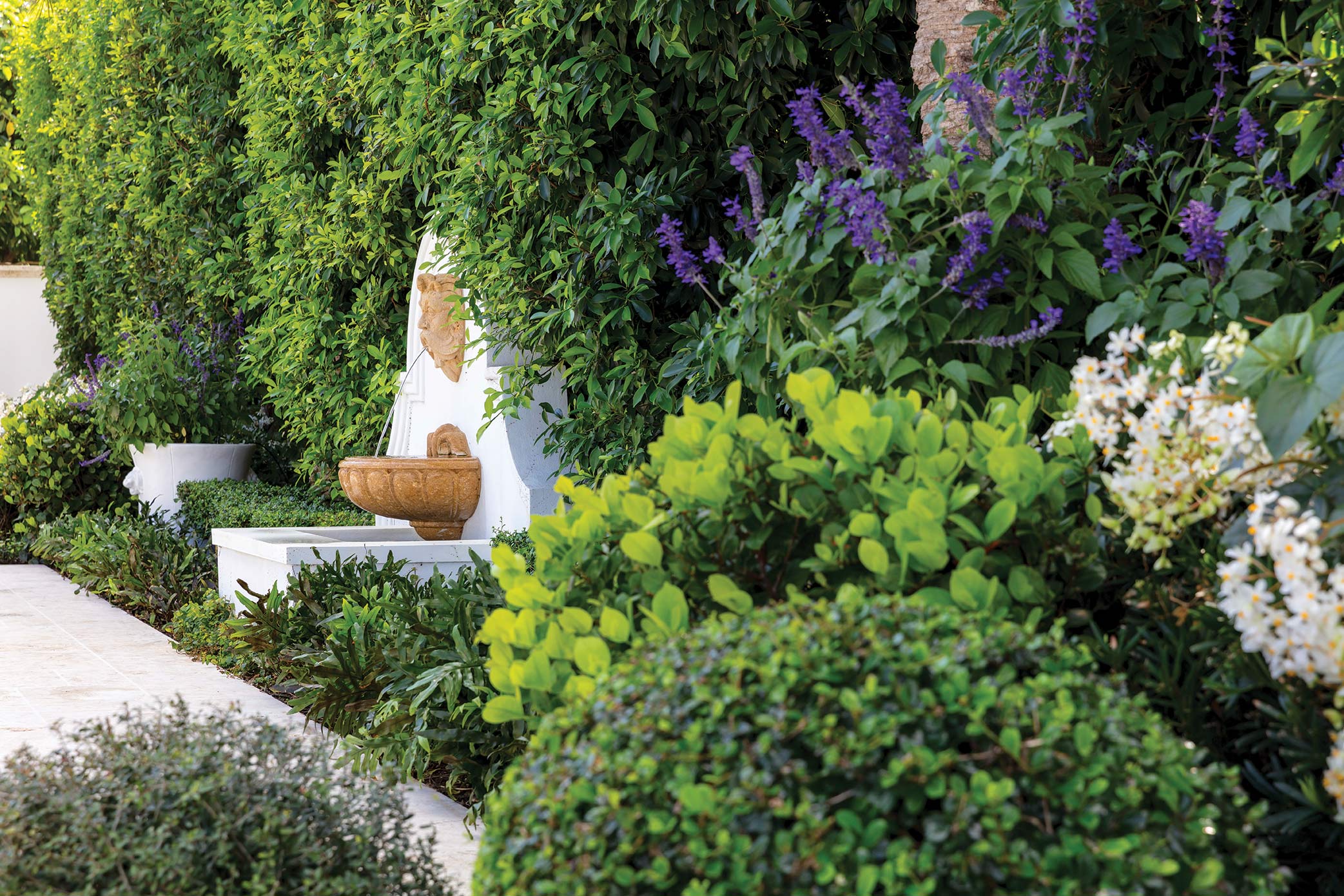
SH: What materials do you choose for hedges?
FW: I like ficus, Clusia, and Calophyllum. We use native species that can thrive in this climate and that don’t require pesticides and chemicals. If you plant natives, they attract the insects, which attract the birds, so you have a whole native ecosystem.
SH: What’s your preferred type of grass and why?
FW: Nothing compares to a well-maintained Diamond Zoysia lawn. The texture is soft and luxurious, and it holds up beautifully in our climate. Best of all, it feels like a soft carpet when you walk on it.
 SH: You’ve worked with all the best designers and architects. How do those collaborations work?
FW: Our most successful projects are the ones in which the client picks a strong team early on and lets the team collaborate to create something truly spectacular. Thanks to the wonderful collaboration we have had with other design professionals, including interior designer sand architects, we are able to work together to create an exquisite result.
SH: What are some design trends that you are seeing in your recent work?
FW: People want their homes to have the amenities of a resort. We are putting in a lot of outdoor movie theaters, kitchens, and water features. And of course, pickleball courts! In Miami and Palm Beach, people are buying the house next door and tearing it down to create a bigger garden or add a pool. Our work has shifted from being all over the country to becoming concentrated in Miami, Palm Beach, and the Bahamas. These places have exploded with people migrating from the Northeast and West Coast because they want to spend the majority of their time outside. They’re putting in enormous amounts of money—up to $7 million or more—for resort-style landscapes.
SH: Every Southern garden should have…
FW: A folly. I love adding a small architectural structure that anchors the garden. The whimsical proportions of the pigeonniers of Louisiana are a favorite inspiration.