A long-standing favorite for holiday table decor, candelabras have an illuminating history marked by shifting terminology and appearances. When used in the context of ancient Roman and Etruscan history, candelabras are tall metal stands, often made of bronze, which were designed to hold oil lamps or candles.
It was not until the Middle Ages that the candelabra form with which we are more familiar today, that of a branched candleholder, was developed. Often found in churches and places of worship and frequently used during religious ceremonies, early multi-arm candelabras resembled altar sticks with their prickets, or spikes, that held candles in place. It was not until the late thirteenth century that socket candleholders were developed, which allowed candles to be nestled within the holders, creating a more seamless design.
Both a necessity and a luxury until well into the nineteenth century, candles could be prohibitively expensive, which meant that their use was carefully considered, even in the wealthiest households. Instead of needlessly burning candles in rooms that were not in use, portable candlesticks moved with a person as they traveled from room to room.
 Candelabras, on the other hand, tended to remain stationary because of their heft. Sometimes displayed on candlestands known as gueridons, candelabras were more often used on dining tables starting in the later part of the eighteenth century, when the main meal of the day began to be taken in the late afternoon or early evening. Two- and three-armed candelabras, which were the norm for the time, bathed diners in candlelight, enhancing the enjoyment of the meal by allowing them to see the food laid before them.
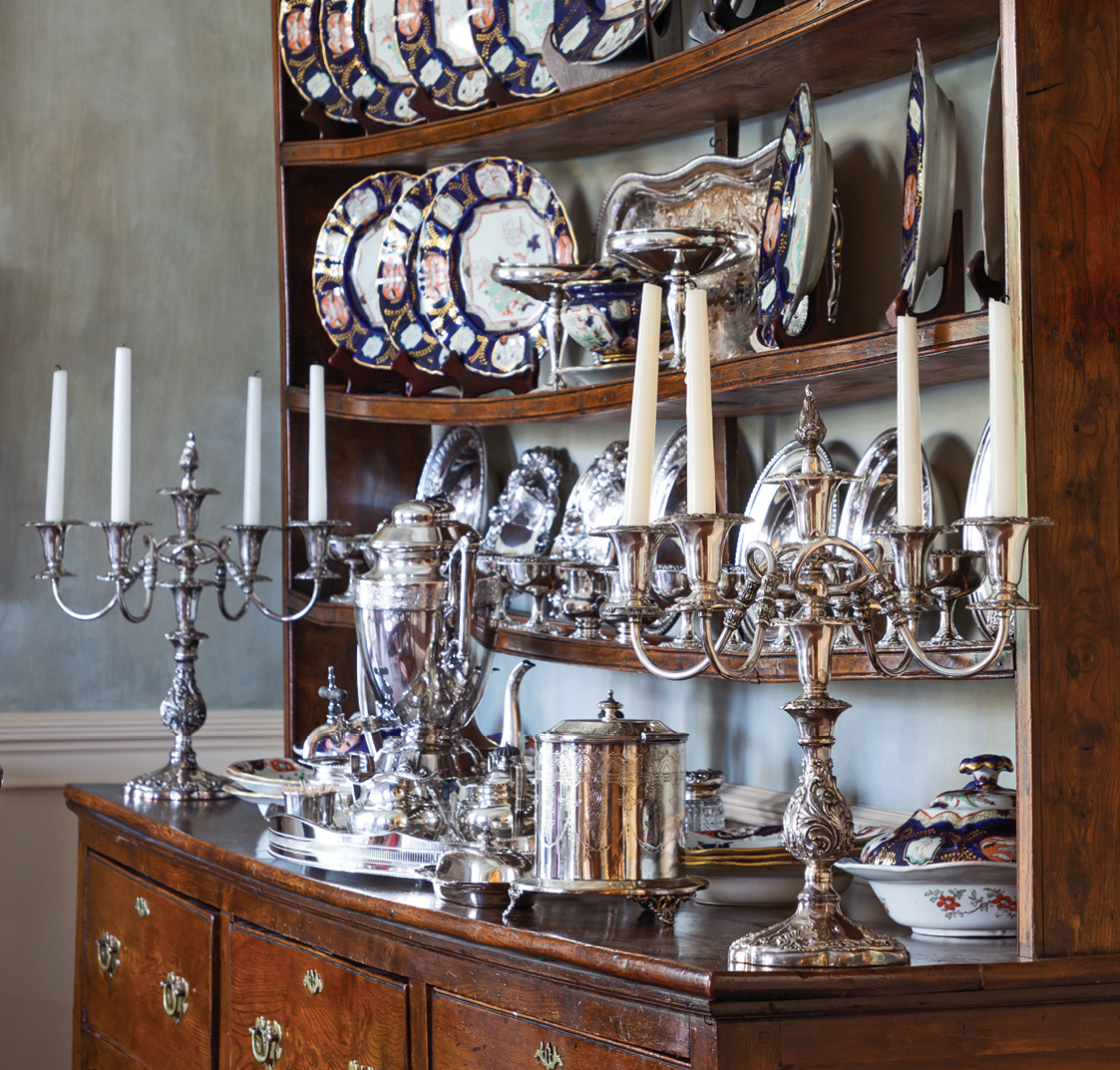
Like many decorative accessories of the eighteenth and nineteenth centuries, candelabras were crafted from a variety of materials. Porcelain and glass candelabras were produced, but it was silver and gilt bronze that proved to be the more popular, not to mention dazzling, mediums.
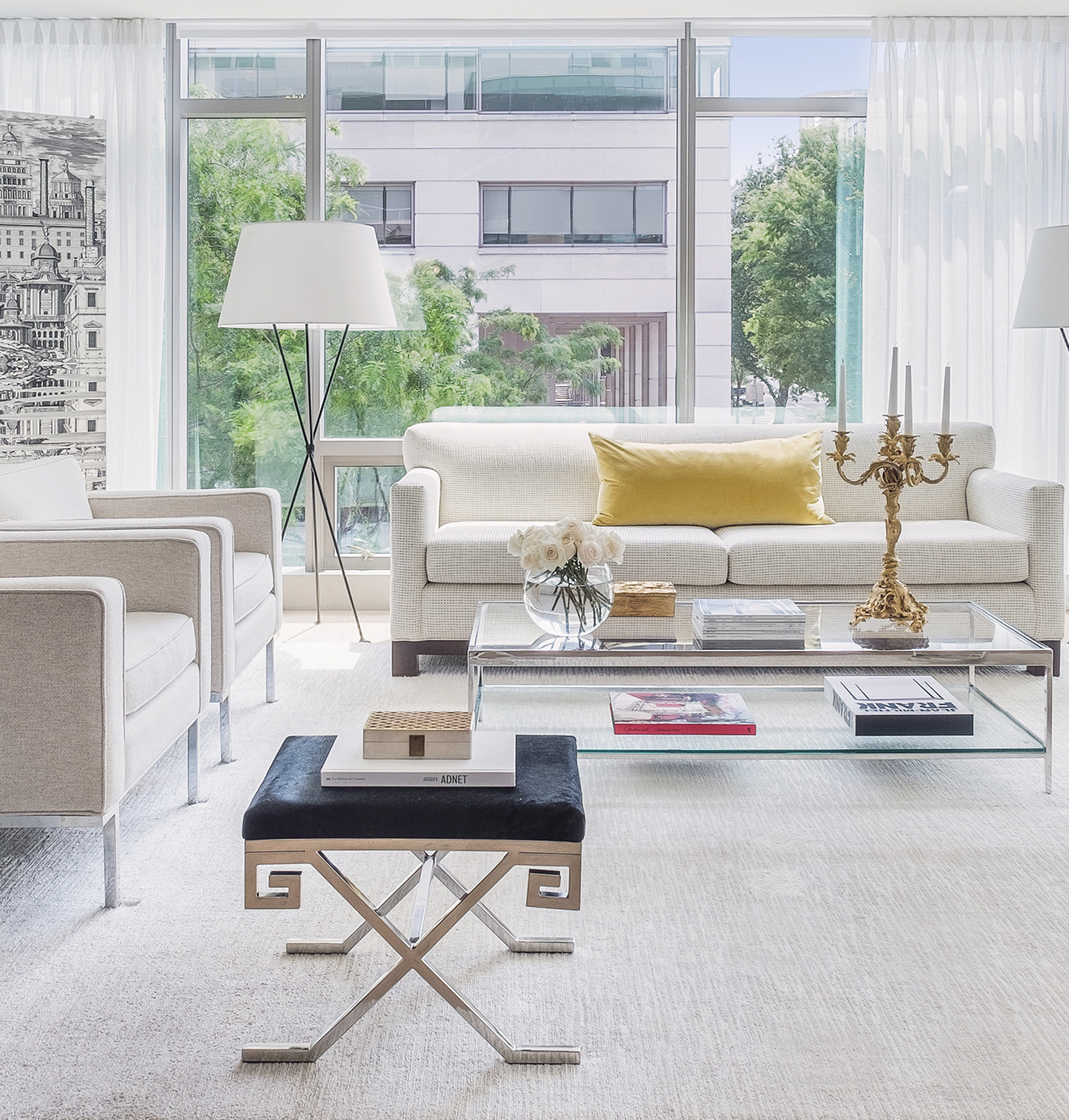 Some eighteenth-century gold and silversmiths were so keen to showcase their considerable talents that they produced candelabras that were highly intricate, including designs that featured three-dimensional mythical figures and natural motifs. In many European royal courts, it was not uncommon for dining tables to be lavishly set with magnificent silver services comprised of coordinating tureens, wine coolers, serving dishes, and candelabras.
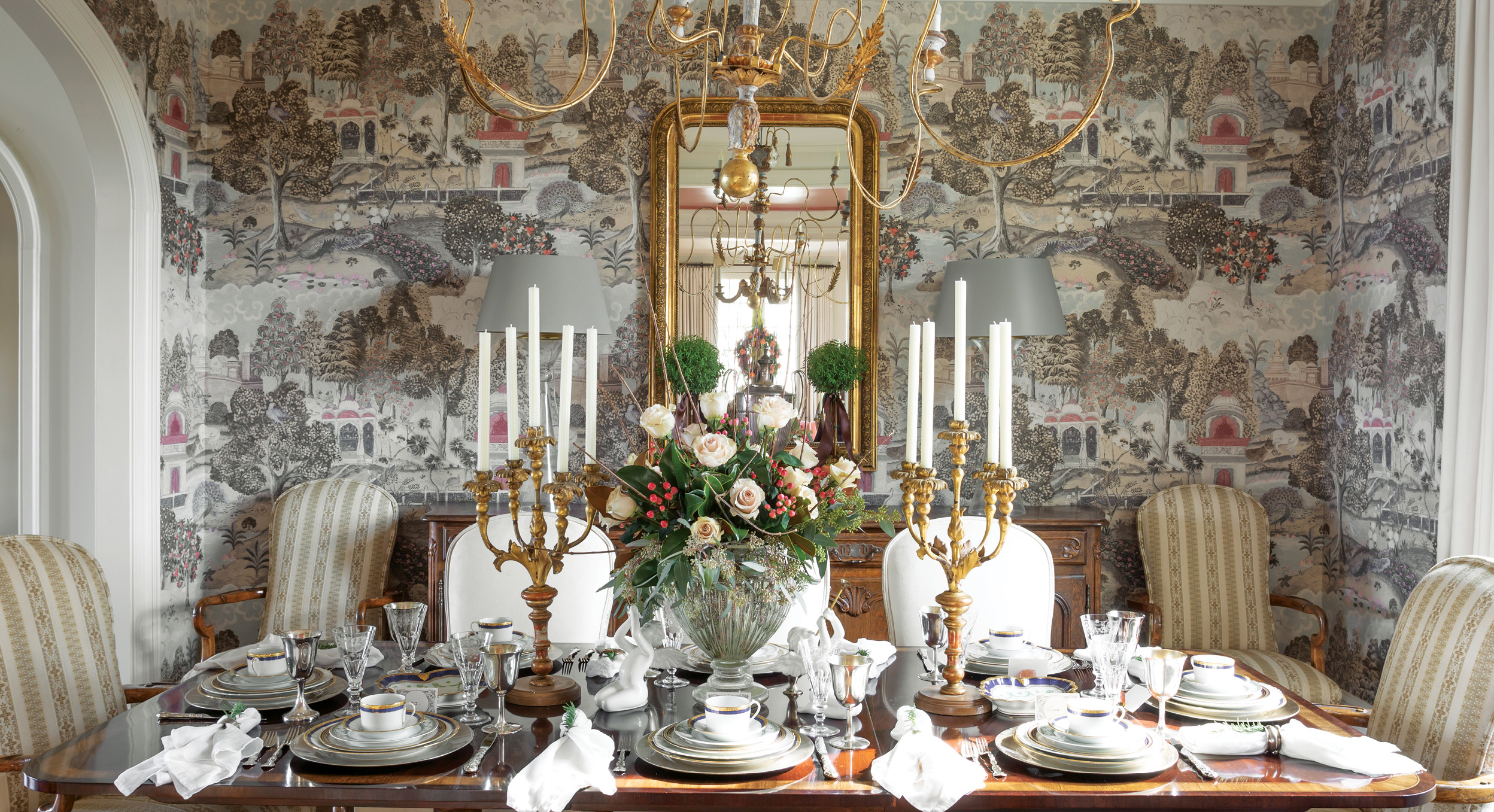
Some might say that candelabras reached their pinnacle in the nineteenth century. In response to the increasingly elaborate dinners that were being hosted in wealthy households, candelabras grew to new heights, towering over tables laden with equally grandiose decor, such as showy floral arrangements, silver epergnes, and mirrored surtout de table.
However, unlike most table ornaments of that era, candelabras managed to avoid obsolescence thanks to their incomparable glow. Even after the introduction of electricity, many hosts and hostesses continued to illuminate their dining rooms and tables using candlesticks and candelabras, which provide a far more flattering form of light. Despite the multitude of lighting options available today, a candlelit table remains the standard for elegant entertaining, thereby earning the candelabra a well-deserved seat at the table.
 Need to KNOW
• Derived from the Latin term candela, meaning “candle,” the word “candelabra” was traditionally used as the plural form of “candelabrum” and continues to be used by some today. The modern usage is “candelabra” for one candleholder and “candelabras” for two or more.
• An avid collector of antique and modern candelabras, Ann Pyne of the design firm McMillen Inc. appreciates the workmanship often seen in fine antique forms. “The elaborately wrought surfaces of neoclassical and rococo candelabra are amazing from an aesthetic point of view, even more so because they fractured the light of the candles they supported and multiplied it, helping to extend the brightness of burning wicks into the dark corners of a room.”
• Pyne advises one to look for antique candelabras that hold modern candles securely. If they do not, a bit of museum wax in the base will help to keep candles upright.
• When buying antique candelabras, Pyne suggests looking for examples that make a statement. “Look for antique models that are bold, because you want to be able to appreciate them from a distance.”