Text Blake Miller
Photography Dustin Peck
Styling Eleanor Roper
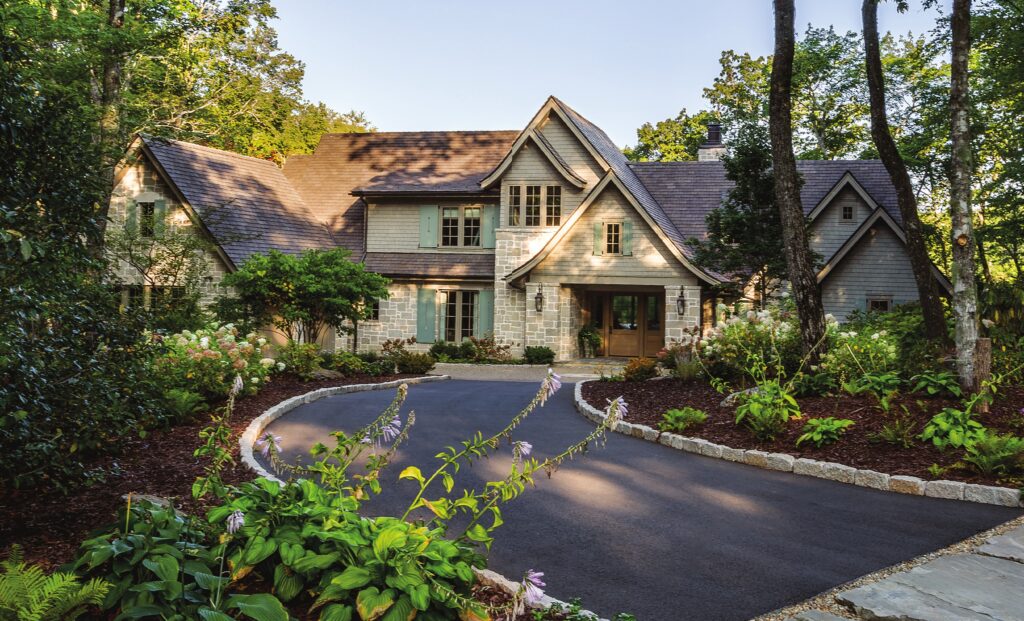
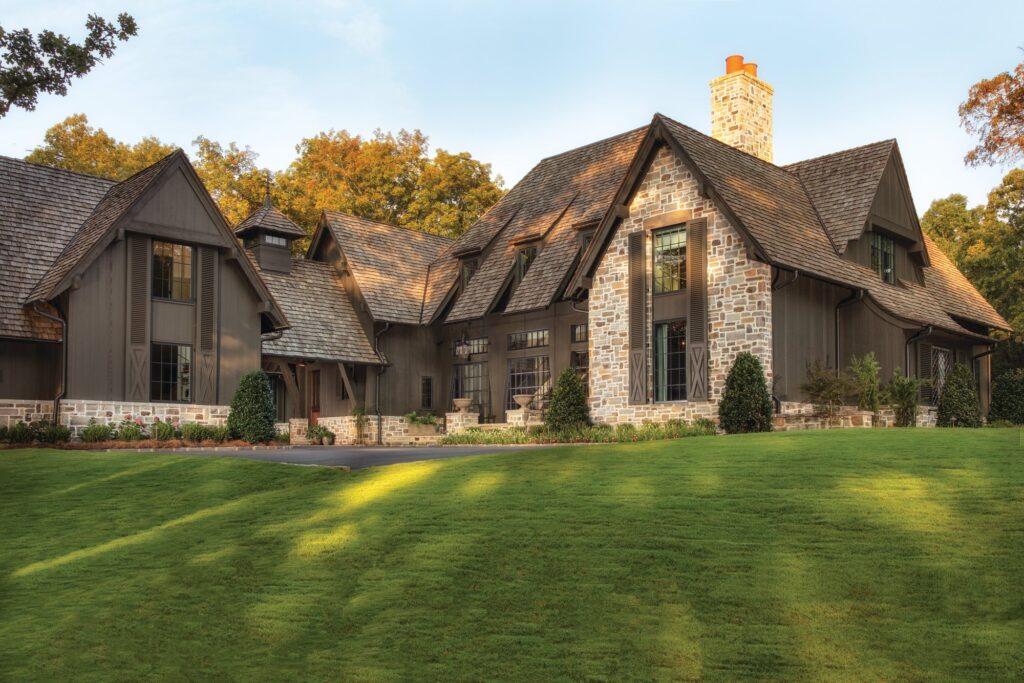
Architectural designer Garrett P. Nelson has a type. “I love a good roofline.” He laughs. “I love a soft radius and very steep pitches, double and triple gables, all of which were philosophies of famed British architect Edwin Lutyens. We think one of the significant design elements of all our homes is that when people see them, they can easily identify that they were designed by our firm.”
Garrett Nelson and Traci Zeller Push the Envelope in this Charlotte Home

Garrett Nelson and Traci Zeller Push the Envelope in this Charlotte Home

Garrett Nelson and Traci Zeller Push the Envelope in this Charlotte Home

Garrett Nelson and Traci Zeller Push the Envelope in this Charlotte Home

Garrett Nelson and Traci Zeller Push the Envelope in this Charlotte Home
 Nelson’s architectural calling card, though, goes well beyond elegant, intricately designed rooflines. For the Southern architectural designer, much of his eponymous firm’s work places an emphasis on front porch living, a throwback, if you will, to days when homeowners frequented the front of their homes to relax versus retreating to a private backyard. “That’s one of the more redeeming qualities that makes our work more identifiable,” he explains of his architecture philosophy, which pulls from different historical eras and architects. “We bring that energy back to the street and the front of the home. In today’s world, with the scale of some of these large homes, everyone wants that private backyard, so the homes of today essentially turn their backs to the street. There’s this inherent lack of energy in doing that.”
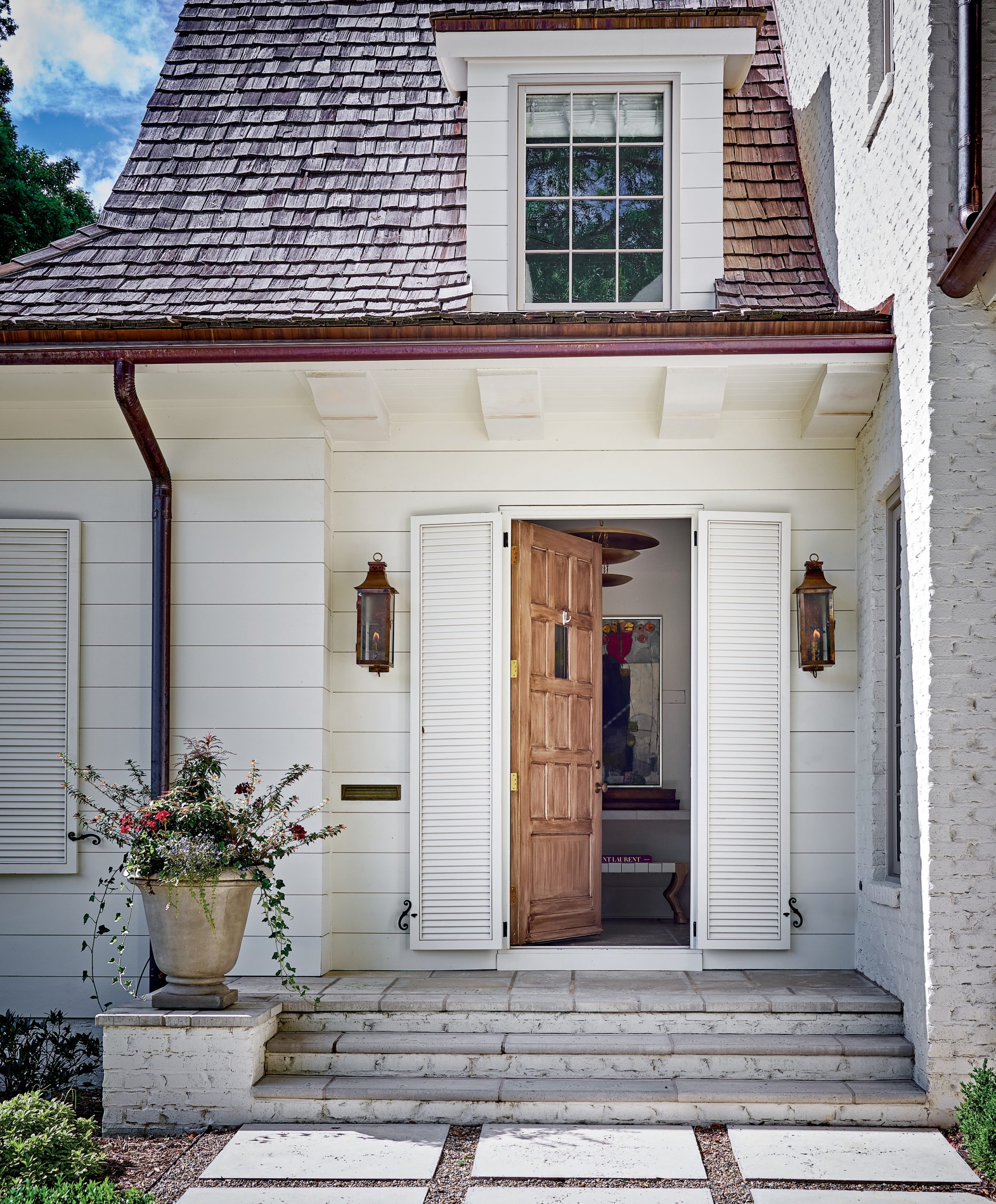
So when a project in Charlotte, North Carolina, in a pedestrian-friendly neighborhood came across his drawing board, the architectural designer knew that coupling those two design principles—intricate rooflines with front porch living—was essential to its overall aesthetic. Nelson set to work designing a unique exterior with multiple steep pitched and swooping rooflines, gables, dormers, opposing chimneys, and, of course, a deep front porch. Nelson’s architectural approach seamlessly flowed into the interior where the ceiling height and shape varies throughout with surprising but subtle architectural details in the millwork unfolding from room to room.
Those architectural details are what designer Traci Zeller used as a road map when designing the interior of the home for her clients. While Nelson drew the home for the previous owners, Zeller saw how special the architectural designer’s work was in the home and used it as inspiration. “We inherited a really fantastic architectural envelope from Garrett,” explains Zeller. “Garrett’s architecture is incredible and very current without being trendy or contemporary—it feels really fresh, and that’s exactly the path my clients wanted to go with the interior design. I feel that architecture dictates a lot of the interiors. I don’t like houses where there’s a disconnect between the architecture and interior design. You can certainly insert different elements and add something that’s a little unexpected, but ultimately I love when they complement one another.”
Having worked with Alicia and Jeff Harris on their previous home, Zeller was in tune with her clients’ nuances, how they lived in their home as a family of four, and, ultimately, how they wanted to grow in the space as their children got older. “Our previous home was very traditional inside and out,” says Alicia. “And Traci did an excellent job with it. But as our daughters grew up, our tastes evolved, too. When we first saw this home, we knew it was a little outside the box for us. But what we loved about it were all the things that were different: the design was open and bright and full of sunshine.” That light, bright, and airy feeling is reflective of Nelson’s architecture, which incorporates large floor-to-ceiling windows that pour natural light into every space. The layout of the home also offers a view to the back courtyard from every room. “There’s a movement and flow to the home that our last house didn’t have,” adds Alicia.
The homeowners’ teen daughter wanted purple in her room, so to appease both Mom’s desire for a sophisticated design and child’s desire for a bold hue, Zeller opted for the CB2 canopy bed with custom Designers Guild amethyst fabric.
While Zeller often repurposes her clients’ existing furniture and accessories into their new home, in this case she saw a disconnect between the former house and this more modern setting. “All the beautiful details that Garrett does so well—the architectural work, cove ceilings, and refined millwork—it’s not traditional but not contemporary either,” says Zeller. “It’s taking these classical elements and applying them in ways we don’t tend to see in older homes. And the furnishings needed to reflect that more modern architectural aesthetic.”
In lieu of heavier, dark woods, Zeller opted for clean lines, such as in the dining room, where a sleek pedestal table with a custom top coupled with Arteriors chairs sit in front of a custom modern installation of blue butterflies by artist Stephen Wilson. The open dining room gives way to an opposing living room, which features the same modern lines and finishes with a pair of bench seat sofas by Vanguard Furniture and a large rectangular coffee table by Artistica Home. “The space really feels balanced but still light and airy, peaceful, calm, and restorative,” says Zeller. “It just feels good to me.”
The same can be said for the remainder of the home, where the designer seamlessly layered texture and subtle pattern to soften the more modern architectural details. Though Zeller and Nelson didn’t collaborate on the home’s design initially, the design experts consulted each other on the Harrises’ interior design and thus have an overwhelming respect for each other’s work. “We had such a great foundation to work with thanks to Garrett,” says Zeller. “This home truly fits Alicia and Jeff and their daughters.”
Alicia adds, “Traci is always such a pleasure to work with—she’s so organized and so thoughtful, and this was yet another example of that. We love this home.”