Text by Karen Carroll
Photography courtesy of Beth Webb Interiors
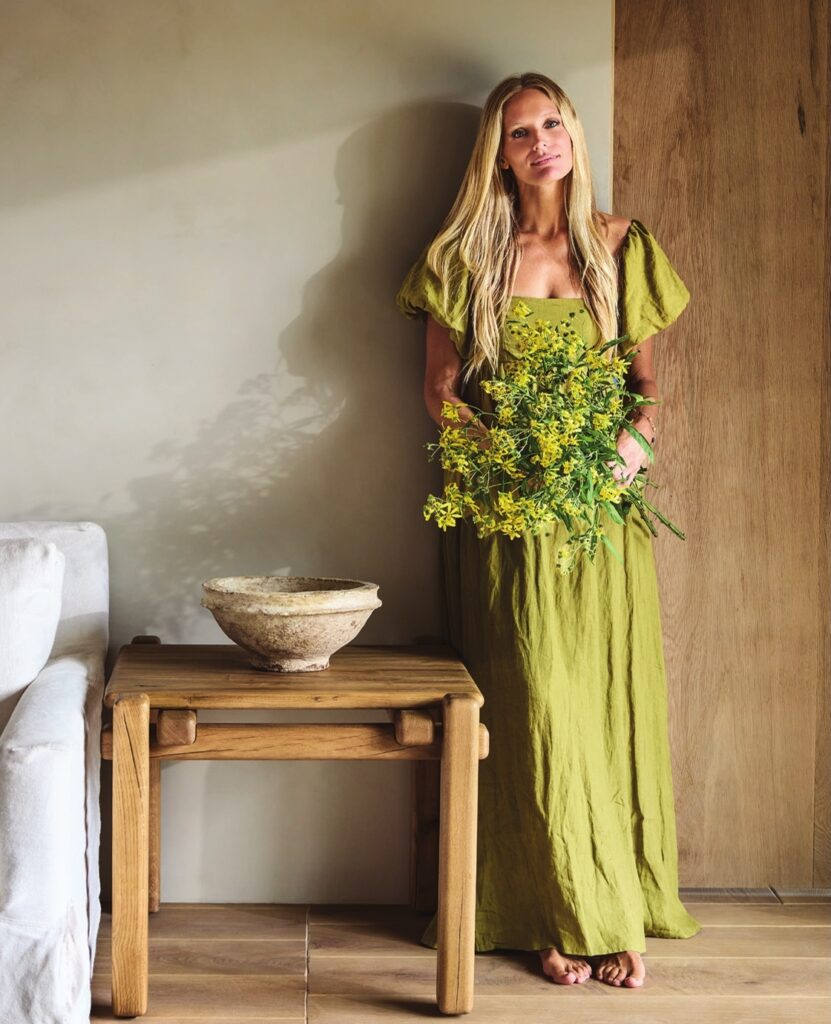
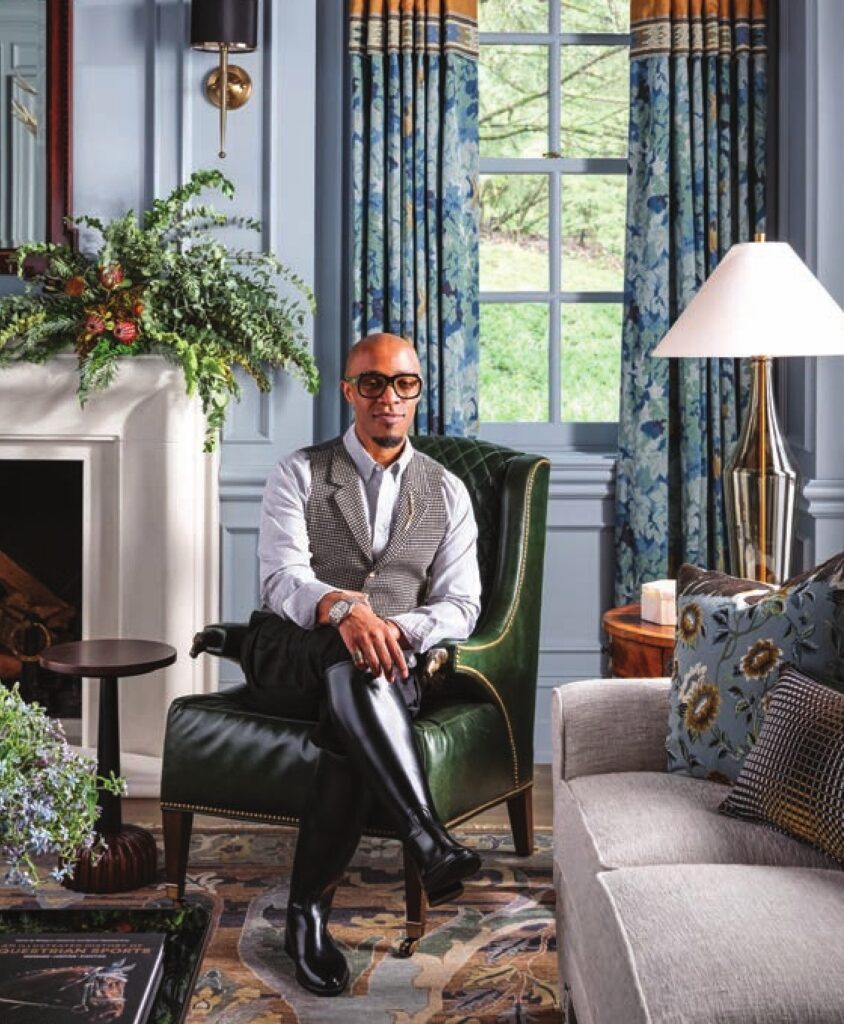
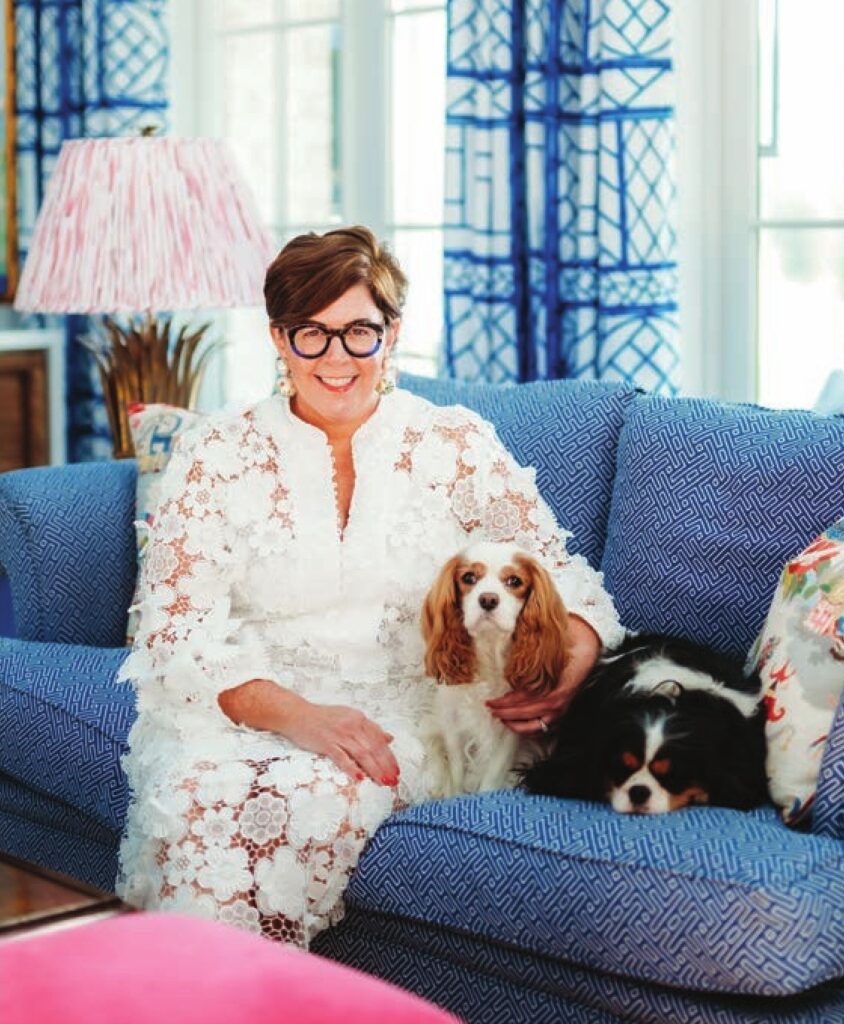
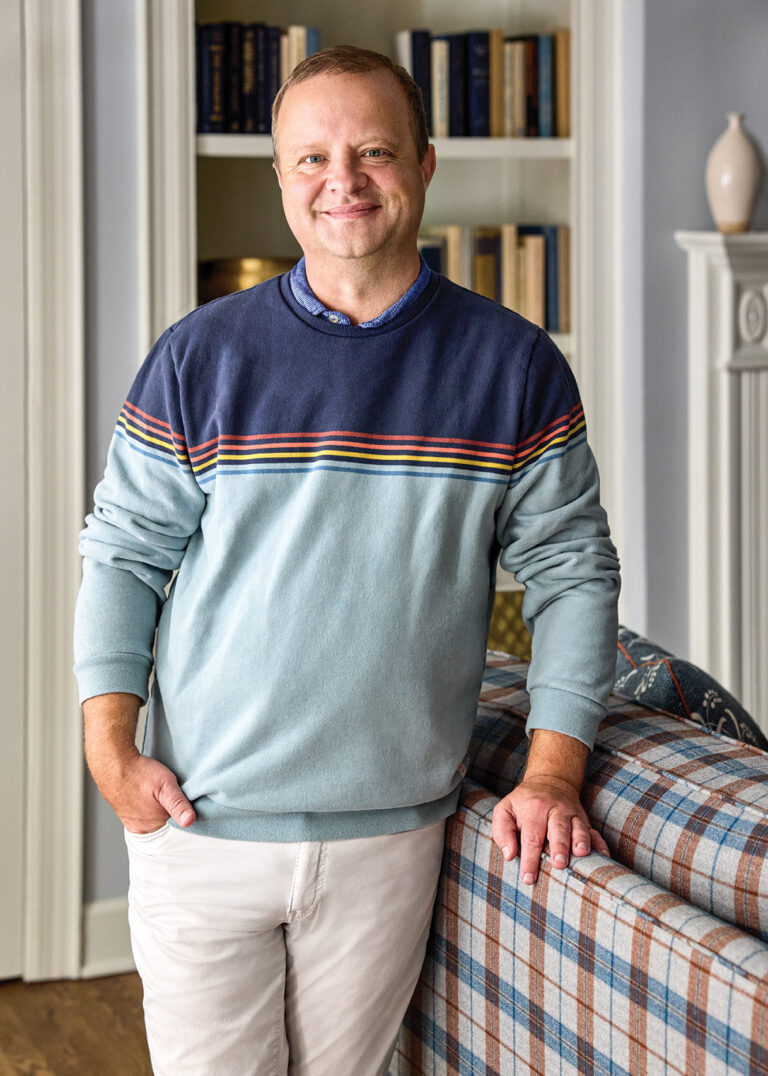
With an artistic eye, a practical hand, and a mostly neutral palette, this Atlanta-based designer creates interiors that live as beautifully as they look.

Southern Home (SH): Please share your path to becoming a designer.
Beth Webb (BW): It’s a completely accidental one. I studied art history in college and got my master’s from Sotheby’s Institute of Art in London. After working for galleries in New York and Atlanta, I moved back to my hometown of Chattanooga, Tennessee, with my now ex-husband and became an art consultant. Our house became my default gallery space. One night we hosted a dinner, and a friend since grade school came. He’d just purchased an 1892 house for his foundation. I asked him who’d be decorating it, and he said he’d like for it to be me. When I replied that I wasn’t a decorator, he told me he thought I could be. He suggested I put together a book of imagery, more or less a mood board, and come in and meet with the board. I got the job. It was carte blanche, no budget, and zero input. It was honestly the school of hard knocks. I didn’t know what I didn’t know, but I was fortunate to have a lot of people at places like ADAC (Atlanta Decorative Arts Center) willing to help, and here I am many, many houses and some 20-odd years later!

SH: How would you sum up your design philosophy?
BW: Whether I’m doing traditional, transitional, or contemporary, I strive to be timeless. I don’t want a room to say 2020 when 2021—or 2030—comes along. But beyond aesthetics, comfort informs every decision I make. If it’s not comfortable, no one wants to live in it.

SH: What makes a room timeless?
BW: It’s similar to creating a piece of art. I look at form, balance, and the relationship of objects, and I tend to think of them in triangles, as the eye travels across, up, and down. It’s the same with placement of color. I gravitate toward a monochromatic palette, although I’ll do strong color for people if they want it. However, we know when something’s trendy and when something can move forward, which is why I prefer neutral upholstery, particularly with large pieces. If you want a purple sofa, I’ll give you one, but I’m probably going to fight you on it. You’ll tire of it, and it’ll be more expensive to recover than to just change a purple pillow or throw on the back. It’s about how everything plays together.

SH: And how does comfort factor into your design choices?
BW: I’m a big believer in see it, touch it, feel it. I always encourage clients to put upholstery through what I call the “butt test,” because what works for me at 5’4″ may not for someone who’s 6’3″. Some people like to be slouchy; some people like to sit up straight. I can tell by their body language when a piece is not working. We get up and move on. Comfort is too important to settle.

SH: What else would you consider to be a signature decorating move?
BW: That extra layer or two is of profound importance. In a primary residence, I’ll curate the homeowner’s tchotchkes, but sometimes, particularly when decorating a second home, it’s very difficult to get people to finish. In the initial client interview, I’ll say at the end I’m going to go shopping either with you or without you, and when we’re loading up the truck, we’ll be bringing in the objects that will turn it from a house into a home. I’m a less-is-more kind of person, but you can’t stop short of having art, accessories, and books, at least not in my world. They’re the things that add patina and character.

SH: Let’s talk about how you incorporate art into your projects. Do you think about it decoratively now that you’ve been a designer for so long, or do you still approach it intellectually, given your background as a dealer and curator?
BW: It’s hard for me to separate those two parts of who I am. The adage that art shouldn’t match your sofa still rings true. If art is really good and powerful, in most cases, it works. Every house needs a story, and art plays a big part in that, which is why it’s such a wonderful thing to collect, particularly if you travel. You can be somewhere like Paris or Florence and find a watercolor or sketch on paper. It’s not only quite easy to put in your suitcase and bring it back, but it’s also the story you now have about where and when you found it.

SH: We’ve noticed that sometimes you hang, sometimes you prop pieces against one another, and you also use a lot of easels.
BW: It’s about balancing different heights and scale to keep the eye moving. I’m sort of a fanatic about easels. It started with a 19th-century iron one I found in Parma, Italy, that I’ve carried around with me forever. But I also like leaning and layering art on top of art. It humanizes it and makes it seem not so fine. I do that because I see life in vignettes—as much as the whole room is important, the moments within it are even more so.
SH: What are some of the most common mistakes you see with art?
BW: A lot of it is hung too high. Or there will be too big of a painting on too small a wall. Not giving things enough air, even around an image. I’ll often take a small photo and put it with an oversized mat because it draws your eye in. Flimsy mats are another pet peeve—I prefer 8- to 16-ply. Even your child’s art can be really something if it’s beautifully framed, and bad framing can kill anything.

SH: When you need inspiration, where do you find it?
BW: My son says if I have one more book on the living room coffee table, it’s going to break in half. I love my books, whether historical or recent monographs, and rotate them all the time. But travel inspires me the most. It’s always a shot in the arm.
SH: What’s a luxury you can’t live without?
BW: Well, time and quiet become more luxurious as we get older. But as far as material things, great bedding. Every time I come home, no matter what beautiful place I’ve been, there’s that wonderful thing about sleeping in my own bed. I’ve always loved cotton sheets but having just visited a couple of fabulous hotels where they were linen, I might be changing my mind. But I’ll never give up the Holland & Sherry blanket or good down pillows.