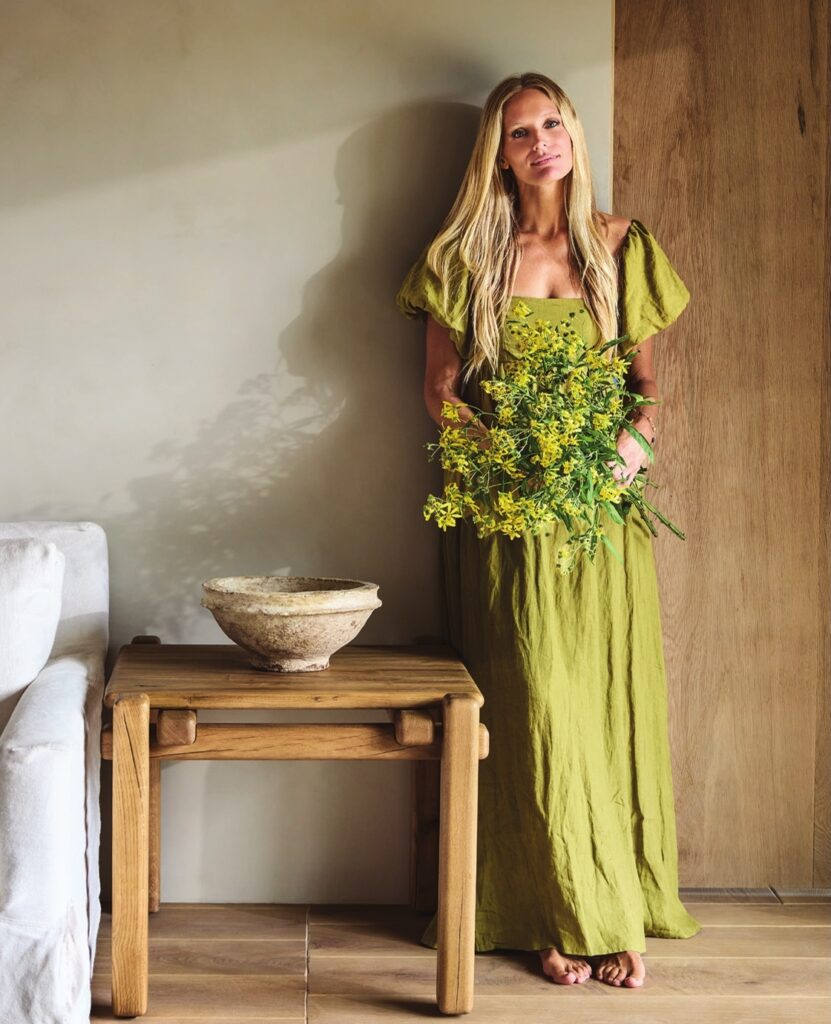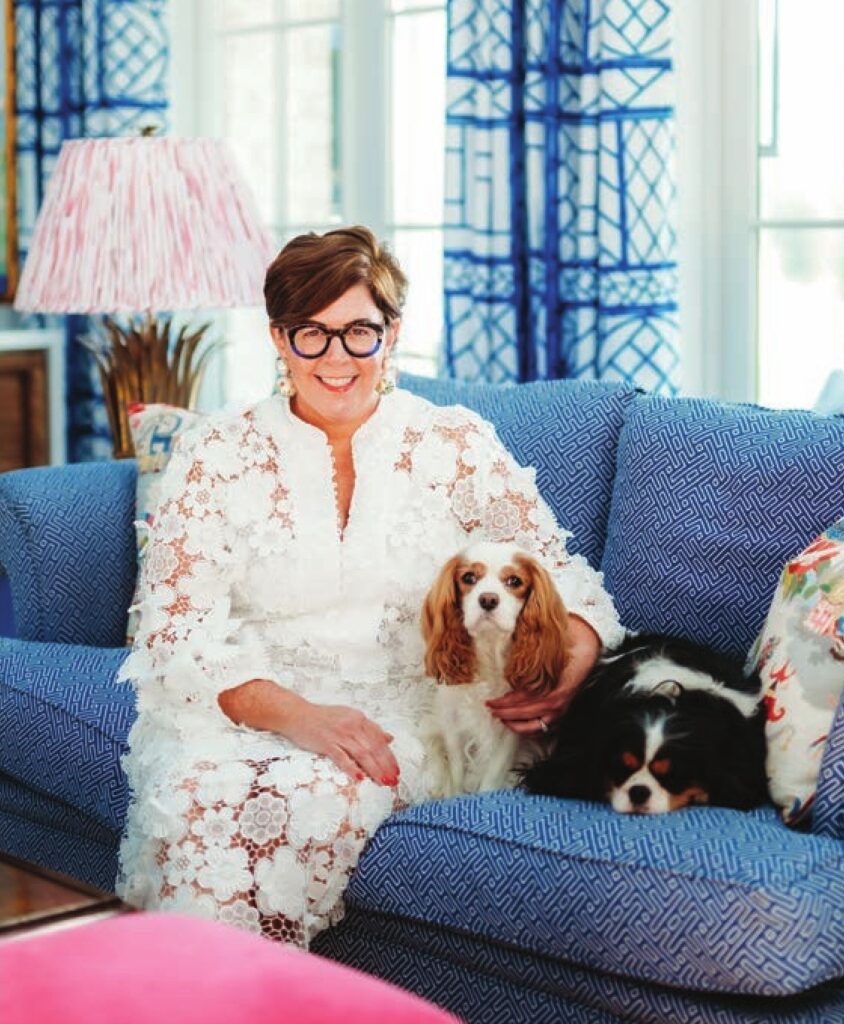

After enjoying a successful career in corporate sales, Leslie Sinclair followed her passion for architecture and interior design by launching Segreto Finishes, a premier finish design firm based in Houston, Texas.
Over the past 22 years, she has expanded her portfolio to include books, furniture, and countless design projects. We sat down with Leslie to chat about her work, her newest title, Segreto Vignettes, and her innovative SegretoStone plaster product.
SH: Tell us more about Segreto Finishes. What led you to the finishes niche?
Leslie Sinclair (LS): I launched Segreto Finishes in 1995. The company combines all my passions—architecture, interior design, art, people, and business—into my idea of the perfect job. Twenty-two years later, with a staff of 40 artisans, it has become a premier finish design firm.
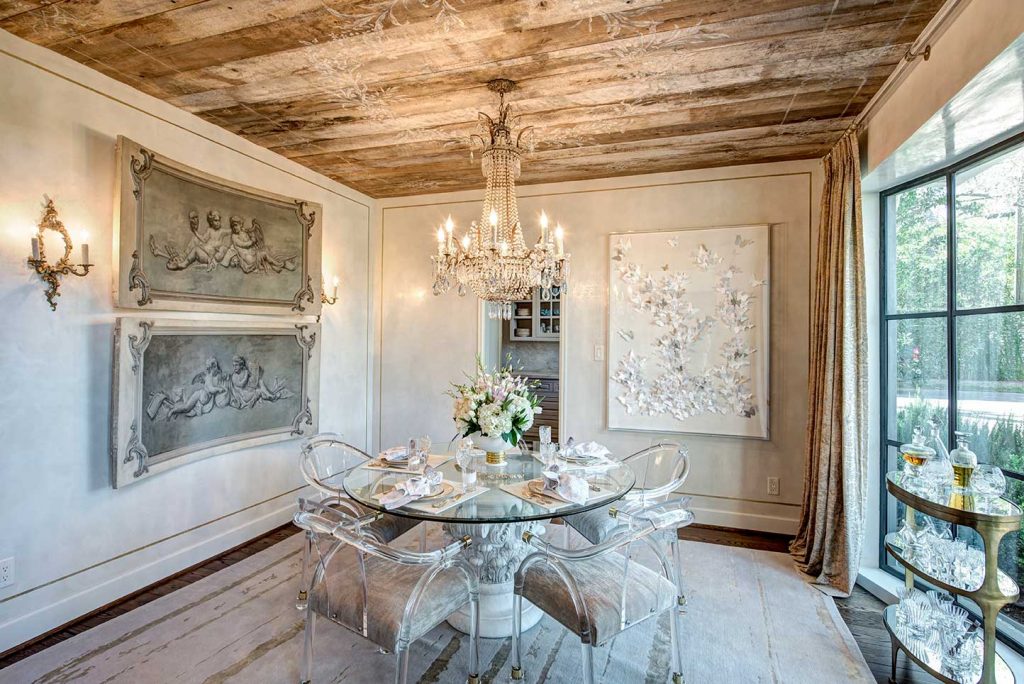
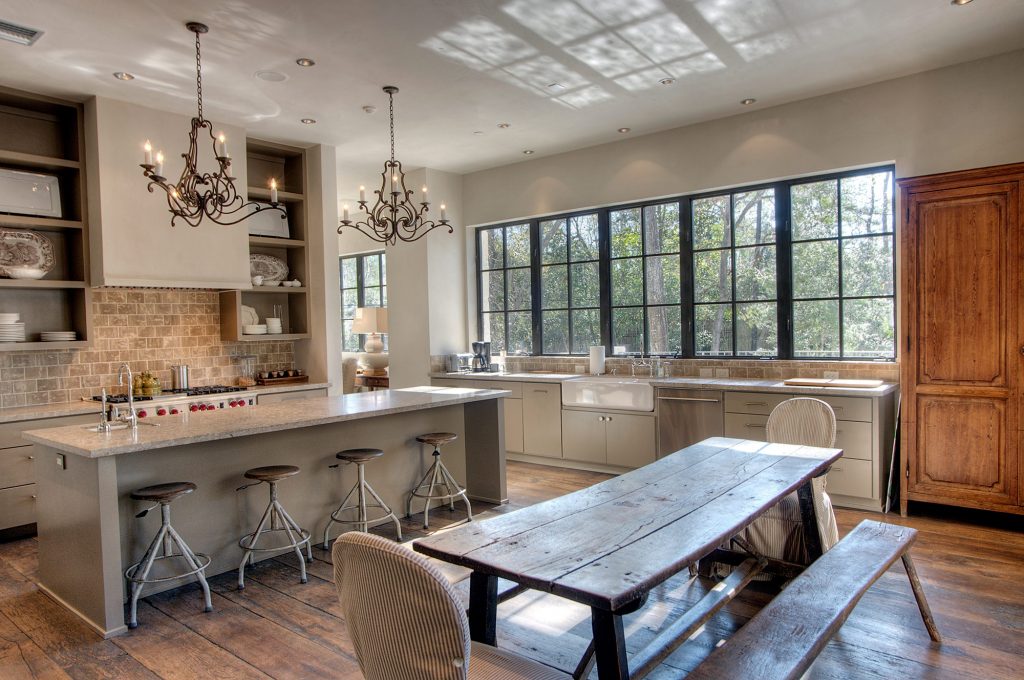
By mixing paints and plasters, conceiving new cabinetry finishes, and devising architecturally interesting ceiling designs, our company creates a flow inside each interior, enhancing the home’s architecture and the homeowner’s personal style.
SH: Tell us about your books
After clients asked to purchase my portfolio books for their ideas, I decided to self-publish a book. At 300 pages, Segreto: Secrets to Finishing Beautiful Interiors was quite a venture! (I went on to publish two more books: Segreto Style and the newly released Segreto Vignettes.)
This book isn’t just about finishes. It touts examples from the many wonderful designers, builders, architects, and tradespeople I have been honored to work with. I believe it takes an army to design a beautiful space, and it gives me great joy to recognize all the talent that contributes to the finished product.
SH: How has the finishings industry—and your company specifically—changed since 1995?
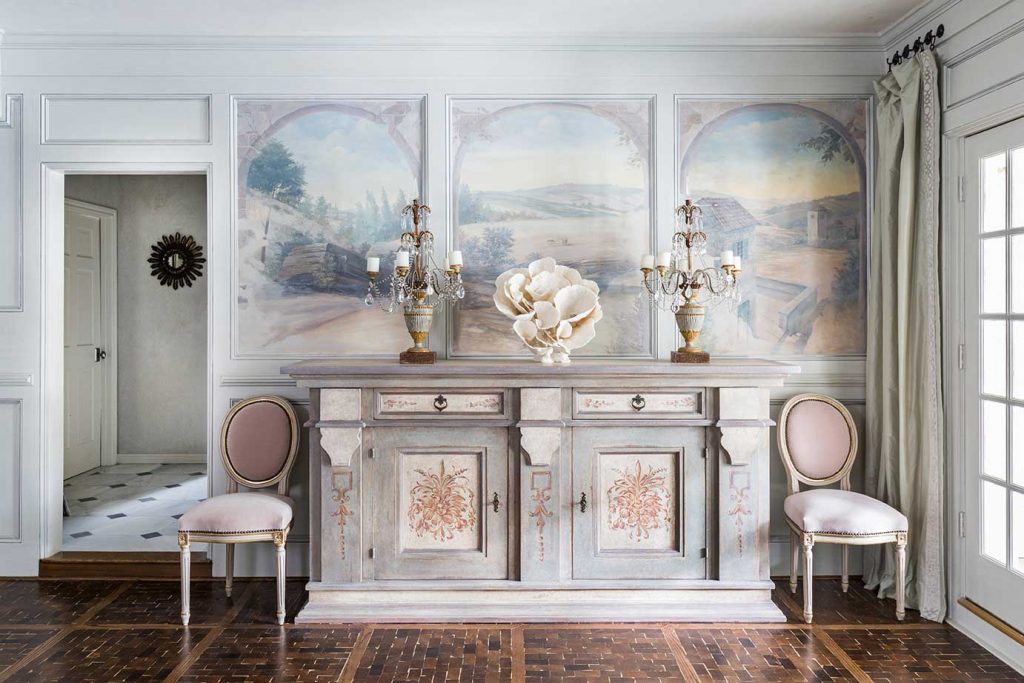
I feel that Segreto’ s techniques and “look” have totally changed the finishing industry. The world of decorative painting and plastering is limitless, ever-changing, and richly complex. Finishes for walls, ceilings, floors, and cabinetry are crucial to the embodiment of a home’s character.
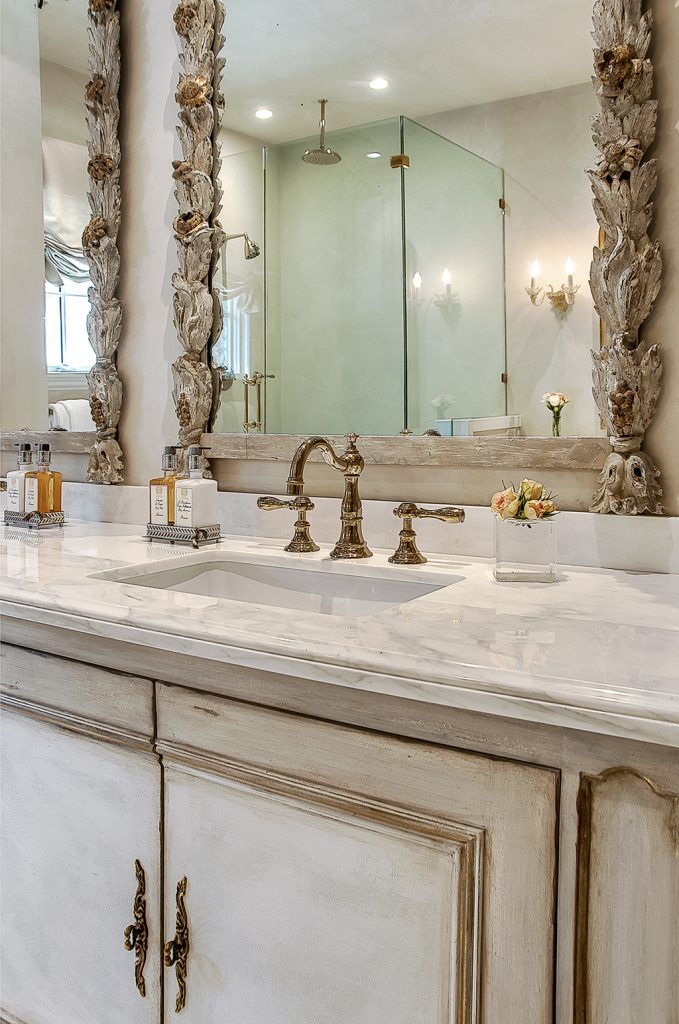
Recently, Segreto began a furniture line made from plaster. Our newest product, SegretoStone, is being installed in kitchens and baths as countertops and is being used for our new line of custom sinks. The product, made from plaster, is hand-poured and polished, giving a natural, breathable appearance. Its luster complements traditional, transitional, European, and contemporary aesthetics.
We also are plastering showers for a seamless look. We have been installing these for about six years. When I remodeled my bathroom three years ago, I used it and have loved the clean aesthetic it creates.
SH: How did you come up with the name?
Segreto is named after my husband’s family. His father changed the name to Sinclair when my husband was young. Because it means “secret” in Italian, I felt it was perfect for my new creative endeavor.
SH: Where do you find inspiration for your work?
I find inspiration from every person I meet and every home I see. I catch myself relishing nature and seeing how light reflects on all the beautiful things that God has created. I love the tiles, fabrics, and surfaces of today. Because they are ever changing, they challenge me to constantly come up with new ideas.
SH: What were the early instances in which you found yourself engaged by great design?
I have always loved design and painting. As a child, when most girls played with dolls, I built homes for them. I painted the walls and built and finished furnishings. From cardboard boxes to old wooden spools of thread, to stick and mortar homes, they all became little mansions in my eyes.
SH: Did you have an inspirational teacher?
Years ago I was awarded a contract for faux finishing a substantial home. They wanted the home to appear as if two old Tuscan farmhouses were joined together.
The cabinetry and furnishings were more contemporary in style, but they wanted the shell or structure to be more authentic to the era.
I didn’t feel that a faux finish would accomplish this. I had a vision of what a natural plaster could bring to a home: subtlety, warmth, and refinement. I soon met an old school plasterer. He was one of the few left in Houston whose team installed the conventional lathe and plaster method, used centuries before. This is what the home needed!
At retirement age, he graciously shared his knowledge and was fascinated by my take on pigmenting the product and applying it directly over sheetrock, creating a finish which did not need to be painted over.
It was through this collaboration that Segreto really took off and the trend of bringing old school plaster back in a current, affordable way was started. I call him “my little angel.” He is someone that I am forever grateful for.
SH: What would you say are the aesthetic common threads that communicate your brand to clients and customers?
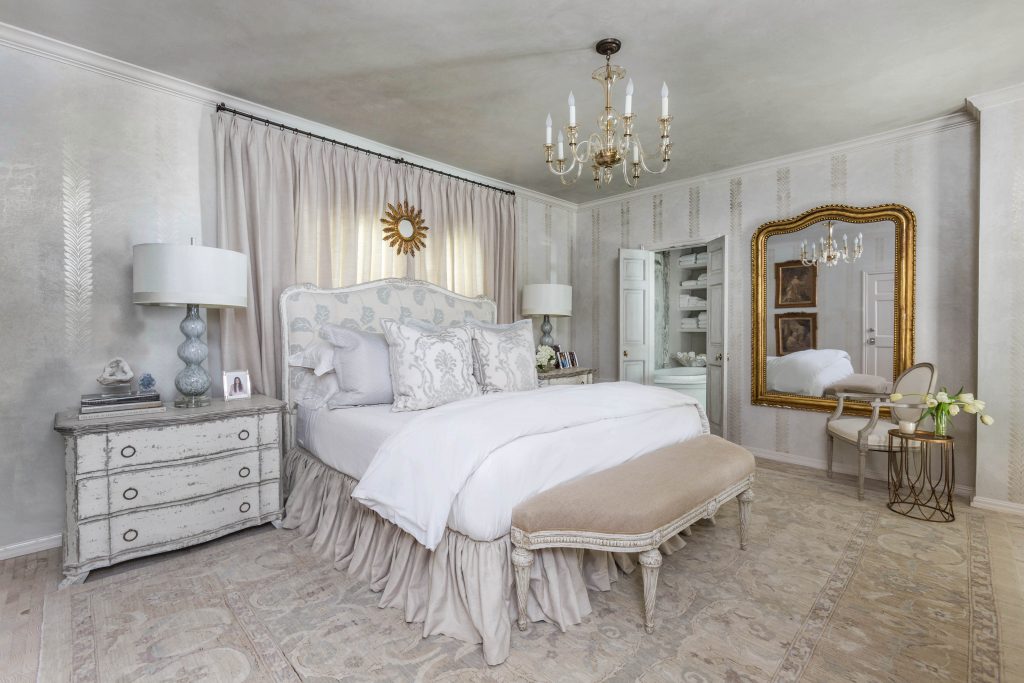
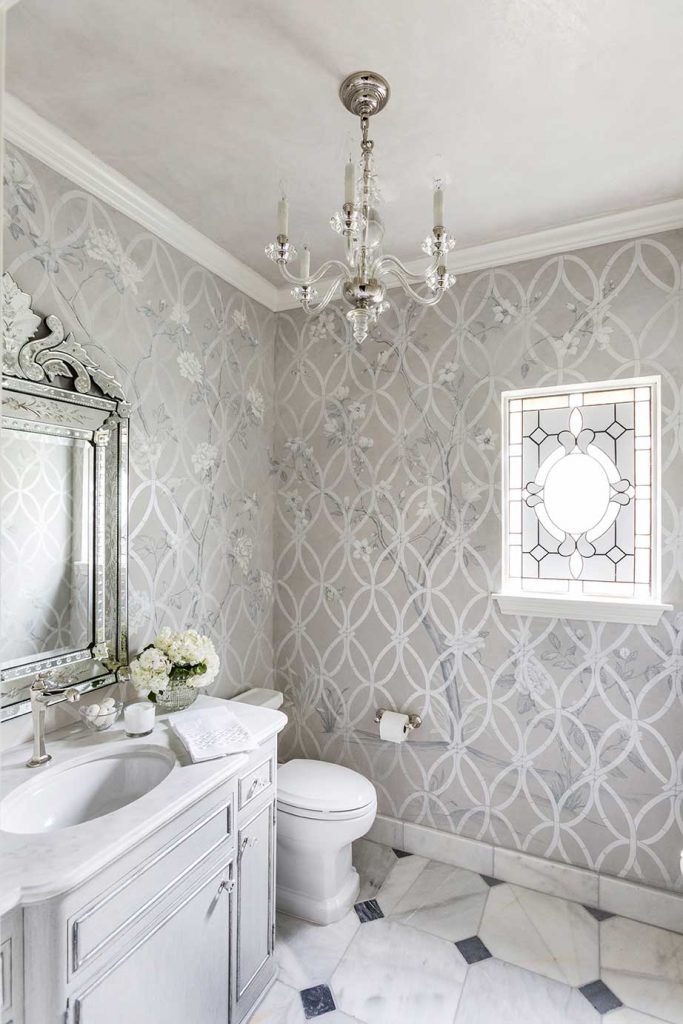
I always err on the side of subtlety. My philosophy is that when you enter a room, your eyes should not be drawn to any one element or finish, but instead, you should view the surroundings as a whole.
I aspire to create the perfect backdrop that enables fabrics, art, and furniture to blend and establish a particular mood. A palette developed to complement your home’s architecture and design can give your surroundings a completely new perspective.
SH: What has remained evergreen in your creative approach, and what continues to evolve?
I would say listening to my clients and providing them with the utmost in customer service. I feel there are many right ways to finish an interior, and a key factor in the decision-making process should be creating timeless, tasteful schematics which suit each client’s personal style and preferences—not simply the trend of the day.
I am truly grateful for the trust clients give me. They deserve a wonderful experience during the process. Customer service and developing a true relationship with each client is one of my favorite parts of the job. Life is too short not to have fun along the way!
SH: What type of artisan staff member do you like to bring on, and how do you keep your company true to its vision?
Teamwork is a critical part of our success. Although we do hire some expert artisans who bring new ideas and vision, the majority of our hires are chosen for their work ethic, great attitude, and good heart. I believe in encouraging the uniqueness of each individual artist and still insist on hiring people that I would enjoy a meal with and feel comfortable leaving my children around.
SH: What are some of the most exciting projects/endeavors on your plate?
Honestly, I love each and every project M.O. from a powder bath cabinet to a nursery to touching every surface in a home. M.O. When a homeowner truly feels more comfortable in their space, it gives me great joy.
We are working on a project where I have been able to offer input in completely updating a home, from the architecture to the space planning to all the finishes. The change has been remarkable. Allowing me total artistic freedom, we have installed plaster countertops; slurried interior and exterior brick; stripped, bleached, and limed existing doors; and plastered the walls and ceilings.
It has taken a home built in the ’80s to a current, French-Belgium aesthetic. M.O. Little nooks and crannies of wasted space have become functional. M.O. In a world of tearing down and building fresh, it has not only been fun but a testament to what can be done with existing structures.
SH: What comes first, the materials or the design idea?
For certain projects, like refinishing beams or doors, the design idea can come first. For the majority of the finishes, I like to see the existing or chosen surfaces.
Paint or plaster can be tinted any color, but hard surfaces like tiles, floors, or counters and soft surfaces like fabrics and rugs are limited to what is available.
Choosing these surfaces first allows me to design to any color palette, complementing them, and weaving the finishes into the perfect connecting thread.
SH: Do you work in a sustainable way? Explain.
Many of our products are totally “green,” and we are well versed on green alternatives for all our finishes. The plaster and lime-wash materials we use for both interior and exterior applications are all-natural, lime-based products which can be tinted with “from-the-earth” pigments.
An array of low VOC paints and stains are available now that can be used for base coats and glaze applications. The crusty old finishes we apply many times are made from cottage cheese and beer!
SH: What part of the process excites you most?
I love initial walk-throughs for a new project. Seeing the home for the first time and understanding how the client lives and how they want their home to feel is one of my favorite parts.
I enjoy coming up with new techniques that are perfect for a space: Giving my client something no one else has! Collaborating with my artisans and seeing them develop something new.
SH: What do you regard as your greatest success in your career to date?
Creating new finishes, writing articles, publishing books, writing a blog, and curating an art gallery and boutique are all inspiring challenges I am grateful to have had the opportunity to accept.
I feel that developing people and providing an opportunity for them to excel and provide for their families is my greatest success. Managing people is a challenge for me, no doubt, and an humbling experience for sure.
SH: Of all of the projects you’ve finished, which is your favorite and why?
That’s a tough one. When we finish a job, I always say, “I love that! Where can I put that in my home?” My staff always jokes, “Leslie, you have no surfaces left!”
What I like about finishes is that they not only transform a space but they also act as problem solvers. When going over new plans or walking through an existing home, I look at the architecture, floor plans, ceiling heights, molding details, and cabinetry.
Finishes can accentuate good architecture and downplay areas that are less desirable. They can detract from color tones that are not the homeowners’ favorite, and add detail to the right elements.
If I had to choose, recently I met with a client who is considering a major remodel. One thing she doesn’t like about her home is that her exterior stone has a lot of variation in tones.
She had received bids to replace the stone. Instead we applied a thin lime wash over the stone, tonally changing its appearance while allowing it to still look like natural stone—something that paint cannot accomplish. It was completed for a fraction of the cost of replacement.
I am so fortunate to be in so many beautiful homes, and lucky to say that I have new favorites each week!